This article was first published on TurkishNY Radio.
A rare and politically charged investigation is now hanging over the most important chair in global finance, and crypto markets are reading it the same way they read every twist in central bank power: through the lens of rates, liquidity, and confidence.

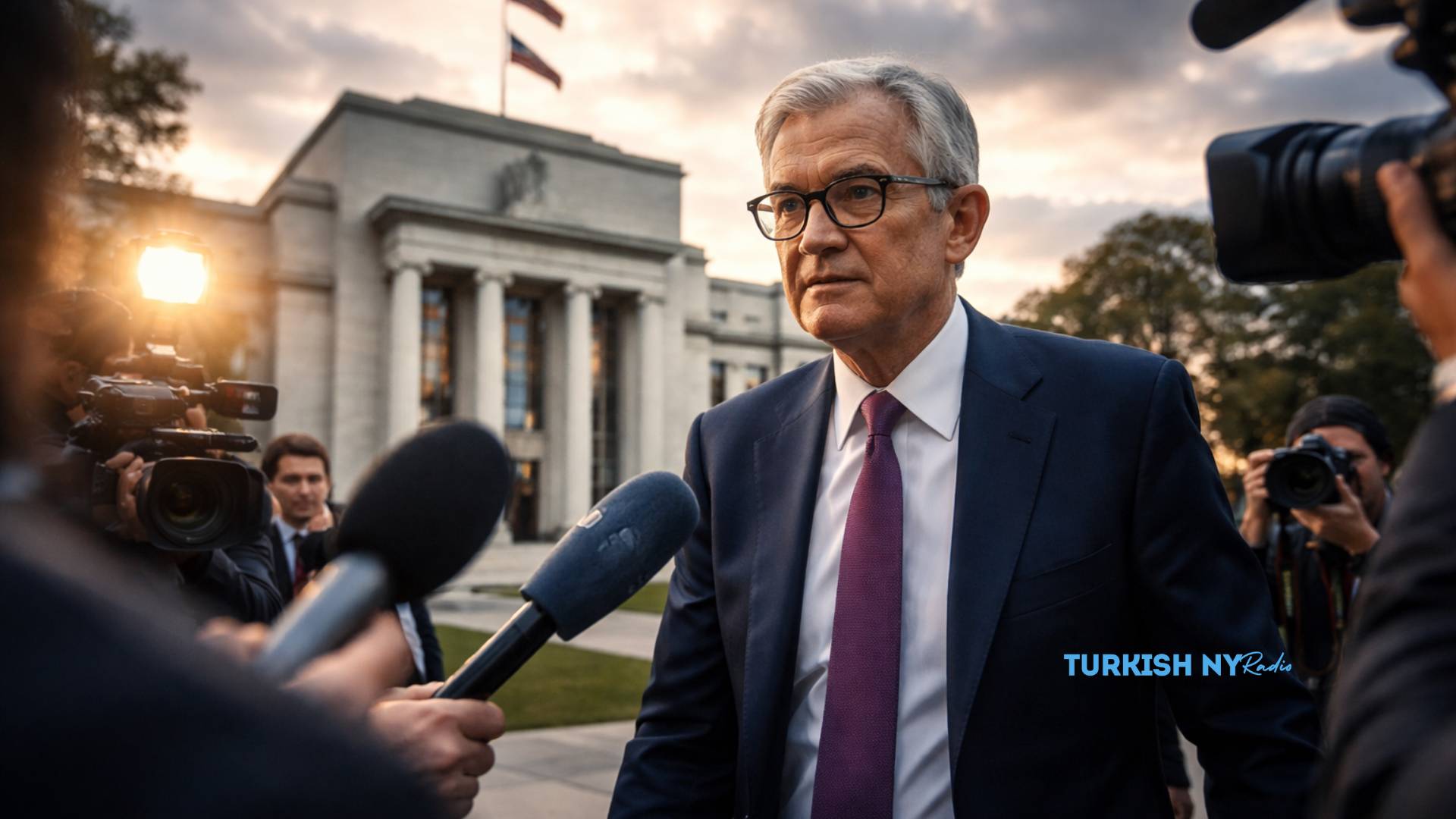
Federal prosecutors have opened a criminal investigation into Federal Reserve Chair Jerome Powell tied to his congressional testimony about cost overruns at the central bank’s Washington headquarters renovation, a project that has climbed toward roughly $2.5B to $2.6B depending on the accounting and timing.
Powell has framed the probe as something much bigger than building expenses. In a statement confirming grand jury subpoenas, Powell said the administration had “threatened” a criminal indictment and cast the episode as pressure aimed at the Fed’s interest-rate decisions.
The political pressure is now out in the open
Senior officials around the White House have defended the Justice Department’s move, while also insisting the process should be allowed to run. White House economic adviser Kevin Hassett, asked about the matter in a televised interview, said he supported scrutiny and added that if he were in Powell’s position, he would “welcome” an investigation into a project of that size.

House Speaker Mike Johnson also weighed in, signaling he would let the investigation “play out” rather than intervene, which reinforces the sense that the story has moved from background noise to a live political track.
At the same time, influential voices in markets have warned that the threat itself can become the problem. Goldman Sachs chief economist Jan Hatzius said the situation raised concerns about independence, even while arguing Fed decisions should remain data-driven.
The crypto indicators traders are watching right now
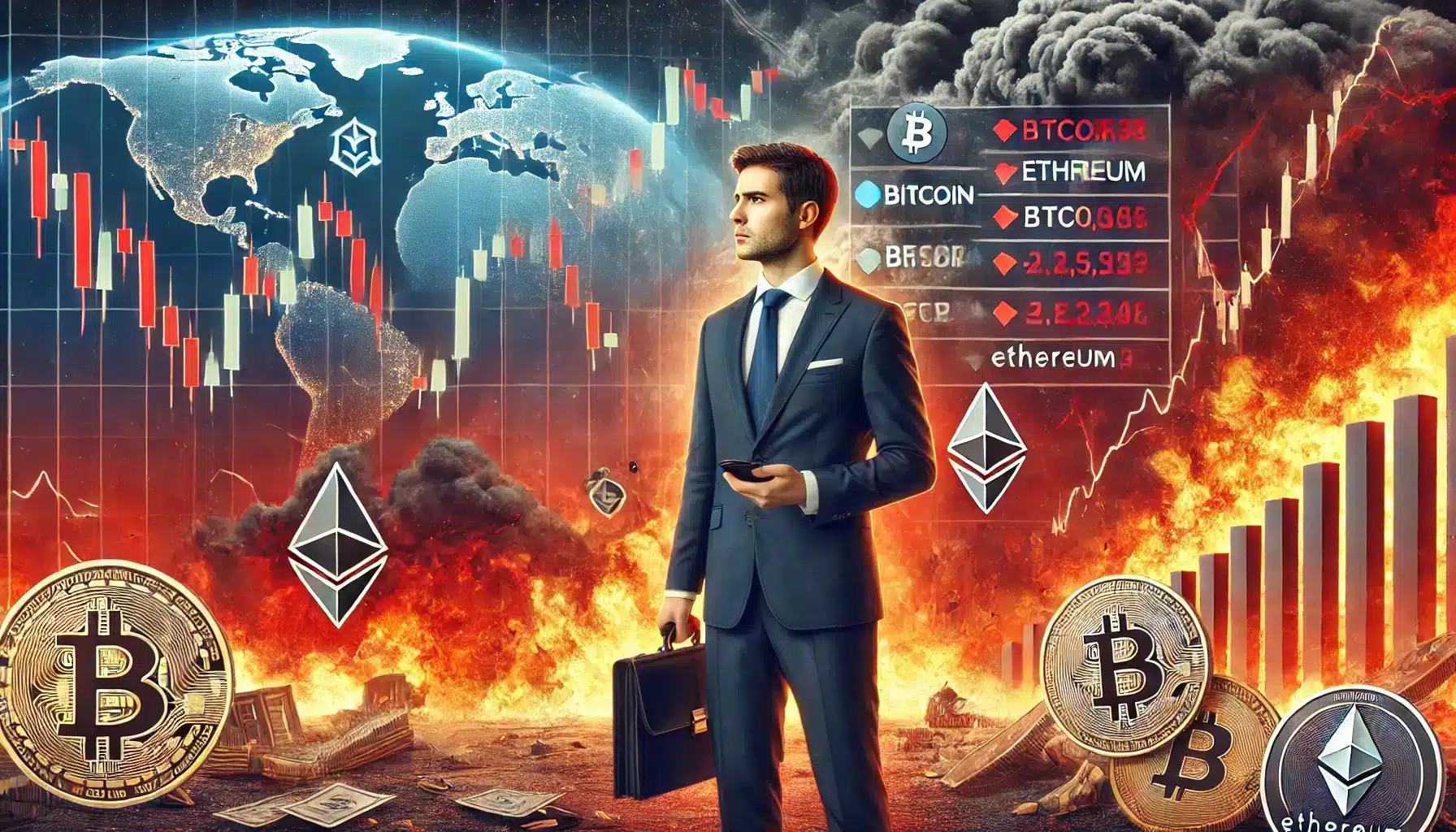
For Bitcoin and high-beta altcoins, the cleanest way to track this story is to watch the same dashboard that reacts to every Fed surprise.
Rate expectations remain the first lever, often expressed through forward guidance, futures pricing, and the odds implied by interest-rate markets. When those odds shift, Treasury yields and the U.S. dollar typically move next, and crypto often follows with a lag that can feel like a rubber band snap.
Liquidity matters just as much as the headline. Traders tend to watch stablecoin supply trends, spot ETF flow patterns, and derivatives positioning such as funding rates, open interest, and options implied volatility, because those indicators show whether risk is being added or hedged. When implied volatility rises while spot drifts, it often signals traders are bracing for sudden moves rather than placing calm directional bets.
What happens next, and how fast it could hit markets
The near-term path is procedural, not cinematic. Investigators may seek more documents and testimony, lawmakers may escalate public criticism or mount a defense of the institution, and the Fed itself will try to keep policy communication tight to avoid feeding the narrative.
The risk for markets is that each incremental development becomes a proxy referendum on whether the Fed can set rates without political consequences. That perception, more than any single legal filing, is what can widen trading ranges across crypto.
Conclusion
The Powell investigation is still in its early phase, and the legal endgame is unknown. But crypto rarely waits for a verdict. It prices the direction of power and the credibility of institutions, then it moves on expectations. As long as the story keeps raising doubts about Fed independence, traders will keep watching rates, the dollar, and liquidity signals as closely as they watch the charts.
Frequently Asked Questions
Is Jerome Powell being charged with a crime?
No. Reporting describes an investigation tied to congressional testimony and renovation costs, not a concluded case.
Why does crypto care about a Fed-related investigation?
Because anything that alters confidence in rate-setting independence can shift rate expectations, liquidity, and risk appetite, which are major drivers of crypto volatility.


What is the main market signal to watch first?
Shifts in 2026 rate-cut expectations, because they typically lead moves in the dollar and yields, then spill into crypto.
Glossary of Key Terms
Fed independence: The idea that the central bank can set policy without political interference.
Rate expectations: What markets believe the Fed will do next with interest rates, often reflected in futures pricing.
Liquidity: How much readily available capital is moving through markets, often tracked in stablecoin supply, credit conditions, and derivatives positioning.
Implied volatility: The market’s priced expectation of future price swings, commonly derived from options markets.
References