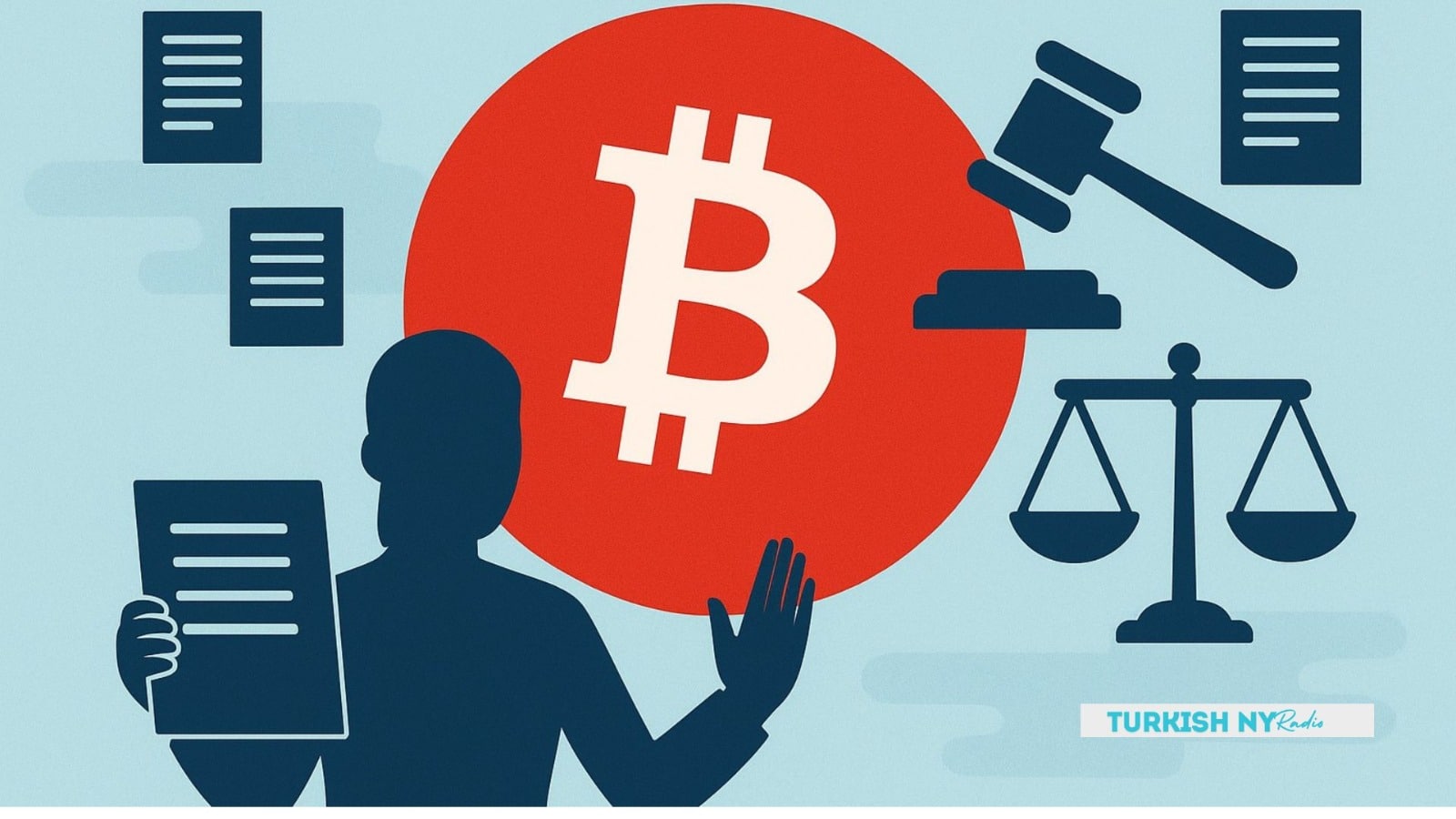
The hype around digital assets has often celebrated freedom and innovation above all. But for many investors, the lack of regulation has meant opportunity for abuse. That’s changing in Japan.
With growing concern over dishonest profit-making, Tokyo’s financial watchdogs are pushing to ban crypto insider trading.


This isn’t just about closing loopholes it’s about building trust, strengthening markets, and making crypto safer for everyone.
Why Japan Is Targeting Crypto Insider Trading
Japan has long been a pioneer in crypto regulation, but crypto insider trading has largely existed in legal limbo. Under the current framework, primarily the Payment Services Act, many cryptocurrencies aren’t treated as financial instruments.
That means the rules that prohibit trading securities using undisclosed or privileged information haven’t formally applied to crypto.
Now, with investor numbers rising fast and market volatility becoming more visible, regulators see that loose framework as risky.
Japan’s Financial Services Agency (FSA) and the Securities and Exchange Surveillance Commission (SESC) want to bring crypto insider trading under the same oversight as stocks and bonds.
The goal? Make it illegal to trade digital assets using non-public information.
How the New Rules Could Work: Enforcement and Penalties
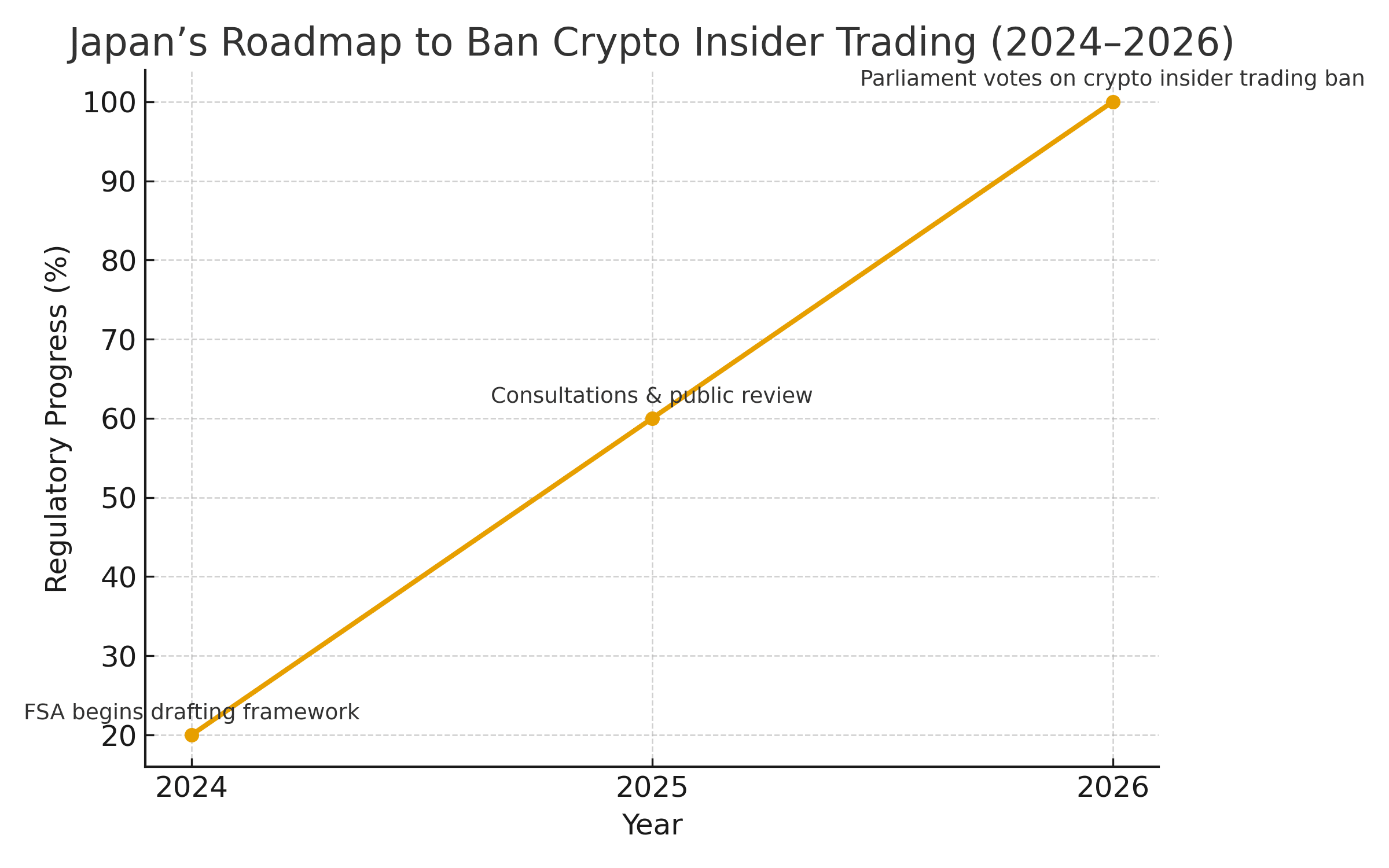
Under the proposed reforms, Japan aims to ban “crypto insider trading by 2026 via amendments to the Financial Instruments and Exchange Act (FIEA). Key changes include:
-
Giving the SESC authority to investigate suspicious crypto trades, impose surcharges based on illicit gains, and refer serious violations to prosecutors.
-
Making crypto insider trading explicitly illegal under law i.e. banning trades made on internal, undisclosed, or privileged information.
-
Clearer definitions of who counts as an “insider” in crypto: perhaps developers, exchange insiders, people aware of upcoming announcements, or security flaws before they are public. Tokens without centralized issuers make this tricky, but the bill is expected to address those gaps.
For Exchanges and Crypto Projects
Rules will likely require better internal controls, stricter compliance, perhaps even registration under FIEA.
Those failing to comply or enabling crypto insider trading (even unintentionally) could face fines or criminal exposure.
Projects with less centralized or loosely governed token models may need to reassess whether they are compliant.
For Japan’s Market Reputation
Japan’s credibility in the global crypto ecosystem could strengthen. By banning crypto insider trading, Japan sends a message:
digital asset markets won’t be wild frontiers they’ll be regulated, fair, and trustworthy. That could attract more institutional investment.
Challenges and Pushbacks Ahead
Defining what exactly constitutes crypto insider trading is harder than it sounds. Many cryptocurrencies don’t have a central issuer.
Sometimes it’s unclear who has “inside” information, or whether certain announcements qualify. Enforcement will need careful balancing not to stifle innovation, but to guard integrity.
Also, smaller players may worry about costs: legal fees, compliance work, setting up monitoring systems. There’s a risk that over-regulation could discourage new projects or make compliance a barrier to entry.
Voices From Japan & Community Reaction
Some market watchers are already applauding the shift. In one tweet:
“Japan crypto insider trading rules are set to expand regulator powers so the Securities and Exchange Surveillance Commission can investigate and penalize crypto insider trading …
Across online crypto communities, many voices express relief: finally, a move toward fairness. Others wonder how quickly enforcement will follow, and whether crypto insider trading bans will really stick if oversight is lax.
Global Context: Why This Could Be a Turning Point
Japan isn’t alone. Countries around the world are ramping up oversight of digital assets. The EU, South Korea, and others are tightening rules.
Japan’s move to ban crypto insider trading might influence standards in Asia and beyond. If major markets adopt similar rules, crypto insider trading could become not just illegal in theory but risky everywhere.


Conclusion
Japan’s plan to ban crypto insider trading marks a bold step toward stronger, more trustworthy crypto markets.
While challenges remain in defining insiders, enforcing laws, and balancing innovation, the shift is clear. As crypto insider trading becomes illegal under proposed reforms, the industry will need to adapt.
Investors, developers, and exchanges alike should prepare for a future where transparency and fairness are law, not aspiration. That future might arrive sooner than many think.
For more news, visit our platform.
FAQs about crypto insider trading
Q1: What exactly is crypto insider trading?
It means trading cryptocurrencies based on material, non-public information, like knowledge of upcoming token listings, protocol flaws, or other privileged data not yet disclosed to the public.
Q2: When will the ban on crypto insider trading take effect?
Japan aims for 2026. The Financial Services Agency will propose amendments to FIEA, after drafting rules via a working group by the end of 2025.
Q3: Who will enforce these rules?
The Securities and Exchange Surveillance Commission (SESC) will get investigation authority. The Financial Services Agency (FSA) will oversee the regulatory changes. Serious violations could lead to criminal prosecution.
Q4: Could this ban on crypto insider trading hurt innovation?
There’s risk: stricter rules may impose compliance burdens, especially for smaller players. But many believe transparency and trust are long-term wins for innovation.
Glossary of Key Terms
-
Crypto insider trading: Buying or selling cryptocurrencies using information that’s not publicly known and gives unfair advantage.
-
Financial Instruments and Exchange Act (FIEA): Japan’s law governing securities and financial products. Proposed amendments will bring crypto under this act.
-
Financial Services Agency (FSA): Japan’s main financial regulator, leading the reform process.
-
Securities and Exchange Surveillance Commission (SESC): Regulatory body that will get more power to investigate crypto trades under the rules against crypto insider trading.
-
Insider: A person with access to non-public, material info; could be an exchange employee, project developer, or someone close to insider events.