![Sun [New]](https://s2.coinmarketcap.com/static/img/coins/64x64/10529.png)


![BitTorrent [New]](https://s2.coinmarketcap.com/static/img/coins/64x64/16086.png)

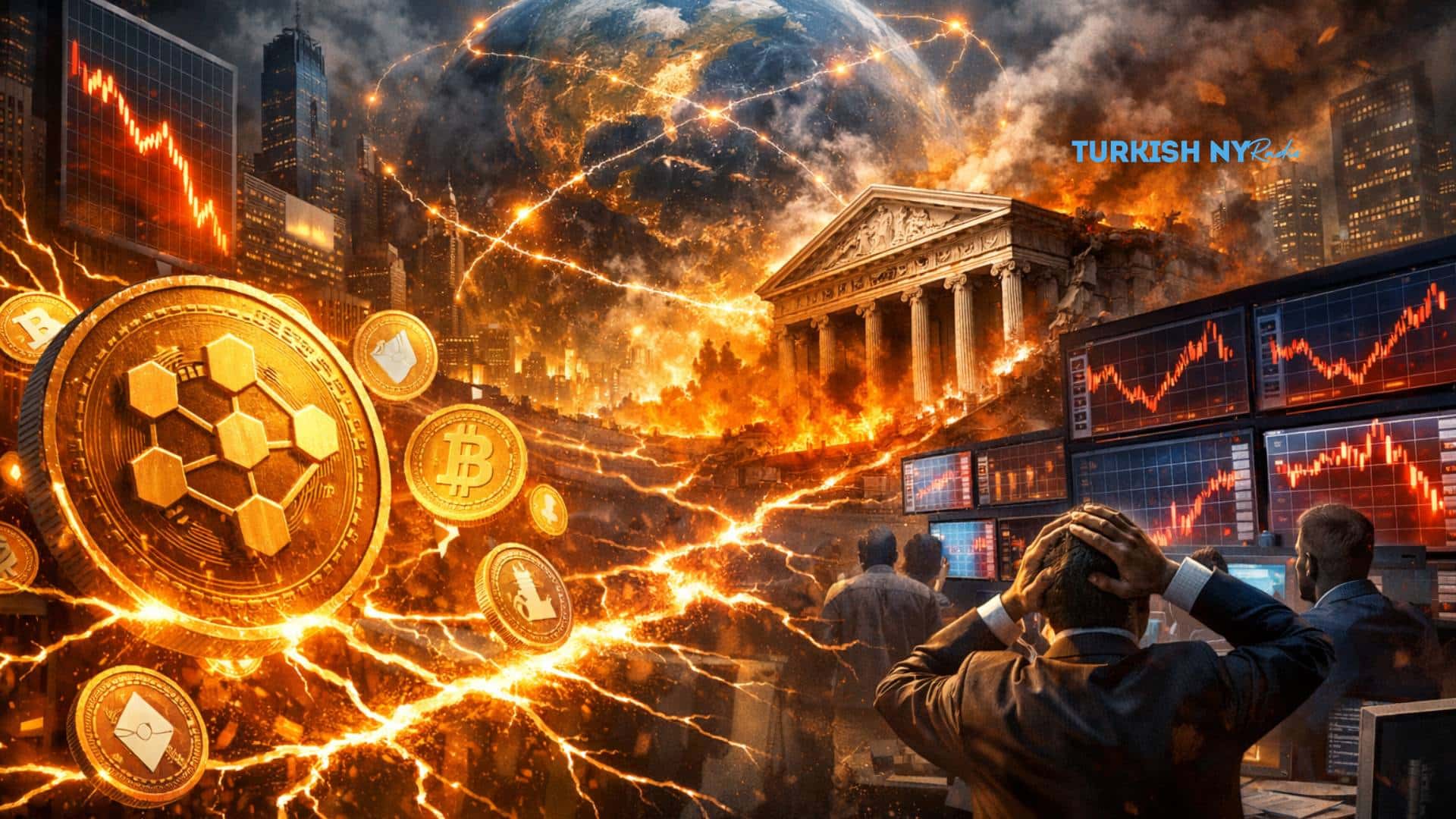
For all the optimism around blockchain-based markets, the IMF is asking a sharper question: what happens when a faster financial system breaks at full speed? That is the real story behind its latest assessment of tokenization. The Fund acknowledges that tokenized markets can improve execution, automate settlement, and remove layers of operational drag.
Still, it also warns that speed and programmability can become liabilities when liquidity thins out or trading behavior turns one-sided. This is not an anti-innovation argument. It is a reminder that efficiency and resilience are not the same thing, especially in tokenized finance.

The Hidden Cost of Faster Markets
The case for tokenization is easy to understand, shared ledgers can reduce delays, cut manual reconciliation, and support quicker delivery versus payment. But the IMF makes a more uncomfortable point. When markets become more automated and more tightly linked, problems can move faster too.
The system may feel smoother in normal conditions, yet more brittle under stress. That is why tokenized finance is being watched not only as a growth area, but also as a possible source of faster market contagion.
Why Tokenized Finance Risks Need More Attention
In traditional markets, frictions sometimes act like speed bumps. They are annoying, but they can slow chain reactions. In tokenized finance, some of those speed bumps disappear. Immediate execution, automated triggers, and shared infrastructure may compress the time available for intervention when trades begin to unwind. That is one reason the IMF says tokenized finance risks deserve close regulatory attention even while adoption expands.
Another issue is fragmentation as the IMF warns that if assets and users are scattered across noninteroperable ledgers, markets can lose liquidity rather than gain it. That is a serious point because tokenized finance risks do not only come from too much connectivity. They can also come from too little coordination. A fragmented market can look modern and still function like a patchwork of isolated pools.
Institutions Are Moving In Anyway
Even with those warnings, adoption is advancing as a major exchange operator said in January 2026 that it was building a tokenized securities platform designed for 24/7 trading, fractional access, and immediate settlement. A major asset manager had already launched a tokenized fund in 2024, and public remarks later described it as the largest tokenized cash money market fund.
At the same time, market data shows tokenized real-world assets at roughly $27.68 billion in distributed value in early April 2026. That momentum explains why tokenized finance risks are no longer a niche policy discussion.
Legal Clarity Still Matters
There is also the legal side, and it matters more than many traders admit. The IMF notes that trust in these systems still depends on credible operators, supervision, and legal recourse.
It also says regulatory and legal rulings are harder to enforce in decentralized environments, especially when fraudulent or illicit transactions need to be reversed. In plain English, code may execute a transaction, but law still decides whether markets can scale safely. That is where tokenized finance risks become a policy issue, not just a product issue.
Conclusion
The IMF message is balanced, but not soft as tokenization can improve financial markets, yet it can also make breakdowns faster, more technical, and harder to contain. That means the next stage of market development will not be won by the platform with the slickest interface.
It will be won by the system that proves it can combine speed with liquidity, automation with legal certainty, and innovation with actual resilience. That is the real test behind tokenized finance risks.
Frequently Asked Questions
What are tokenized finance risks?
They are the financial, legal, operational, and liquidity risks created or amplified by tokenized markets.
Why could tokenized markets spread stress faster?
Because automation, shared ledgers, and faster execution can compress reaction time when markets come under pressure.
Is the IMF against tokenization?
No. It recognizes efficiency gains, but warns that safeguards must keep pace with growth.
Glossary of Key Terms
Programmability
The ability to embed rules and automatic actions into digital financial transactions.
Liquidity
How easily an asset can be traded without causing a major price change.


Counterparty Risk
The risk that one side in a transaction fails to meet its obligation.
Sources
Disclaimer
This article is for informational purposes only and does not provide investment, legal, or financial advice.