![BitTorrent [New]](https://s2.coinmarketcap.com/static/img/coins/64x64/16086.png)


This article was first published on TurkishNY Radio.
In 2025, crypto traders stopped watching only charts and started watching Washington. Each White House speech, executive order, or tariff threat began sending waves through digital asset markets. The link between politics and crypto, once distant, became direct and measurable.


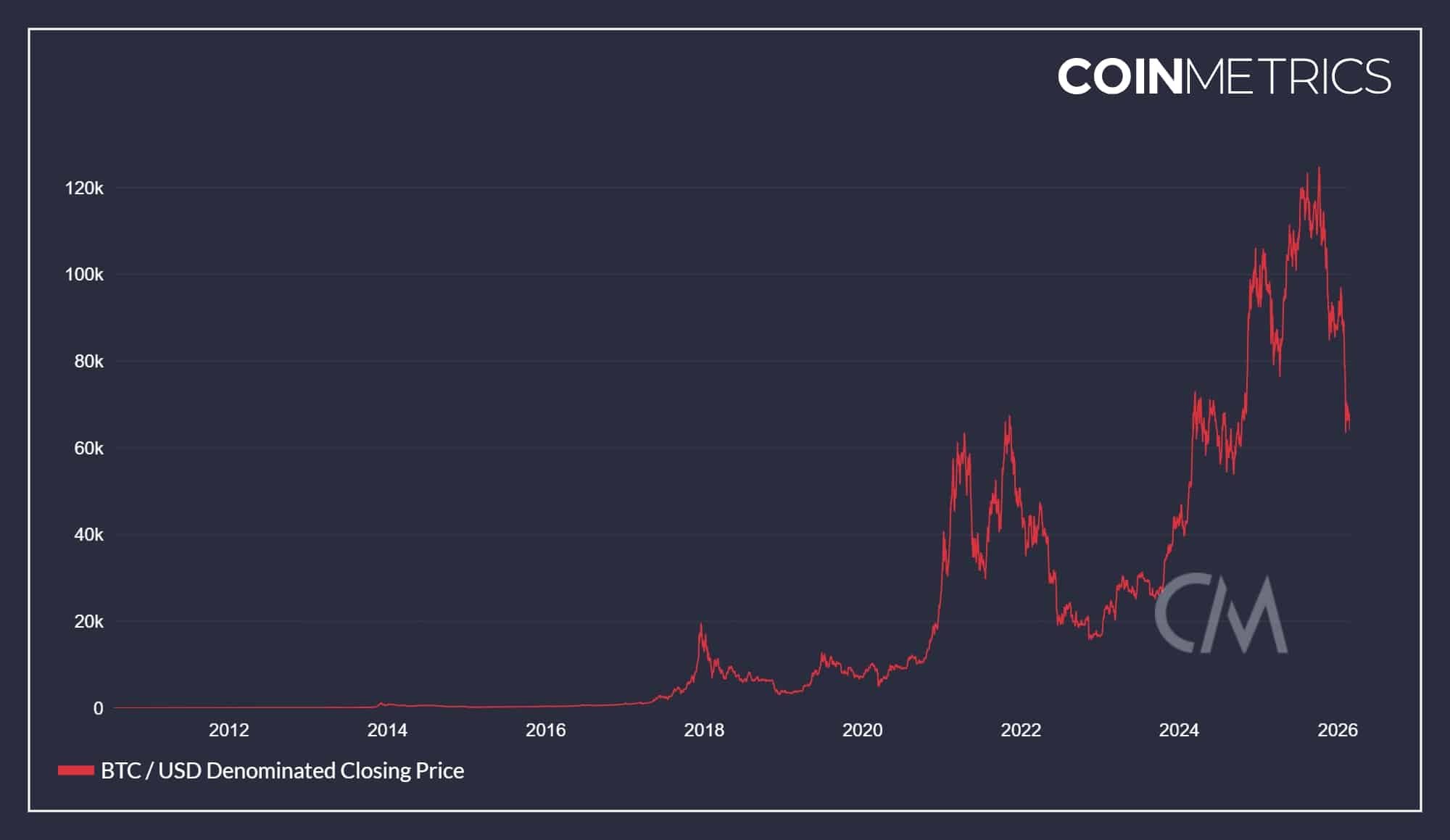
Bitcoin was built to operate beyond governments, yet growing institutional adoption has tied it closer to global policy and economic signals. By early 2026, the Bitcoin price was reacting not just to halving cycles or ETF flows, but to court rulings, trade tensions, and shifts in Trump crypto policy.
President Donald Trump’s actions created a new political variable in the crypto equation. Supportive rhetoric often sparked short bursts of optimism, while tariff escalations introduced uncertainty that weighed more heavily on markets. Understanding this evolving relationship is now essential for anyone analyzing how macro policy influences digital assets in a maturing financial system.
A New Political Variable Enters the Crypto Equation
Bitcoin was designed as a decentralized asset, explained in the original whitepaper by Satoshi Nakamoto. Yet in modern markets, macro forces shape outcomes. According to research, institutional adoption has tied crypto performance closer to global liquidity and policy signals. That link became clear when Trump crypto policy began driving short-term volatility.
On Jan. 20, 2025, just hours before the inauguration, the Trump-linked project World Liberty Financial purchased major tokens including wrapped Bitcoin, Ether, Tron, Aave, Ethena, and Chainlink. The aggressive buying acted as a signal flare.
The Bitcoin price climbed 4.5% within 24 hours, though weekly charts showed mixed momentum. Analysts tracking order books on platforms like TradingView noted a surge in speculative volume. Markets respond not only to fundamentals but to expectations. In that moment, traders expected a pro-crypto administration.
Executive Orders and Early Optimism
Three days later, Executive Order 14178 banned a U.S. central bank digital currency and created a Presidential Working Group on Digital Asset Markets. Supporters described the order as a milestone for innovation. Coverage from a verified source highlighted renewed optimism among crypto policy advocates.
The Bitcoin price gained 1.34% that day and 0.79% over the week. The move was modest but symbolic. Investors saw direction. Developers saw clarity. Financial students analyzing volatility noticed that political confirmation reduced short-term uncertainty.
However, optimism did not equal runaway growth. Market depth data from exchanges showed cautious positioning rather than aggressive leverage.
The “Crypto Reserve” That Didn’t Buy
In early March 2025, the administration proposed a U.S. “Crypto Reserve” and later established a Strategic Bitcoin Reserve using seized assets. It also formed a Digital Asset Stockpile including XRP, Solana, and Cardano. Some advocates expected active government purchases. That expectation did not materialize.
The Bitcoin price slipped 0.75% in 24 hours and lost 2.56% on the week. The reaction revealed an important lesson: markets price in hope quickly and remove it just as fast. Without new demand, the announcement felt symbolic.
Blockchain analysts who track wallet movements on explorers confirmed no large-scale government buying. Traders recalibrated.
Conflict Questions and WLFI’s Expanding Role
On March 17, 2025, World Liberty Financial completed a public token sale raising about $550 million. Reports estimated that the Trump family had earned over $1 billion from the project’s inception. Critics raised concerns about conflicts of interest, since Trump crypto policy decisions could influence related assets.
The Bitcoin price dipped 1.59% that day but gained 3.5% on the week. Spring optimism overshadowed ethical debate. Still, institutional research desks noted rising headline risk.
Later, a $100 million investment from a UAE-based foundation further strengthened WLFI’s profile. Yet the Bitcoin price barely moved. This disconnect suggested that markets distinguished between Bitcoin’s core fundamentals and ecosystem branding.
When Speeches Meet Sentiment
In March 2025, Trump addressed the Blockworks Digital Asset Summit and criticized earlier enforcement actions. The weekly gain of 3.46% reflected broader bullish momentum rather than speech impact alone. Analysts later observed that liquidity conditions and ETF inflows played a larger role during that period.
A November 2025 “Bitcoin superpower” speech in Miami generated headlines but failed to sustain momentum. The Bitcoin price fell 1.8% the following day. By then, traders focused more on stalled legislative efforts such as the CLARITY Act than on rhetoric.
This pattern highlights a core insight: markets reward policy clarity more than slogans.
Bitcoin Price Reacts to Tariffs and Policy Shockwaves
If speeches nudged markets, tariffs shook them. On April 5, 2025, sweeping “Liberation Day” tariffs began at 10% across trading partners. Financial media widely criticized the formula behind the tariff structure. Equity indices fell, and crypto followed.
The Bitcoin price dropped 5.7% immediately, though it recovered to post a weekly gain of 2.14%. That rebound reflected classic “buy the dip” behavior. However, volatility spiked. Options data showed higher implied volatility premiums.
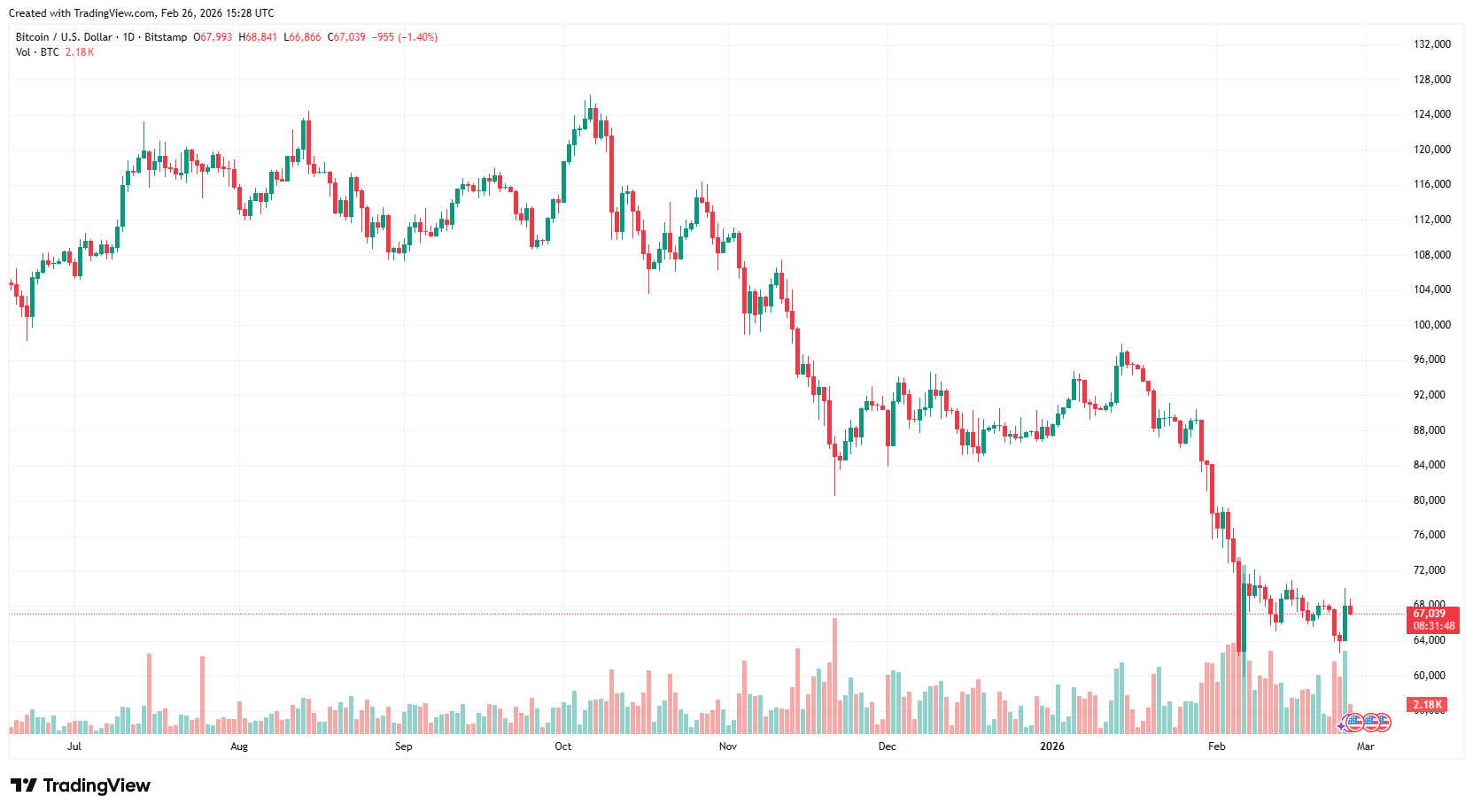
In February 2026, after the Supreme Court ruled against certain tariff authorities in Learning Resources v. Trump, new tariffs were introduced under the Trade Act of 1974. The Bitcoin price slipped again, falling 0.77% within 24 hours and 1.3% over the week.
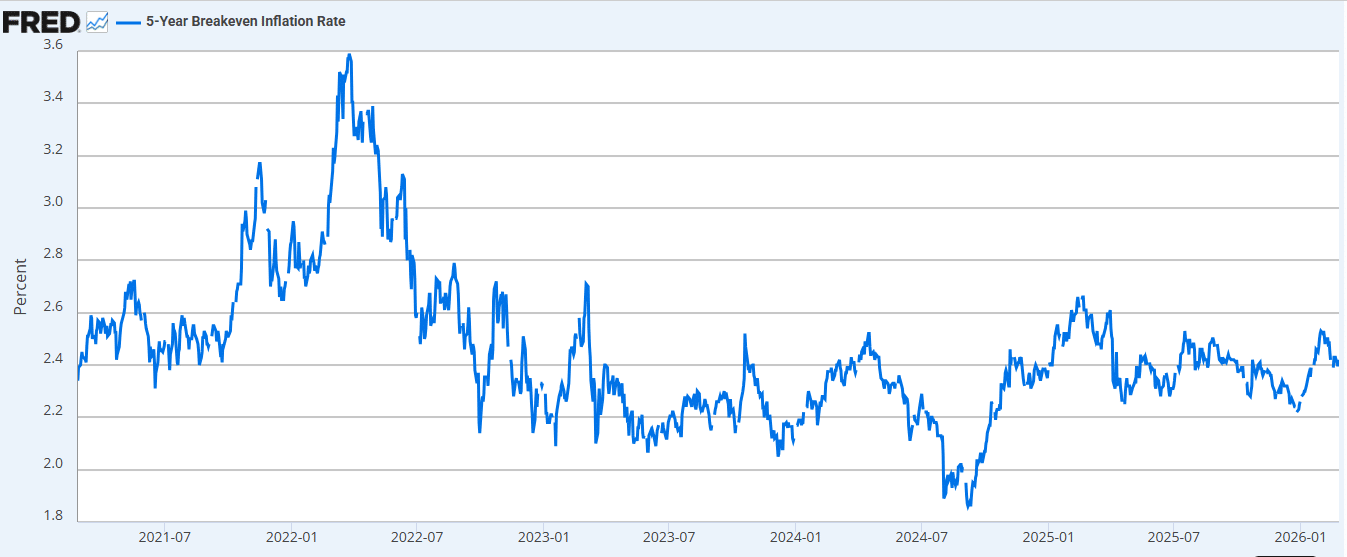
Macro risk matters. Tariffs increase costs, influence inflation expectations, and shift Federal Reserve outlooks. According to Federal Reserve research, inflation expectations affect asset pricing models. Crypto does not sit outside that system anymore.
Davos, Geopolitics, and Market Nerves
At the World Economic Forum in January 2026, remarks about geopolitical tensions and U.S. leadership in digital assets briefly stabilized markets. Yet renewed trade concerns drove the Bitcoin price down 6% within a week.
Financial analysts often model Bitcoin alongside risk assets using correlation coefficients. During heightened geopolitical stress, correlation with equities rises. Developers who once argued that Bitcoin served as pure digital gold now recognize that macro integration has changed behavior.
Institutional Integration Changes the Game
As banks and asset managers join crypto markets, sensitivity to policy grows. Research from the Bank for International Settlements shows that institutional flows increase correlation between crypto and traditional markets. When tariffs disrupt global trade, liquidity tightens. When legislation stalls, capital hesitates.
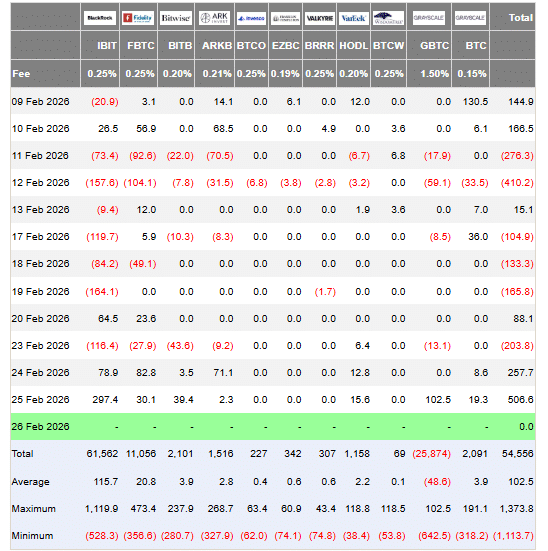
At a February 2026 forum at Mar-a-Lago, executives discussed blockchain’s integration with traditional finance. The Bitcoin price rose 1.3% the next day but remained flat on the week. Sentiment improved, yet caution persisted.
Policy Versus Personality
In 2021, Elon Musk’s social media updates reportedly triggered a near 20% jump in the Bitcoin price. By contrast, Trump crypto policy produces smaller but steadier moves. The difference reflects maturity. Today’s market features ETFs, custody solutions, and institutional desks that weigh fundamentals alongside headlines.
Data-driven traders often use volatility formulas such as:
Volatility = √(Variance of returns)
When tariffs hit, variance rises. When speeches lack substance, variance fades quickly. Quant desks analyze these shifts rather than react emotionally.
Risks, Regulation, and Responsibility
Cryptocurrency remains volatile. The Securities and Exchange Commission has repeatedly warned investors about digital asset risks. Global frameworks like the European Union’s MiCA regulation aim to provide clearer rules. Regulatory clarity reduces uncertainty but does not eliminate risk.
Trump crypto policy has created both optimism and tension. Tariffs have added macro risk. Executive orders have signaled support. Investors must understand that political influence affects sentiment, liquidity, and expectations.
Conclusion: A Market Listening to Power
Bitcoin began as a rebellion against centralized control, yet modern markets show that no asset exists in isolation. The Bitcoin price now reacts to trade disputes, court rulings, and executive directives as much as to mining difficulty or halving cycles. Trump crypto policy has proven capable of nudging markets upward with supportive rhetoric, yet tariffs and geopolitical uncertainty carry stronger weight.
For financial students and analysts, the lesson is clear. Study policy as closely as on-chain data. Track macro indicators alongside hash rate and supply metrics. In an interconnected system, political decisions move capital flows. The market listens carefully when power speaks.
This article is for informational purposes only and does not constitute financial advice. Readers should conduct independent research before making investment decisions.
Glossary of Key Terms
Bitcoin price: The market value at which Bitcoin trades on exchanges.
Trump crypto policy: Regulatory and economic actions taken by the Trump administration that affect digital assets.
Strategic Bitcoin Reserve: U.S. reserve of seized Bitcoin held by federal authorities.
Tariffs: Taxes imposed on imported goods that can influence inflation and market sentiment.
Volatility: A measure of how much an asset’s price fluctuates over time.
Liquidity: The ease with which an asset can be bought or sold without affecting its price.
Correlation: Statistical relationship between two asset prices.
ETF: Exchange-traded fund that tracks an asset’s performance.
Blockchain explorer: Online tool that tracks on-chain transactions.
MiCA: European Union regulatory framework for crypto assets.
FAQs About Bitcoin Price
What factors most influence the Bitcoin price today?
Macroeconomic policy, liquidity conditions, institutional flows, regulatory clarity, and geopolitical risk strongly influence movements.
Does Trump crypto policy guarantee market growth?
No policy guarantees gains. Supportive measures may improve sentiment, but tariffs and trade disputes can increase volatility.


Why do tariffs affect crypto markets?
Tariffs impact inflation and investor confidence, which influence broader risk appetite across all markets.
Is Bitcoin still decentralized if politics affect it?
The network remains decentralized, but market prices respond to global economic forces and investor behavior.