![BitTorrent [New]](https://s2.coinmarketcap.com/static/img/coins/64x64/16086.png)


This article was first published on TurkishNYR.
Decentralized finance can feel like a self-serve bank that never closes. A wallet connects, a swap happens, a lending position opens, and returns start showing up on a dashboard.


The catch is that DeFi runs with fewer shock absorbers than traditional finance, so small mistakes can become expensive, fast. The most reliable edge is not speed or hype, it is DeFi security practiced as a repeatable habit.
A 2024 industry breakdown estimated about $2.2 billion stolen across 303 hacking incidents, and a 2025 analysis put thefts at over $3.4 billion, with one February compromise accounting for $1.5 billion of that total. Those figures are not a reason to dismiss DeFi, but they do set expectations: verification is part of the cost.
DeFi security starts before the first transaction
Safe participation begins earlier than the first deposit. It starts with deciding how much risk belongs in one place, how much access any app should have, and what evidence a protocol must show before it earns trust. The goal is simple: one bad signature should not become a portfolio-level event.
Large losses have often involved compromised signing processes and social engineering, not only smart contract bugs. That is why safety has two halves, protocol quality and personal operational discipline.
The 2026 risk map: stronger code, softer targets
Some datasets suggest that hack losses aimed at DeFi remained comparatively suppressed in 2024 and 2025, even as total value locked recovered. Attackers adapt, though, and they often shift toward the easy doors: phishing, fake front ends, and toxic approvals that stay active long after a trade is done.

Wallet design that limits blast radius
The safest DeFi experience is built on separation. A common setup is a “cold” wallet that rarely touches new contracts, a working wallet for routine positions, and a small test wallet for unfamiliar apps. This structure turns uncertainty into a capped risk, and it makes DeFi security feel more like compartmentalization than constant fear.
Hardware wallets help because signing moves off the browser and into a physical confirmation flow, but even without hardware, a dedicated device and a clean browser profile reserved for crypto activity reduce exposure.
The link problem: where most losses begin
Attackers know that people search under time pressure, so they build convincing copies of popular interfaces, then funnel traffic with look-alike URLs and paid placement. Even a well-built protocol cannot protect a signer who is interacting with the wrong contract through the wrong front end.
A simple routine blocks a large category of attacks. Official links can be verified through multiple independent references, then saved as bookmarks, with future visits made only through those bookmarks. This is DeFi security in its most practical form: boring, consistent, and effective.
How to evaluate a protocol without pretending to be an auditor
A participant does not need to read Solidity to do useful due diligence. Start with economic clarity. Where does the yield come from: borrowing demand, trading fees, liquidation penalties, or token emissions? If the answer is vague, the risk is usually higher than the marketing suggests, and DeFi security should treat that vagueness as a red flag.
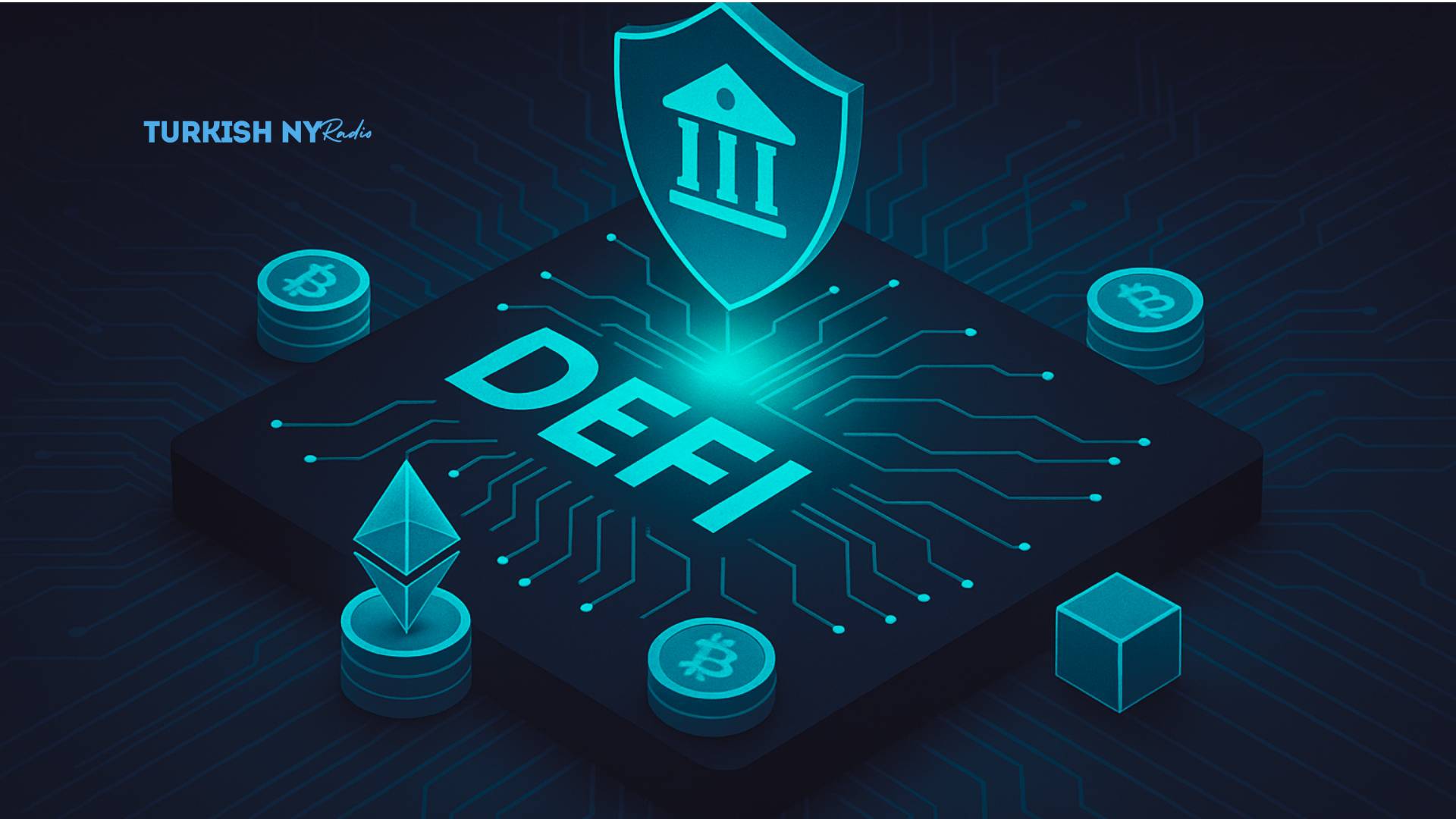
Next comes control clarity. Who can pause the protocol, change parameters, or upgrade contracts? Upgrades are not automatically bad, but they create a trust relationship with whoever holds the keys and votes. Audits fit into the picture too, but they should be read as snapshots, not warranties.
The most encouraging sign is layered defense, including monitoring and the ability to pause quickly when something looks wrong.
Token approvals: the silent risk that stacks up
Approvals are a normal part of DeFi, and they are also one of the easiest ways to accumulate invisible risk over time. Unlimited allowances are convenient, but they are a standing permission slip that can be abused later if a contract is compromised or upgraded badly. Managing allowances is one of the highest-leverage habits in DeFi security because it lowers the damage ceiling.
A practical approach is to approve only what is needed, then reduce or revoke allowances after use, especially for new or experimental protocols.
Yield sanity checks that keep curiosity alive
Returns can be real, and they can also be engineered to look stable until they collapse. Fee-driven returns tend to follow usage. Borrowing yields depend on demand and can drop quickly. Incentive yields may remain high only because the reward token is falling in price, which makes the printed percentage feel like a mirage.


A simple mental test helps. If the reward token went to $0, would the strategy still produce returns? If the answer is no, the yield is mostly incentives, and the position size should reflect that. DeFi security is not only about avoiding hacks, it is also about avoiding fragile strategies that break the moment conditions change.
Bridges and cross-chain exposure
Cross-chain tools expand the attack surface. Theft research notes that stolen funds are often routed through bridges during laundering, and bridges have been exploited directly in past cycles. When bridging is necessary, smaller staged moves and conservative route selection help, and DeFi security benefits from treating bridged assets as higher risk than native assets.
What to do when something feels off
When a wallet might be compromised, speed matters. The priority is to move remaining assets to a fresh wallet created on a clean setup, then revoke allowances tied to the old wallet.
If a protocol appears to be under active attack, repeated interaction can compound losses, so waiting for clear updates and withdrawal status is often safer than clicking through fear. DeFi security belongs in the routine rather than in the panic.
Conclusion
DeFi is powerful because it is open and composable, but those traits mean risk travels quickly too. The safest participants treat safety like a system: segmented wallets, careful links, realistic yield expectations, limited approvals, and the discipline to size positions conservatively until trust is earned.
With that approach, DeFi security becomes the framework that lets people explore new protocols without turning every experiment into a high-stakes gamble.
Frequently Asked Questions (FAQs)
What is the safest way to start with DeFi as a newcomer?
A newcomer can start with a small test wallet, use one established protocol at a time, and keep deposits modest until the workflow feels routine.
Do audited protocols guarantee safety?
Audits reduce risk, but they do not eliminate it. Upgrades, admin key failures, integrations, and phishing can still cause losses, so caution remains important.
Why do high yields drop so quickly?
Many high yields depend on incentives and token emissions. When emissions decline or reward token prices fall, returns can compress rapidly even if the protocol continues running.
How can participants reduce the risk of phishing?
Link discipline helps most. Verified official links, saved bookmarks, a clean browser profile, and careful reading of transaction prompts reduce the chance of signing the wrong action.
Glossary of Key Terms
Allowance: Permission granted to a contract to spend a token from a wallet, often set as unlimited unless manually limited or revoked.
Automated market maker: An exchange design that uses liquidity pools and pricing formulas instead of traditional order books.
Bridge: Infrastructure that moves assets or messages between blockchains, adding complexity and risk compared with native transfers.
Impermanent loss: The performance gap between holding assets and providing them as liquidity, caused by pool rebalancing when prices move.
Liquidation: The forced sale of collateral when a borrowing position becomes undercollateralized, typically executed automatically.
Total value locked: An estimate of how much value is deposited in DeFi protocols, often used as a rough signal of usage and scale.
Reference