Google has officially unveiled the Google AI Payments Protocol (AP2), a transformative step toward merging artificial intelligence, payments, and blockchain technology.
With stablecoin integration and collaboration from major players in the crypto and fintech industries, this protocol is set to change how AI agents handle financial transactions.


The announcement has sparked major discussions across tech, finance, and crypto communities about trust, security, and the future of automated payments.
What Is the Google AI Payments Protocol?
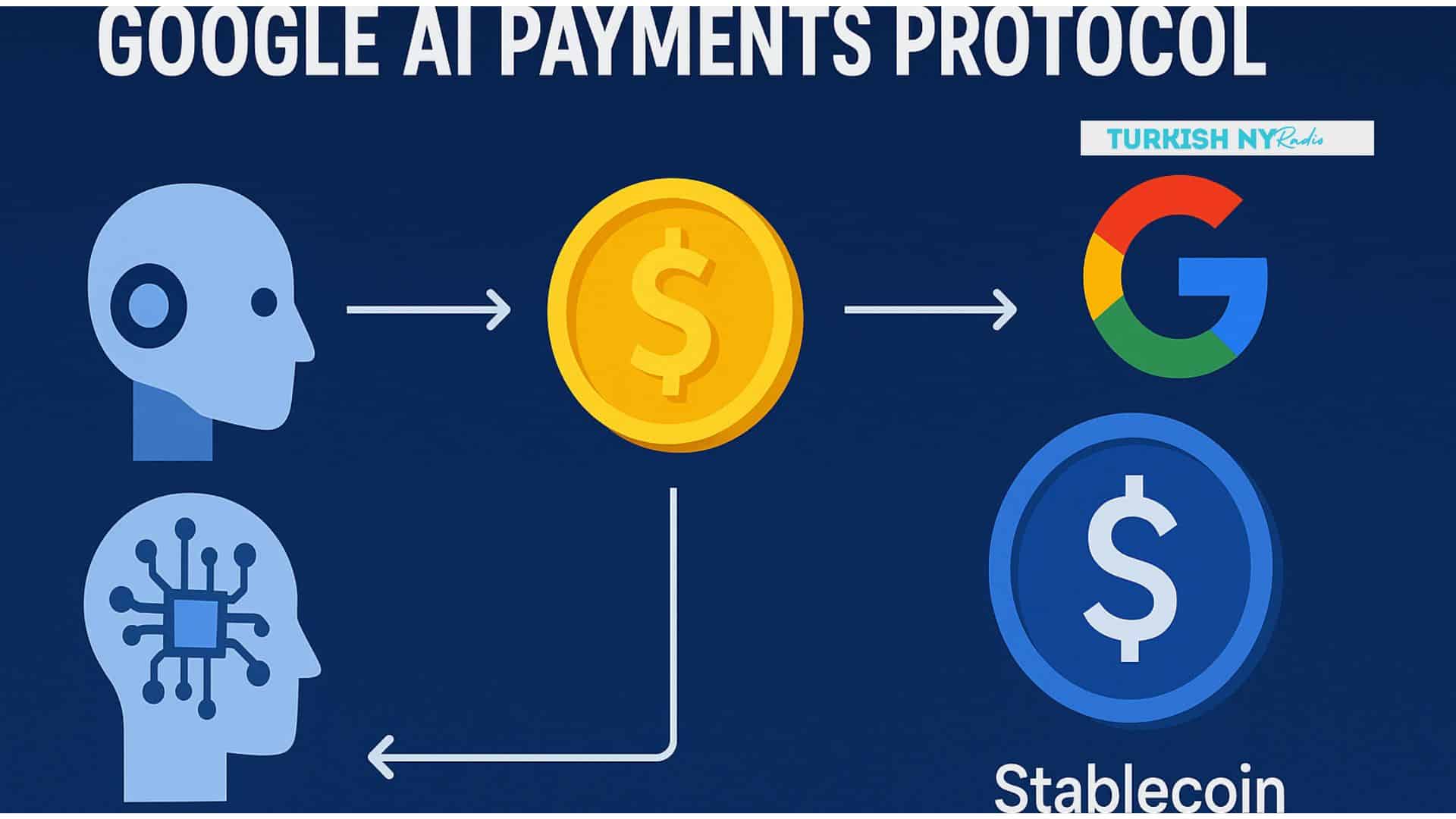
The Google AI Payments Protocol (AP2) is an open system designed to allow AI agents to securely send and receive payments. Unlike traditional payment frameworks, AP2 integrates both conventional rails like cards and bank transfers, alongside stablecoins such as USDC.
The goal is to make AI agents not just intelligent, but financially capable , executing transactions, micro-payments, and subscriptions on behalf of users while maintaining trust and security.
How Google AI Payments Protocol Works
At its core, the Google AI Payments Protocol uses “Mandates,” cryptographically signed authorizations that clearly define what an AI agent can or cannot do. These mandates are paired with verifiable credentials to ensure authenticity, accountability, and user control.
Google also introduced x402, an extension enabling stablecoin payments. This allows AI agents to interact with crypto-friendly ecosystems, reducing reliance on traditional intermediaries.
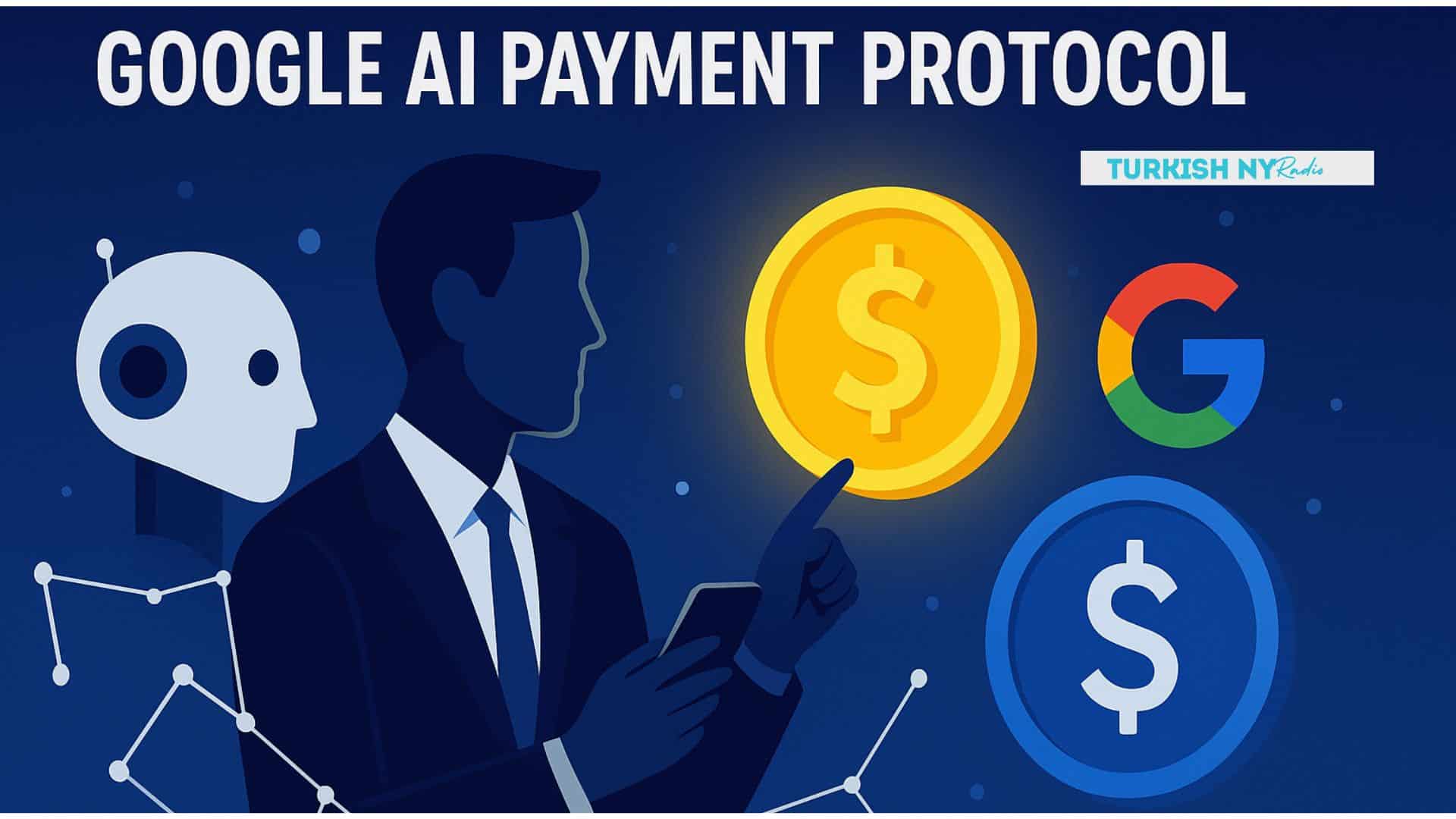
“JUST IN: Google launched an open-source AI payments protocol supporting credit cards and stablecoins, built with Coinbase, the Ethereum …” X.com
Global Partnerships Behind the Launch
The Google AI Payments Protocol is not a solo effort. Over 60 organizations are collaborating with Google, including Coinbase, PayPal, American Express, and Salesforce. The Ethereum Foundation has also provided input, ensuring compatibility with decentralized finance principles.
According to Coinbase: “Stablecoins are the natural bridge between AI and crypto. With x402, AP2 has the power to make automated, borderless payments a reality.”
Why This Matters for Crypto and AI
The launch of the Google AI Payments Protocol signifies a deepening convergence between AI and blockchain. By empowering AI agents to conduct secure transactions, Google is pushing the boundaries of digital finance.
For the crypto ecosystem, stablecoin adoption within a mainstream tech protocol is a major win. It provides new use cases for tokenized assets, beyond trading and DeFi. For AI, it enables autonomous systems to handle real-world tasks like booking, subscriptions, or supply chain payments.
Security and Trust Challenges
While the Google AI Payments Protocol promises efficiency, it also raises questions about risks. What happens if an AI agent misuses funds? How do regulators ensure compliance across jurisdictions?
Google argues that mandates and verifiable credentials provide strong guardrails. Still, experts warn that mass adoption will depend on clear global standards for AI-driven payments.
Expert Reactions
Industry analysts have praised the Google AI Payments Protocol as a bold step. Tech strategist Elena Chang commented: “We’re witnessing the first global protocol that blends AI autonomy with financial infrastructure. It will be as transformative as the internet’s shift to e-commerce.”
Others remain cautious, pointing to adoption hurdles among merchants and regulatory uncertainty. Nevertheless, the momentum is undeniable.
Conclusion
The Google AI Payments Protocol is more than just a new product; it’s a signal of where digital transactions are headed. By combining AI, crypto, and traditional payment systems, Google is creating an ecosystem where machines can securely and autonomously handle payments.
If adopted at scale, this could redefine online commerce, financial services, and the role of AI in everyday life. The age of AI-powered payments is no longer theory, it has begun.
Also read: Google Enables Seamless .eth Crypto Balance Tracking via ENS Domains
Summary
The Google AI Payments Protocol (AP2) introduces a revolutionary way for AI agents to handle financial transactions, including stablecoin integration. Backed by major partners like Coinbase and PayPal, AP2 combines security through mandates and verifiable credentials with the flexibility of crypto payments. While challenges around regulation and adoption remain, experts believe this protocol could reshape global finance by merging AI autonomy with blockchain innovation.
Glossary of Key Terms
Google AI Payments Protocol (AP2): An open system enabling AI agents to perform secure digital payments.


Stablecoin: A cryptocurrency pegged to a stable asset, usually fiat currency.
Mandates: Cryptographically signed permissions that define what an AI agent can do.
Verifiable Credentials: Digital proofs ensuring authenticity and security of transactions.
x402 Extension: An add-on that enables stablecoin payments within AP2.
FAQs for Truth Behind Google AI Payments Protocol
Q1: What is the Google AI Payments Protocol?
It’s an open protocol by Google that allows AI agents to securely make and receive payments, including crypto and stablecoins.
Q2: How is it different from traditional payment systems?
It uses AI autonomy, cryptographic mandates, and stablecoin support, making transactions faster and more programmable.
Q3: Which companies are involved in AP2?
Partners include Coinbase, PayPal, American Express, Salesforce, and the Ethereum Foundation.
Q4: What role do stablecoins play in AP2?
Stablecoins provide a reliable digital currency option for AI transactions, enabling global, low-cost payments.
Q5: What are the risks of the protocol?
Potential risks include misuse by AI agents, regulatory uncertainty, and adoption challenges among traditional financial players.