
This Article Was First Published on TurkishNY Radio.
Investors experienced increased volatility in today’s global markets as new U.S. employment statistics left traders unsure about the Federal Reserve’s future course. Concerns that disparities in the labor reports could complicate monetary policy caused stocks in Asia, Europe, and the US futures to decline.


Global markets today showed a cautious tone as traders considered the ramifications of a still-uncertain economic outlook, with bond markets exhibiting little activity and tech equities declining.
Also read: Asian Markets Slide to One-Month Lows as Tech Valuations Spark Fresh Fears
Asian Markets Fall In the Face of Policy Uncertainty
With broad indices down more than 2% today, Asian markets for shares were among the most severely affected in the world. Due to their vulnerability to interest-rate forecasts, technology-heavy markets in Taiwan and South Korea saw more severe losses. Local sentiment was momentarily bolstered by Japan’s newest ¥21.3 trillion stimulus program, but worries about currency pressure were reinforced when the yen declined, approaching a 10-month low.
According to market analysts, a major factor influencing global markets today is the ambiguity around U.S. employment figures, where hiring exceeded projections but unemployment also slightly increased.


“Investors aren’t sure what to make of the labor data, and that uncertainty spills directly into regional markets,” said a Tokyo-based economist. “Tech stocks, in particular, feel the weight of higher-rate expectations.”
This uncertainty continued to ripple across Global markets today, prompting traders to shift away from risk-sensitive assets.
As stocks lose momentum, U.S. bond yields remain stable.
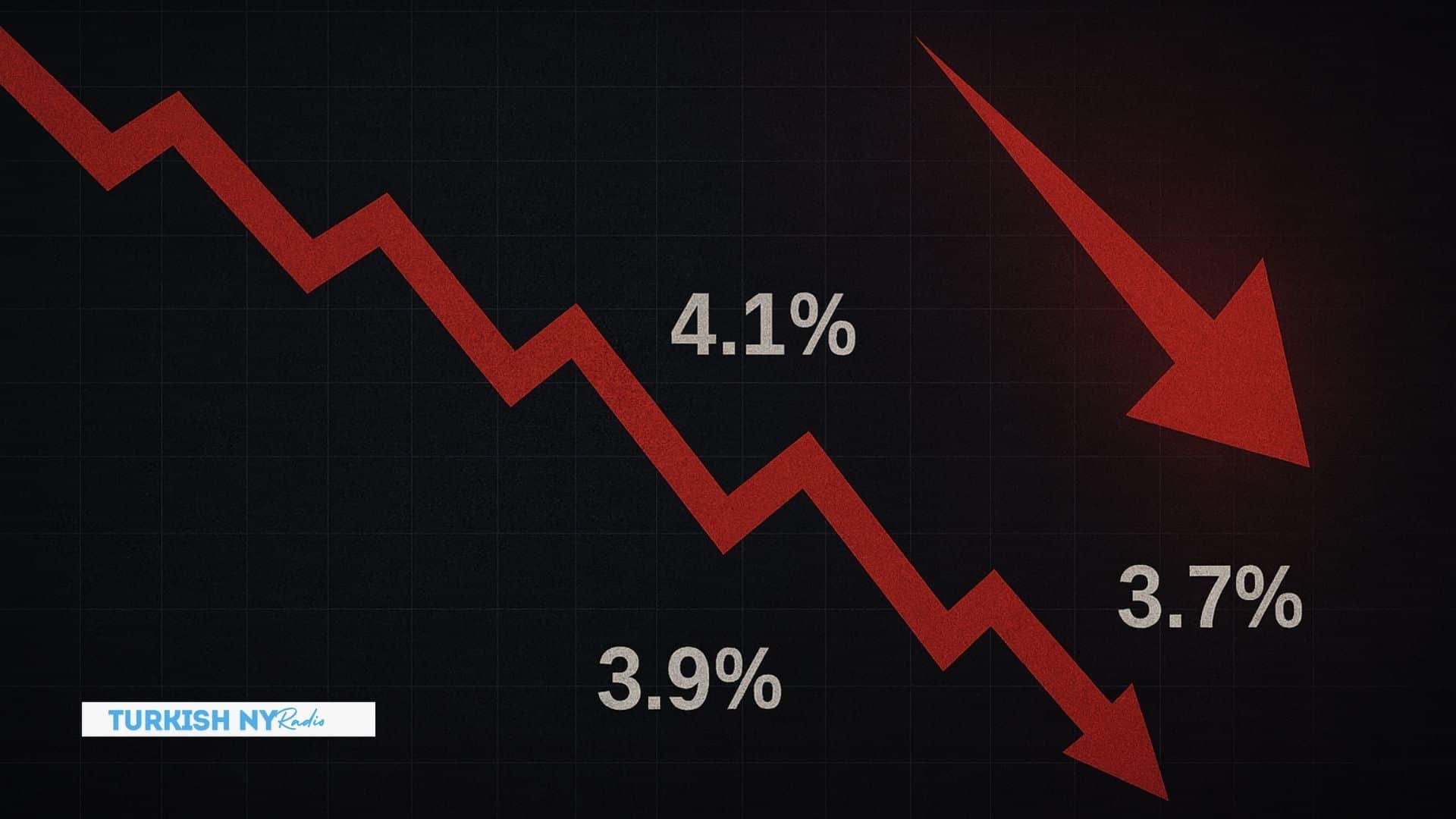
U.S. Treasury yields remained comparatively constant in comparison to stock drops. The traditional 10-year yield was around 4.09%, indicating that bond traders are holding off on repositioning until they receive more precise signals. Strong hiring combined with lower revisions to previous months in the U.S. job report gave no clear signal as to whether the central bank could accelerate or postpone future policy changes.
Global markets today showed this lack of direction, with futures indicating a lower start for future sessions and major indices lacking upward impetus. While oil prices fell more than 1%, the U.S. dollar remained stable, indicating a lack of confidence in short-term demand.
“We’re in a holding pattern,” noted a New York-based strategist. “Markets want clarity from the Fed, but the data isn’t giving them that. As a result, Global markets today are leaning toward caution.”
Global Selloff Leads Technology Stocks
Technology equities witnessed significant drops in pre-market trading over Asia, Europe, and the United States, making them the most noticeable weakness in today’s global markets. Investor mood was negatively impacted by worries that increased borrowing rates would impede the growth of tech companies’ revenue.
If future economic reports don’t offer a more consistent picture of inflationary and labor market health, some analysts speculated that the selloff would continue. Today’s global markets had one of the largest weekly declines in months as a result of the tech collapse.
Conclusion
Investors continue to concentrate on upcoming Federal Reserve instructions as the world’s markets deal with conflicting economic signals and changing expectations. A complex picture of global financial stability is painted by the mix of declining labor revisions to firm hiring data, poor tech profitability, and currency volatility. Global markets today are bound gonna stay cognizant of releases of data and policy remarks until a clearer economic path becomes apparent, and volatility is anticipated to continue in the near future.
Also read: Global Investors Trim US Debt Holdings, Highlighting Market Caution Ahead
Summary
Today, mixed signals regarding the state of employment were provided by U.S. job data, which caused stocks in Asia and Europe to decline. Uncertainty about Federal Reserve policy resulted from strong hiring in contrast to a higher rate of employment and downward revisions. While oil prices dropped and U.S. Treasury yields stayed stable, technological shares led global drops. The global markets today continue to show cautious investor sentiment and increased volatility due to the lack of direction in sight from economic indicators.
Glossary of Key Terms
Monetary Policy: Central bank actions that influence interest rates and money supply.
Treasury Yield: The return investors earn from U.S. government bonds.
Stimulus Package: Government spending aimed at supporting economic activity.
Risk-Off Sentiment: Market behavior characterized by avoiding risky assets.
Unemployment Rate: The percentage of people actively seeking work but unable to find jobs.
FAQs for Global Markets Today
1. What caused today’s market decline?
What the Federal Reserve would do next was uncertain due to ambiguous U.S. labor statistics.
2. Which industry had the biggest drop?
Today, the global markets saw the biggest losses in technology equities.
3. What was the response of Asian markets?
Tech-heavy indices underperformed as they dropped more than 2%.
4. How did the price of oil change?
Weaker demand estimates caused oil to drop more than 1%.
5. Has the value of the US currency increased?
Despite general market downturn, the dollar held steady.