
This article was first published on TurkishNY Radio.
Ghana has made an important step toward regulating the country’s digital asset industry, with parliament enacting a recently passed bitcoin law. The passage of the Virtual Asset Service Providers (VASP) Bill marks a shift from uncertainty to supervision, bringing legal protection to millions of customers and businesses.


With this step, Ghana crypto Regulation becomes a key component of the country’s emerging financial structure, reflecting growing recognition of cryptocurrency’s significance in modern trade.
Parliament brings cryptocurrency out of the shadows.
For years, bitcoin activity in Ghana grew without a defined legal framework, leaving individuals at danger and businesses acting carefully. That improves with the passage of the VASP Bill, whose officially acknowledges cryptocurrency trade and related services.
Also read: Binance CEO Backs US Crypto Regulation Overhaul, Eyes Global Standard
Ghana crypto Regulation, stated to the MPs who developed it, was intended to recognize the reality of widespread adoption of digital currencies while ensuring financial stability. The Act authorizes dealing and services for custody, but it specifically states that monies are not legal tender. The Ghanaian cedi remains the sole national currency.
“This legislation is about responsibility, not restriction,” a parliamentary source said. “It brings transparency to a space that has grown faster than the rules governing it.”

Bank of Ghana Takes Over Regulatory Authority
Under the new structure, the Bank of Ghana would be the principal overseer of virtual commodity service providers. Before providing services, trading platforms, wallet proprietors, facilitators, and custodians must get licenses and comply with operating criteria.
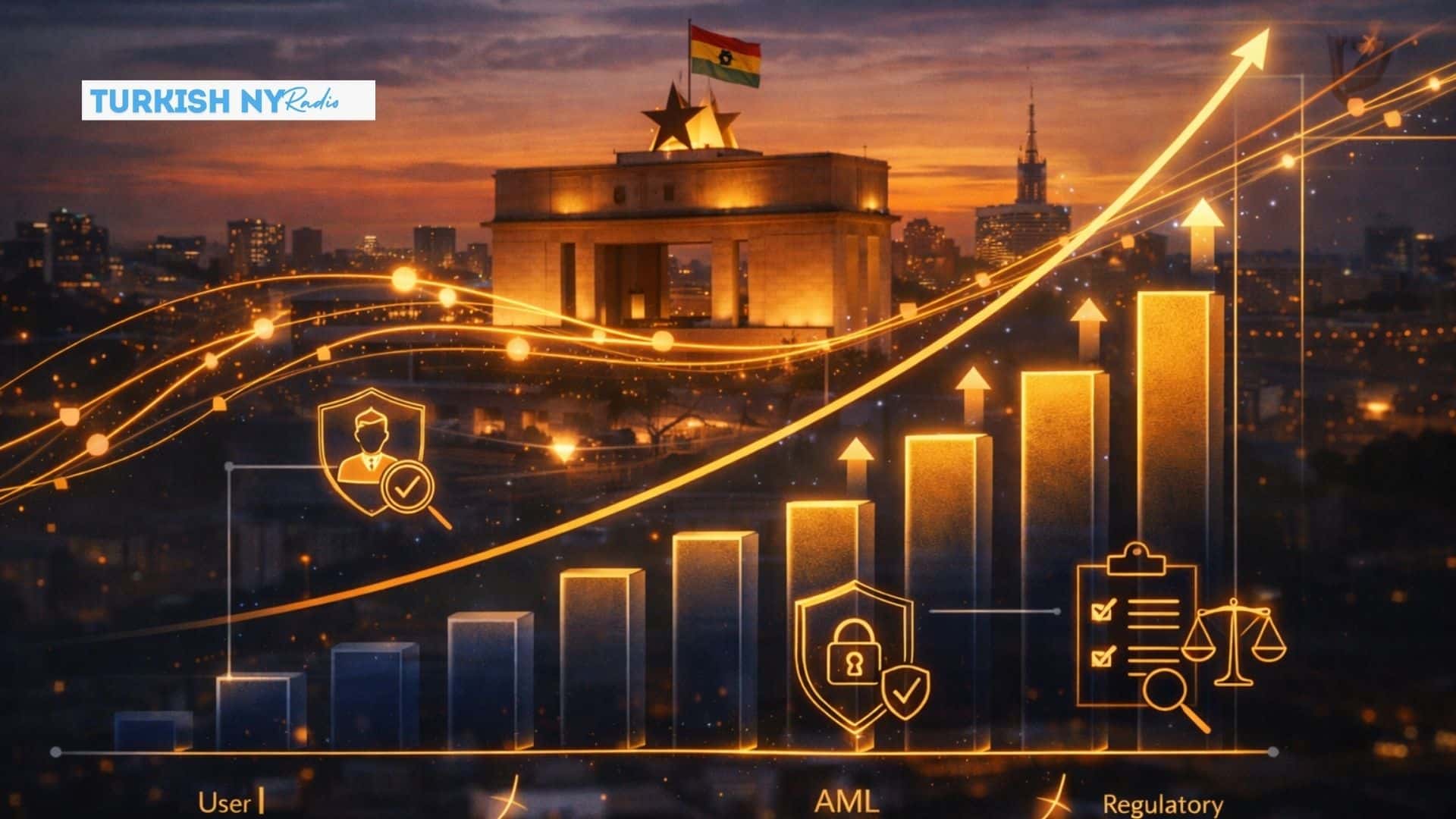
In accordance with the government, Ghana crypto regulation prioritizes consumer protection through strict combating of money laundering and customer awareness regulations. The regulators say that supervision is critical for preventing scams, illegal activity, and societal danger.
A spokeswoman for the Bank of Ghana indicated the restrictions would “allow for prosperity while upholding trust throughout its monetary system.”
Impact on Members and the Crypto Market
For ordinary consumers, the new law provides more legal clarity and protection. For firms, it provides an unambiguous way to operate legally and attract institutional partners.
According to industry analysts, Ghana’s crypto regulation could advertise the country as a reputable location for technology investments from West Africa. A structured environment may also foster relationships among mainstream financial institutions and digital asset companies.
However, officials have warned that unauthorized sites would risk legal action once implementation begins. Detailed guidelines for permitting, capital requirements, and documentation requirements are planned to be announced in 2026.
A Methodological Approach to Innovation
Authorities at the government have highlighted that the regulation does not encourage speculative activity. Instead, Ghana Crypto Regulation reflects a balanced approach that recognizes innovation while managing risk.
“We are setting boundaries, not opening floodgates,” one senior policymaker said. “The goal is sustainable growth, not unchecked experimentation.”
Conclusion
The passage into law of the VASP Bill is a watershed moment for Ghana’s digital economy. By opting for legislation over restriction, Ghana Crypto Regulation connects the nation to global standards while also addressing local circumstances. As the administration begins, the system’s success will be determined by competent compliance, industry engagement, and confidence in the public.
Also read: Crypto Regulation 2025: SEC Memo Exposes Risks, Sandboxes, and Political Divides
Summary
Ghana’s crypto regulation has advanced significantly with Parliament’s passage of the Virtual Asset Service Providers Bill. The regulation establishes official control for crypto trading yet maintains currencies out of legal cash status. The Bank of Ghana is going to license and monitor service providers while implementing AML and KYC regulations. Officials believe the framework will protect consumers, attract investment, and integrate crypto activity into Ghana Crypto Regulation financial system.
Glossary of Key Terms
Virtual Asset Service Provider (VASP): An organization that provides cryptocurrency trading, management, or exchange services.
AML: Anti-Money Laundering Rules for Avoiding Illegal Financial Activities


KYC: Identification verification method for financial consumers.
Legal Tender: Monetary that is lawfully recognised as compensation or debt.
Digital assets: include currencies and distributed tokens.
FAQs for Ghana Crypto Regulation
1. What effect should a recent law have on cryptocurrency in Ghana?
It formalizes cryptocurrency trading inside a regulated framework.
2. Is cryptocurrency now recognized as currency in Ghana?
Not at all, only the one Ghanaian cedi is accepted as money.
3. Whoever controls digital currency service providers?
The Banking Corporation of Ghana is the primary institution.
4. Does current platforms require approval?
Absolutely, every provider are required to apply for a license.
5. How soon will prosecution start?
Additional regulations are planned to go into place in 2026.