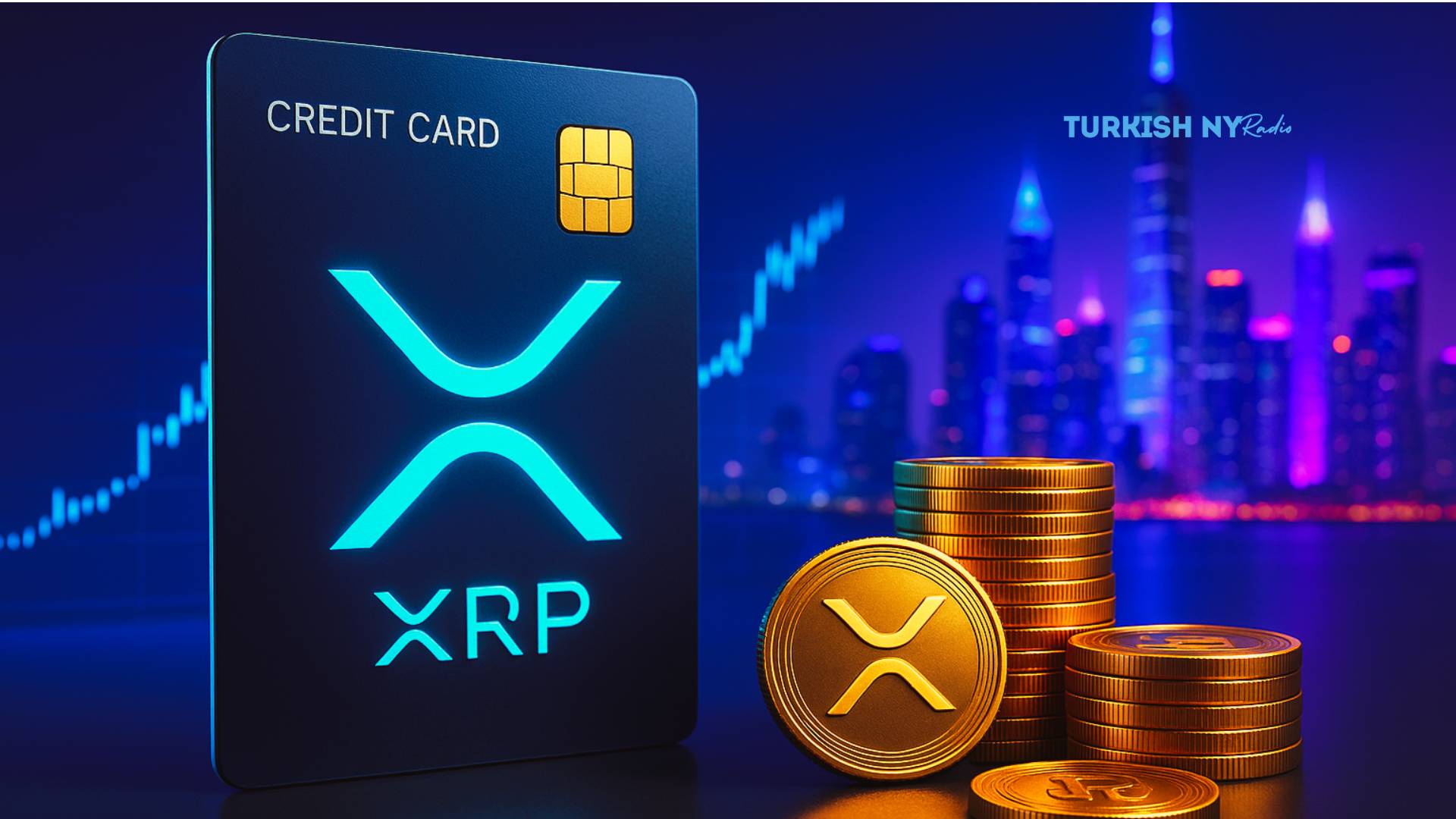
A credit card that pays in XRP
The rush to integrate cryptocurrency into everyday life has just reached a tipping point. Gemini has launched an XRP-focused credit card, allowing consumers to earn rewards directly in the digital currency.


Users may earn up to 4% cashback in XRP for transactions like as petrol, electric car charging, and ridesharing. Dining and grocery earn lesser rates, however all other transactions deliver a consistent level of cryptocurrency benefits.
The introduction corresponds with Gemini’s rollout of Ripple USD (RLUSD), a stablecoin that is currently used as the basis currency for US spot trading pairs.
This reduces friction for merchants who had previously converted in many processes. The simplified technique demonstrates Gemini’s intention to combine consumer finance and blockchain efficiency.
Expanding Beyond Rewards: RLUSD Integration
The incorporation of RLUSD is no minor detail. By making it the default settlement currency for U.S. pairings, Gemini has laid the groundwork for expanding cryptocurrency transactions.
Stablecoins, such as RLUSD, are tied to the US dollar, giving stability in an otherwise unpredictable market. Analysts believe that because consumers are less vulnerable to price fluctuations during routine purchases, this might stimulate widespread use of cryptocurrency payments.
This strategic choice also helps Gemini’s position ahead of its highly anticipated IPO. According to CoinDesk, the company has been gaining traction with foreign licensing and now plans to present utility-driven solutions to investors and authorities.
A Consumer Buzz Moment
The instant influence was seen in customer behavior. Following the debut, Gemini’s app surpassed Coinbase in the US App Store rankings. This “flippening” demonstrates how people are increasingly drawn to crypto goods that offer tangible benefits rather than abstract speculation.
Promotional incentives have also increased interest. Early users reported receiving extra offers of $200 in XRP for reaching spending requirements, making the card even more appealing. For Gemini, this signifies not just client growth but also cultural positioning versus long-time competitors.
Why this matters for cryptocurrency adoption
The Gemini XRP credit card demonstrates the increasing confluence between cryptocurrency and traditional finance.
By rewarding spending with XRP rather than airline miles or rebate money, Gemini reinvents loyalty economics for a blockchain-driven future. The usage of RLUSD in trade adds to confidence, demonstrating that stablecoins can support major financial infrastructure.
For the larger market, this step demonstrates how exchanges are growing beyond trading platforms. They are now establishing themselves as consumer-facing finance providers, altering customer experiences through cards, apps, and stablecoins.
As use grows, cryptocurrency may eventually lose its specialized position and enter the mainstream financial toolset.
Risks and Regulatory Considerations.
Despite the enthusiasm, hazards persist. Credit cards related to volatile assets such as XRP provide distinct issues. The value of XRP rewards may vary, offering possibilities and uncertainty for users.
Furthermore, regulatory organizations continue to analyze cryptocurrency-related financial products under frameworks such as MiCA in Europe and SEC guidelines in the United States.
Gemini’s strategy appears to be geared toward avoiding these roadblocks by promoting the XRP credit card as a compliant, utility-first product rather than a speculative instrument. Transparency in reward mechanisms and liquidity management will be critical to retaining confidence.
Conclusion: A Sign of What’s Coming
The Gemini XRP credit card is more than just a product launch. It represents a revolution in how digital assets are integrated into everyday life, from incentives at petrol stations to seamless spot trading.
The rising popularity of such items shows that the next wave of cryptocurrency adoption may come from average people swiping their cards at the checkout.
As innovation increases, the distinction between fintech and cryptocurrency is blurring. Gemini’s strong foray into this market sends a clear message: the future of payments is digital, and blockchain is no longer a choice.
Glossary
Stablecoin – A cryptocurrency pegged to a stable asset, such as the U.S. dollar.
Cashback Rewards – Percentage of purchases returned to users, here in crypto form.
RLUSD – Ripple’s U.S. dollar-backed stablecoin integrated into Gemini’s trading system.


IPO – Initial Public Offering, when a private company lists shares for public trading.
Flippening – A market event where one entity surpasses another in performance metrics.
MiCA – European Union regulation governing crypto assets to ensure compliance and stability.
FAQs for Gemini XRP Credit Card
What rewards does Gemini’s XRP credit card offer?
Up to 4% in XRP for select categories like fuel and ridesharing, with tiered cashback for other purchases.
What is RLUSD, and why does it matter?
RLUSD is a stablecoin pegged to the U.S. dollar, now serving as a base currency on Gemini.
How did the market respond to the launch?
Gemini’s app outpaced Coinbase in U.S. App Store rankings, showing strong consumer enthusiasm.
What are the risks of crypto-linked credit cards?
Rewards fluctuate in value, and regulatory scrutiny may affect long-term stability.
Will other exchanges launch similar products?
Likely, as competition pushes more exchanges to merge traditional finance with crypto services.