![BitTorrent [New]](https://s2.coinmarketcap.com/static/img/coins/64x64/16086.png)



This article was first published on TurkishNY Radio.
US, UK and Canada join forces to fight crypto fraud in an unprecedented operation The initiative, Operation Atlantic, targets cross-border scams. The authorities want to identify threats early on and protect users from financial risks.


The new operation unites law enforcement agencies and regulators from three major regions. It aims at organized networks of crypto fraud that operate across borders. The aim, officials say, is to achieve more rapid detection and improved coordination and protection of victims.
A Global Crackdown on Crypto Fraud: Atlantic Operation Expands
The U.S. Secret Service, the U.K.’s National Crime Agency and Canadian authorities co-host Operation Atlantic. Those agencies include the Ontario Provincial Police and the Ontario Securities Commission.
Other agencies are also involved. These include the Royal Canadian Mounted Police, the City of London Police and the U.S. Attorney’s Office for the District of Columbia. The wide-ranging cooperation underscores the global nature of crypto fraud.
Approval Phishing Identified as Key Risk
Authorities highlighted approval phishing as a major threat. This method tricks users into granting access to their wallets. Once access is given, attackers can quickly move funds.
These transactions are difficult to reverse. Many of these scams are linked to wider investment fraud schemes. Officials say awareness is critical to prevent losses.
Real-Time Action Becomes Priority
The operation aims to disrupt scams as they happen. Agencies plan to identify victims early and issue warnings. This approach allows faster response compared to traditional investigations.
Authorities will also help users secure compromised wallets. The focus is on prevention as much as enforcement. This shift reflects the speed at which crypto fraud operates.
Stronger International Coordination
Officials linked the initiative to Project Atlas. This was a Canadian-led effort launched in 2024. It also targeted international fraud networks.
The new operation builds on that foundation. It shows that global cooperation is becoming a standard response. Cross-border crime requires coordinated action from multiple agencies.
Data Shows Scale of the Problem
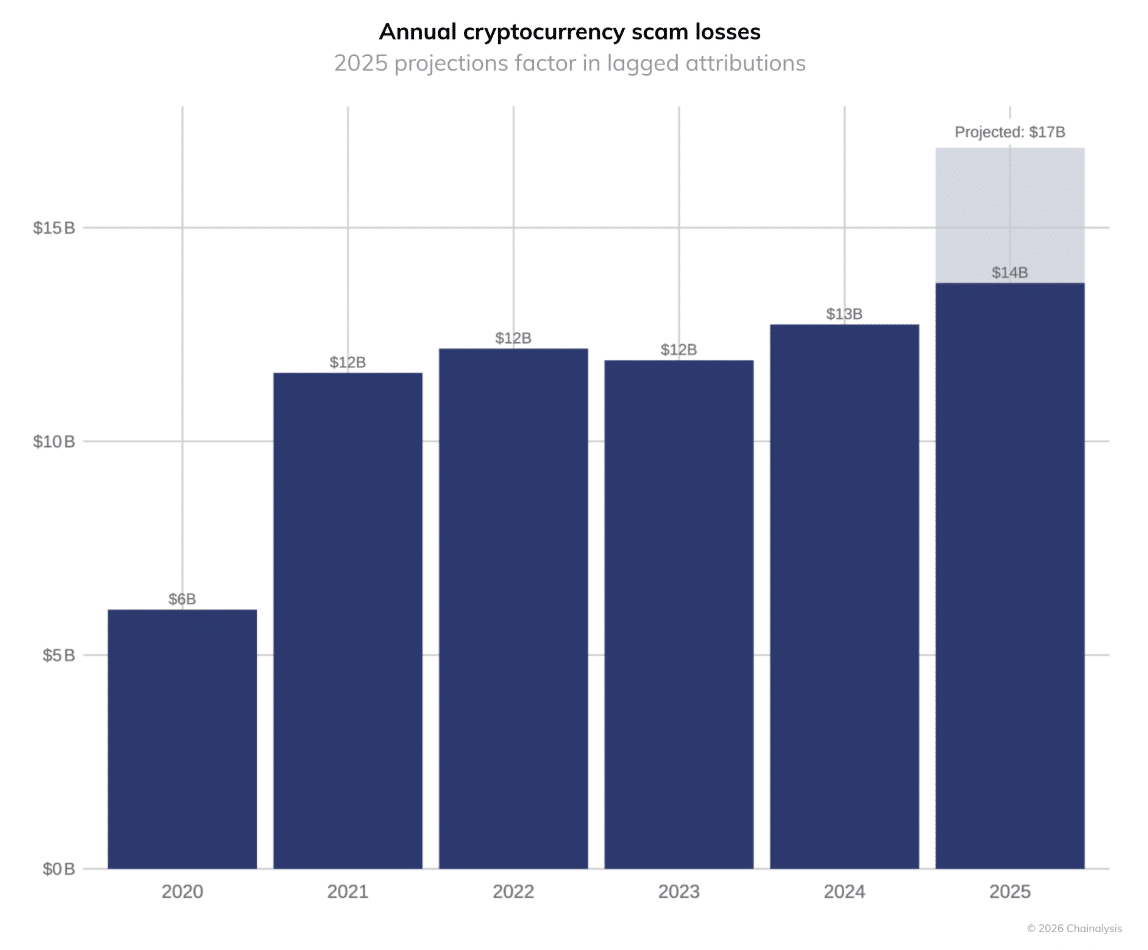
In 2025, scammers received the equivalent of roughly $14 billion in cash, according to blockchain analytics firm Chainalysis. Investigators later linked more than $17 billion to illicit wallets.
These numbers highlight the increasing magnitude of crypto fraud. Criminal networks continue to evolve. They will target users with advanced tools and global reach.
Legitimate Market Growth Continues
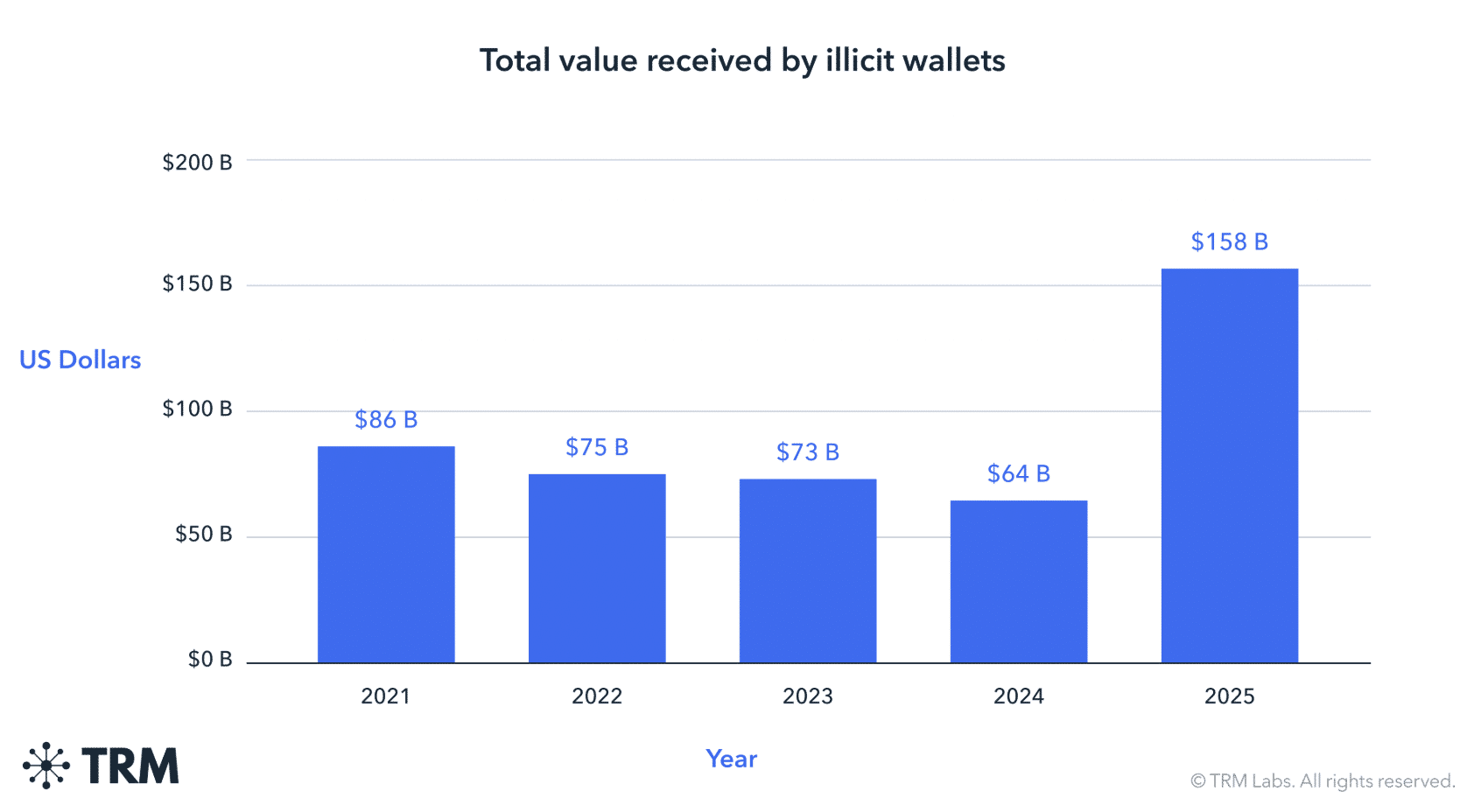
The wider market stays robust despite increasing fraud. According to TRM Labs, illegal activity amounted to $158 billion last year. But this represented only around 1.2% of total activity.
This means legal consumption is growing more rapidly. The crypto ecosystem continues to expand. Fraud, however, is still a major hurdle for regulators.
User Awareness Remains Essential
Authorities pointed to user behavior as a contributing factor. A lot of scams start out with innocent errors. These can be clicking unrecognized links or approving dubious transactions.
They were told to check platforms and not go for unrealistic offers. Simple measures can lower your risk of crypto fraud. Education remains a critical tool.
Conclusion
Operation Atlantic represents a major advancement in international enforcement. It shows that authorities are responding to a new challenge. Faster coordination can improve outcomes for victims.
However, risks remain. As tech advances, so too do crypto scams. Ongoing cooperation and vigilance among users will be key to avoid further losses.


Appendix: Glossary of Key Terms
Fraud in Crypto: Illicit operations that leverage digital assets to embezzle money or defraud investors.
Approval Phishing: A victim is fooled into approving a wallet for an attacker.
Crypto Wallet: A digital app / service] that is used to store and facilitate the sending and receiving of cryptocurrencies.
Private Key: A secured code that has total control over a crypto wallet.
Investment Scam: A scam that involves offering a victim high return rates on investments.
Blockchain analytics: The act of tracking and analyzing on-chain transactions.
Adverse Activity: Transactions that occur without authorization or conflict with law within the crypto ecosystem.
Frquently Asked Questions About Crypto Fraud
1- What is Operation Atlantic?
It is a combined initiative, from the U.S., UK and Canada, to combat crypto fraud in a collaborative manner by means of coordinated enforcement and prevention.
2- What is approval phishing?
This is a scam that waits for users to give up access to wallets, and it steals funds from attackers.
3- Why is cross–border cooperation needed?
Some crypto fraud schemes span several countries, so joint action is needed.
4- How much has been scammed out of these pools?
Around $14 billion were siphoned into the scammers’ pockets in 2025, according to reports.
References