This article was first published on TurkishNY Radio.
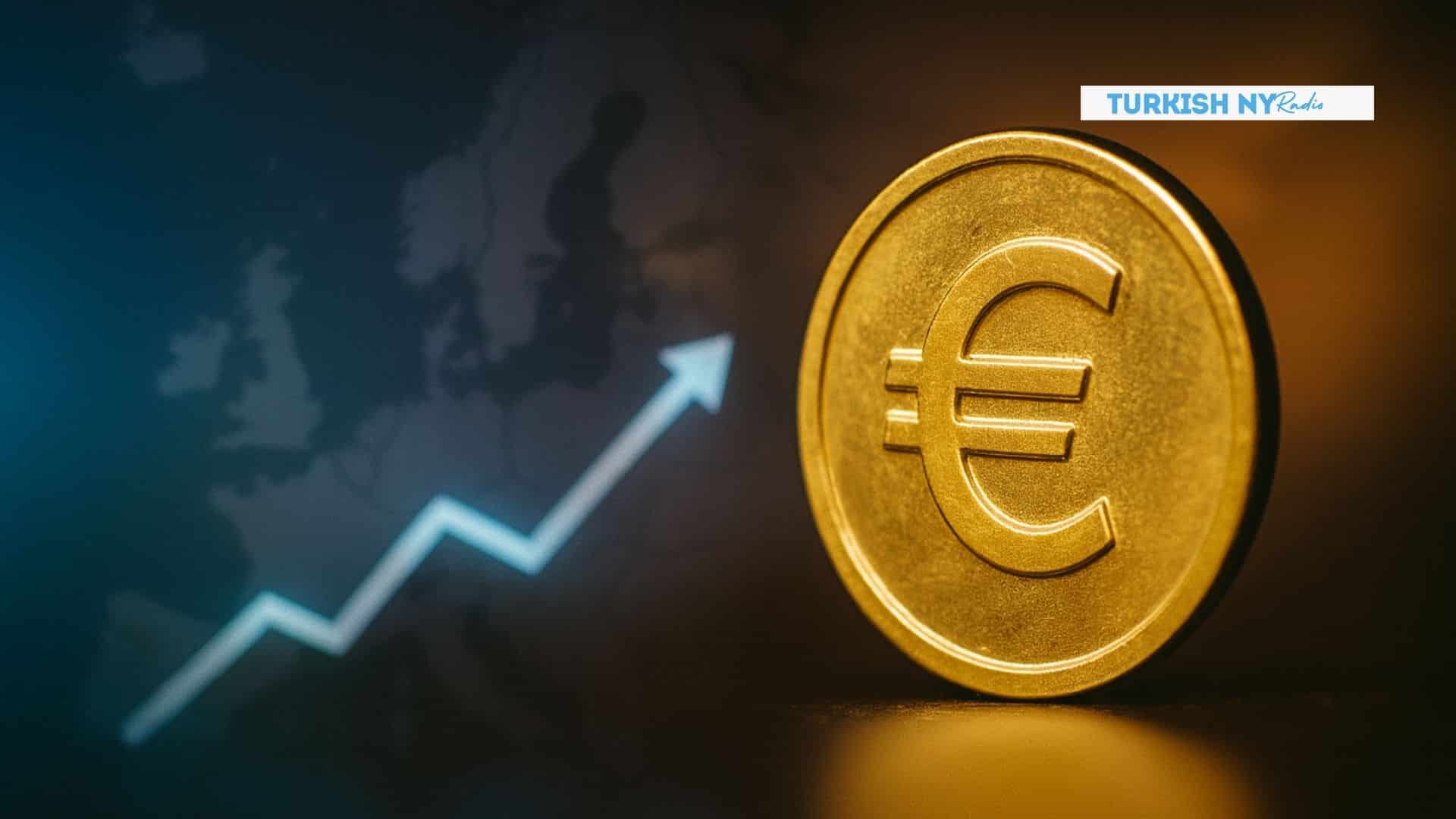
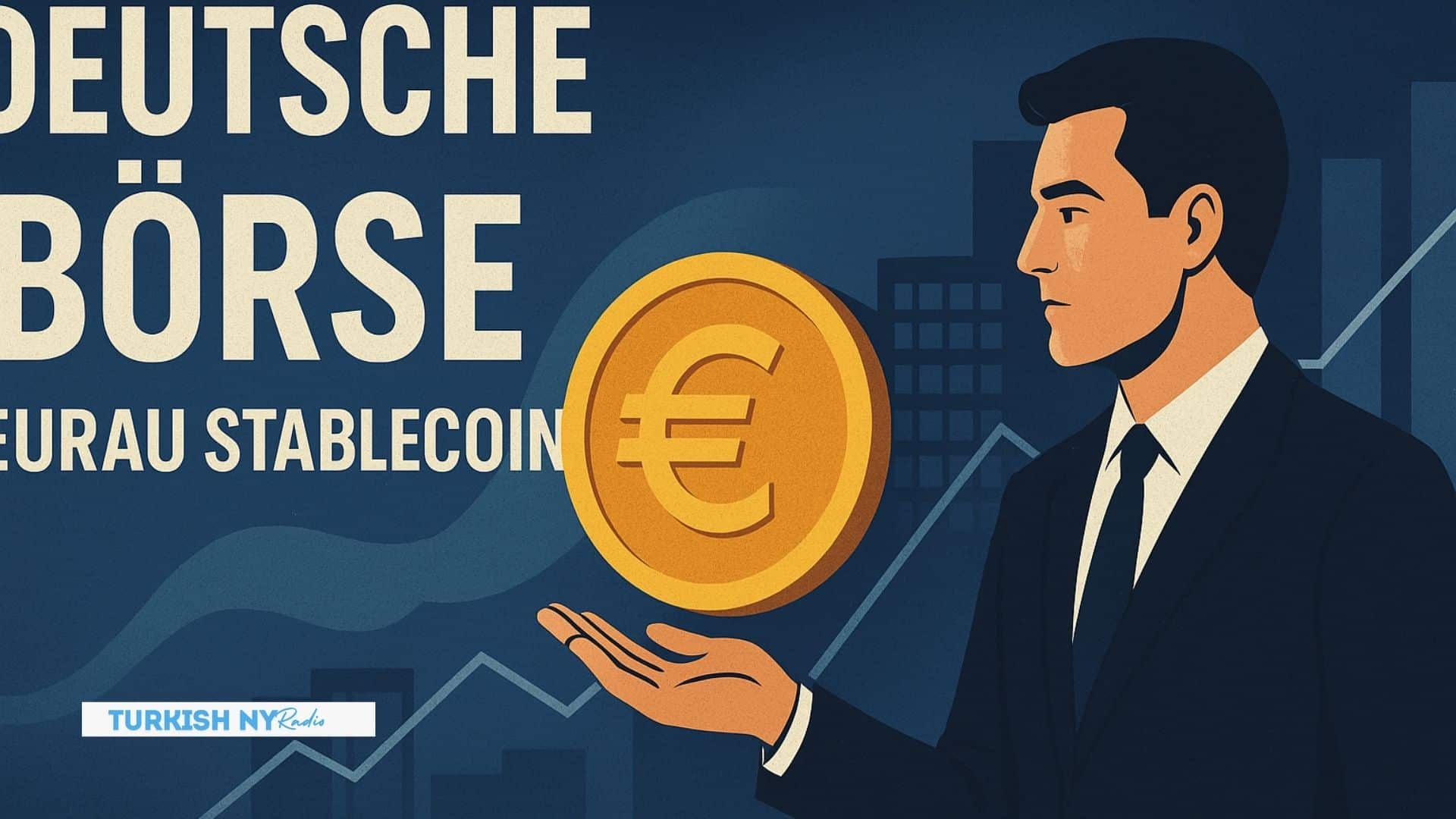
Europe’s financial landscape is undergoing a quiet but meaningful transformation, and at the center of this shift is the EURAU stablecoin. Deutsche Börse, one of Europe’s most influential financial market operators, has taken a major step by embracing regulated digital assets designed for institutional use.

As the region adapts to stronger regulatory frameworks and growing interest in blockchain-driven settlement systems, the EURAU stablecoin is emerging as one of the continent’s most credible digital currency tools.
It intends to provide institutions with a more effective, transparent, and safe mechanism to move assets on-chain while preserving compatibility across European markets. It was established under a rigorous regulatory framework and is backed 1:1 with euros.
A Strategic Move for Institutional Markets
Deutsche Börse’s decision to integrate the EURAU stablecoin signals more than just a technological upgrade; it reflects a broader commitment to modernizing the infrastructure that underpins Europe’s financial system. By connecting EURAU to Clearstream’s custody services, the exchange operator demonstrates confidence in tokenized financial services and the role they may play in future settlement models.
A representative from the market operator described the initiative this way: “Our goal is to build a settlement environment fit for tomorrow. Tools like the EURAU stablecoin give us the flexibility and reliability institutions expect.”
Also read: UK Stablecoin Regulation Sparks Outrage: Why the BoE Limits Are Alarming
Enhancing Europe’s Regulatory Leadership
Europe is continually revising its regulatory environment for digital goods, and the EURAU stablecoin slots well into this changing scenario. It comes under a German e-money license and adheres to MiCAR criteria, providing institutions with a digital asset that is known, trustworthy, and legally sound.
Analysts describe its arrival as an important milestone for Europe’s digital finance ambitions. One industry expert noted, “Stablecoins with transparent backing and full regulatory oversight are essential for scaling tokenized financial markets across Europe.”
With secure reserves and clear reporting obligations, the EURAU stablecoin positions itself as a natural choice for institutions seeking a dependable euro-denominated digital instrument.
Reaching Across Blockchains Through Interoperability
To expand its utility, the EURAU stablecoin has launched across multiple leading blockchain networks using Chainlink’s cross-chain technology. By supporting platforms such as Ethereum, Solana, Polygon, Base, Arbitrum, and Optimism, EURAU becomes easier to access and integrate into both institutional workflows and emerging decentralized-finance ecosystems.
This multi-chain design isn’t just a technical upgrade, it ensures the EURAU stablecoin can participate in diverse liquidity environments and adapt to the growing demand for cross-chain financial applications.
Setting the Stage for Tokenized Finance
With tokenized wealth gaining acceptance, institutions are seeking for reliable payment and settlement solutions. The EURAU stablecoin fills that need by providing programmable, euro-backed digital currency produced under regulatory control. The presence of Deutsche Börse adds respectability and lays the groundwork for widespread adoption throughout Europe’s financial markets.
Early industry comment shows that projects like these might hasten the region’s transition to entirely digital settlements transit, through the EURAU stablecoin acting as a practical link between current market frameworks and future blockchain-mediated systems.
Conclusion
Deutsche Börse’s integration of the EURAU stablecoin represents an important step toward a more modern, efficient, and interconnected European financial system. By combining regulatory confidence with the advantages of blockchain technology, EURAU offers institutions a digital asset that aligns with both compliance expectations and the demand for faster settlement options.
Its multi-chain availability and transparent structure also make it a compelling tool for the expanding world of tokenized assets. As Europe advances deeper into digital finance, initiatives like this will help define how value moves across the markets of tomorrow.
Also read: Rupee-Backed Stablecoin Could Transform Pakistan’s Financial System, Experts Say
Glossary of Key Terms
Stablecoin – A digital currency designed to maintain a stable value, typically pegged to a fiat currency like the euro or dollar.
MiCAR – The EU’s regulatory framework governing crypto-assets, ensuring transparency, oversight, and consumer protection.
Tokenization – The process of converting real-world assets into digital tokens on a blockchain.
Custody – Secure management and storage of digital or traditional financial assets.
Interoperability – The ability for digital assets and systems to interact across different blockchains.
FAQs for EURAU Stablecoin
1. What makes EURAU different from other stablecoins?
EURAU is fully euro-backed, issued under a German e-money license, and compliant with MiCAR regulations.
2. Why is Deutsche Börse adopting EURAU?
To modernize settlement processes and support the growing demand for regulated digital asset infrastructure.
3. Is EURAU safe for institutional use?
Yes, it is fully reserved, regulated, and designed specifically for institutional-grade applications.
4. On which blockchains is EURAU available?
EURAU operates across Ethereum, Solana, Polygon, Base, Optimism, and Arbitrum.


5. How will EURAU impact Europe’s financial system?
It may accelerate digital settlement, enhance efficiency, and support the expansion of tokenized financial markets.
Sources