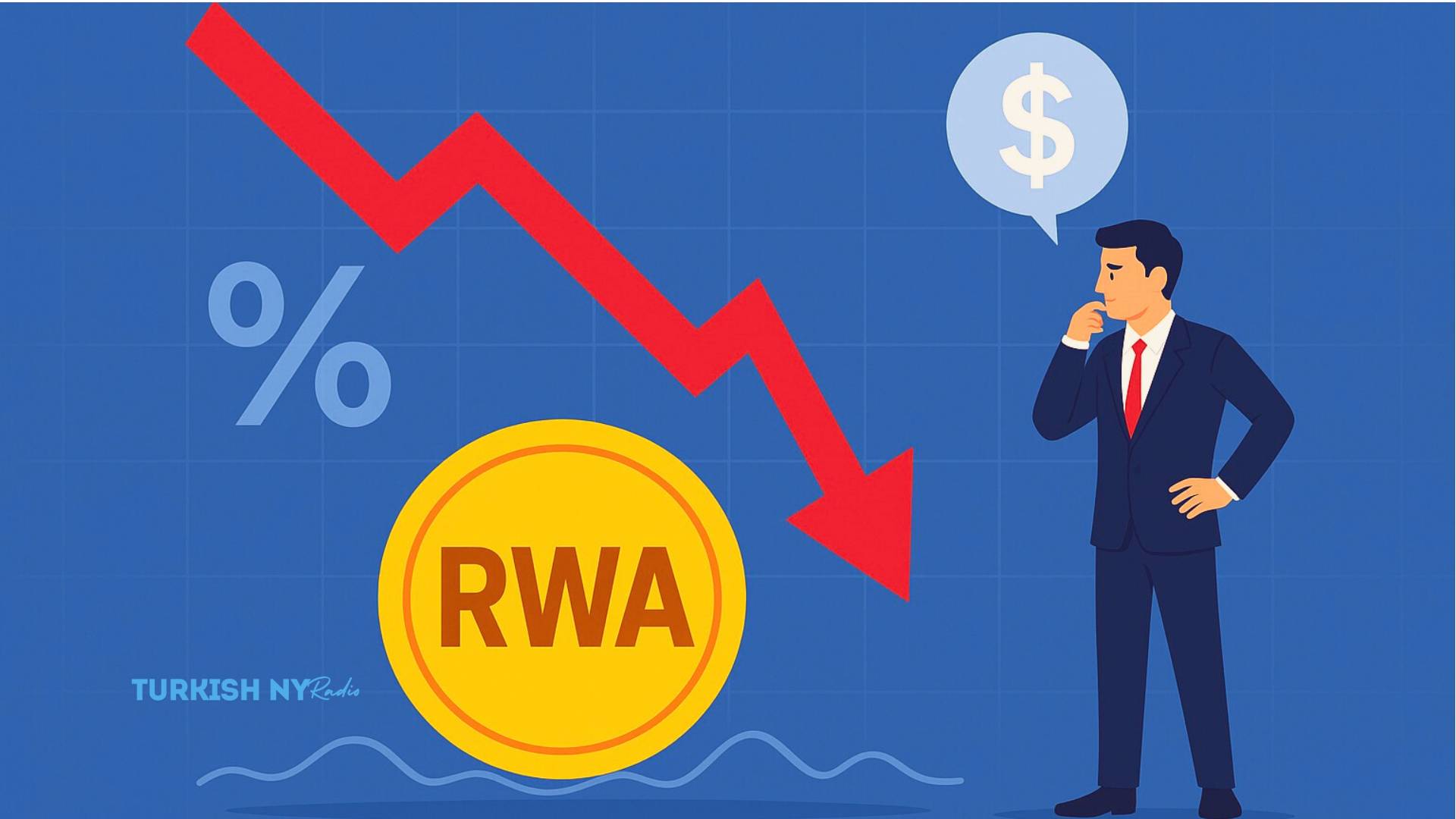
When Beijing quietly advised brokerages to pause real-world asset (RWA) tokenization projects in Hong Kong, the impact spread far beyond regulatory circles.
Traders, developers, and policymakers are now left wondering: has Hong Kong’s digital finance push run into a dead end, or is this simply a pause before stricter guardrails are introduced?

The decision shows the fine line China is trying to walk between fostering innovation and managing risks in the fast-moving world of blockchain finance.
Why RWA Tokenization Matters
RWA tokenization turns traditional assets, such as property, bonds, or stocks, into blockchain-based tokens that can be traded, fractionally owned, or leveraged.
Hong Kong had been positioning itself as a leading hub for this innovation, hoping to draw global institutions and improve capital efficiency. Beijing’s latest move sends a cautious signal, even as major players worldwide accelerate their tokenization experiments.
Beijing’s Concerns
The China Securities Regulatory Commission (CSRC) issued informal instructions to mainland brokerages to stop work on RWA tokenization in Hong Kong.
Insiders suggest this is not a permanent ban but a precaution. The main concerns are risk control, regulatory oversight, and financial stability.
“China wants to make sure tokenized products are backed by real, verifiable assets, not just another form of shadow banking,” financial analyst Chen Rong told the South China Morning Post.

Hong Kong Pushes Back
For Hong Kong, the news is a setback. The city has been building an ecosystem for tokenization, with regulators such as the HKMA and the Securities and Futures Commission (SFC) creating rules for tokenized deposits, stablecoins, and digital securities.
Now, progress could slow. “Hong Kong has spent years preparing for this moment, and suddenly the brakes are on,” fintech entrepreneur Adrian Cheng wrote on X. “We can’t lead in digital finance if every move requires Beijing’s approval.”
Global Context and Market Impact
The pause comes as institutions like JPMorgan and BlackRock expand their tokenization pilots. Rivals such as Singapore, Dubai, and London may benefit if Hong Kong loses momentum.
Markets reacted quickly. Shares of Guotai Junan International and GF Securities fell, while companies like Seazen, which planned to tokenize assets in Hong Kong, may need to rethink strategies.
What Comes Next?
Experts argue this is not the end but a checkpoint. Regulators are expected to demand stronger disclosures, more transparency, and tighter oversight before giving tokenization the green light again.
“This halt signals maturity, not retreat,” said Dr. Michael Sung of the Hong Kong Digital Finance Center. “Authorities want to make sure the foundation is stable before allowing scale.”
Conclusion
China’s pause on RWA tokenization in Hong Kong highlights the tension between innovation and regulation. Confidence may take a short-term hit, but the move points to Beijing’s long-term goal of ensuring sustainable digital finance.
For Hong Kong, this is less of an ending and more of an opportunity to refine its frameworks before re-emerging as a global leader in tokenized assets.
For more news, visit our platform.


FAQs
1. What is RWA tokenization?
It is the process of converting physical or traditional assets into blockchain-based tokens.
2. Why did China pause tokenization in Hong Kong?
To address risks around financial stability, oversight, and asset verification.
3. How does this affect Hong Kong’s ambitions?
It temporarily slows progress, but most experts expect a comeback under tighter rules.
4. Will tokenization resume in Hong Kong?
Yes, analysts believe it will return with clearer regulations and stronger compliance requirements.
Glossary
-
RWA (Real-World Asset): Traditional financial or physical asset like property, bonds, or stocks.
-
Tokenization: Converting assets into digital tokens on blockchain.
-
CSRC: China Securities Regulatory Commission, mainland China’s securities regulator.
-
HKMA: Hong Kong Monetary Authority, Hong Kong’s central banking body.