![Sun [New]](https://s2.coinmarketcap.com/static/img/coins/64x64/10529.png)


This article was first published on TurkishNY Radio.
CFTC Chair Michael Selig has taken a firm stance against state lawsuits targeting federally registered crypto exchanges. He said the agency will no longer remain passive while states challenge products that fall under federal derivatives law.


Michael Selig confirmed the agency filed a friend-of-the-court brief in support of Crypto.com at the Ninth U.S. Circuit Court of Appeals. The filing responds to growing state litigation against exchanges such as Polymarket, Kalshi, and Coinbase.
State Lawsuits Challenge Federal Oversight of Event Contracts
According to a report, nearly 50 state-level cases are now pending. The disputes focus on whether event contracts qualify as regulated swaps or illegal gambling products.
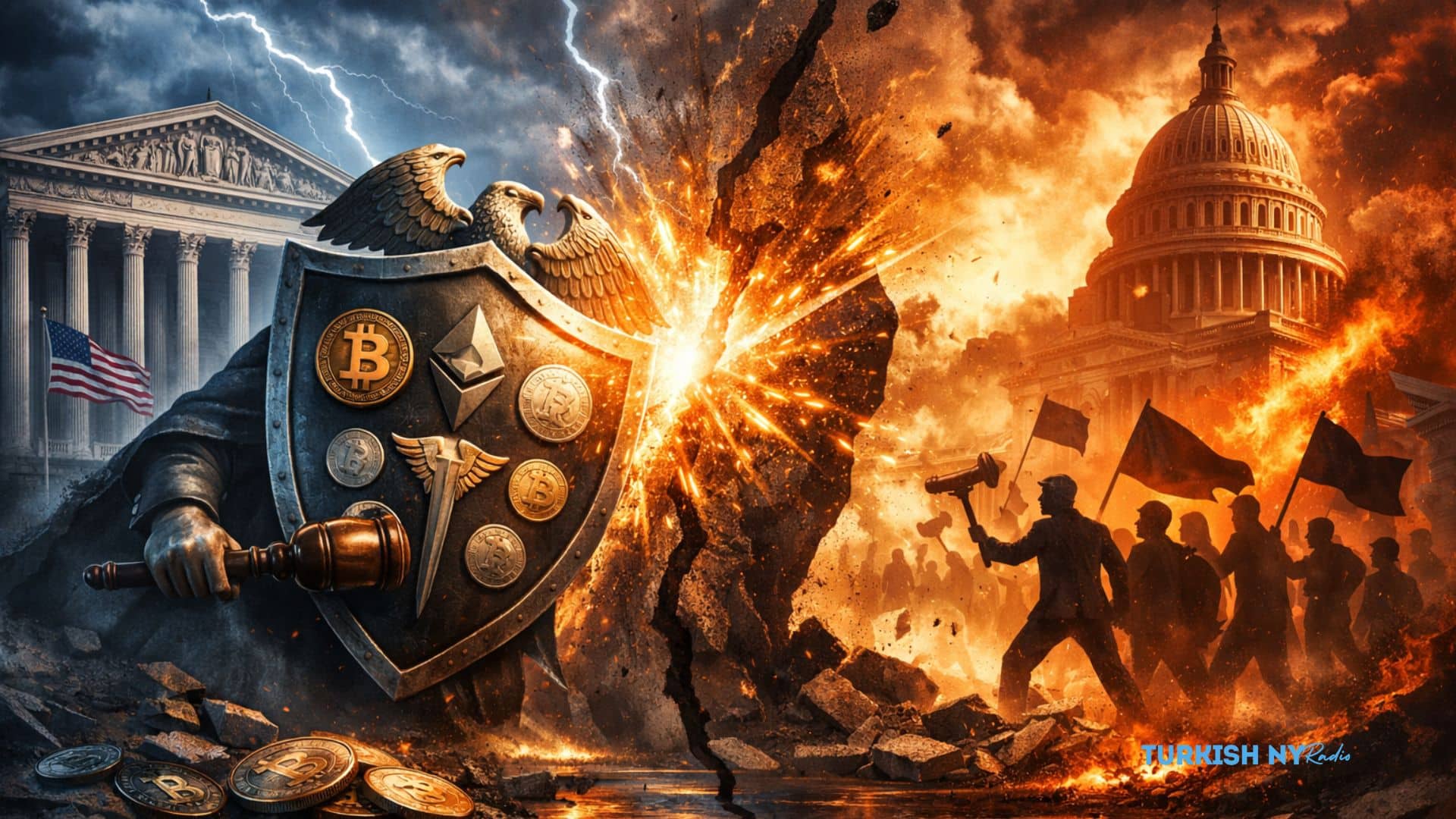
The action by Michael Selig reflects rising tension between federal regulators and state authorities. The Commodity Futures Trading Commission oversees derivatives markets under the Commodity Exchange Act.
States argue that certain event contracts resemble wagering. Federal officials maintain that Congress granted the CFTC exclusive jurisdiction over these instruments. The outcome could shape the future of prediction markets in the United States.
Federal Jurisdiction at the Center
CFTC Chair Michael Selig stressed that event contracts fall within the agency’s authority. He said the Commodity Exchange Act defines swaps broadly. Under that definition, event contracts qualify as derivatives.
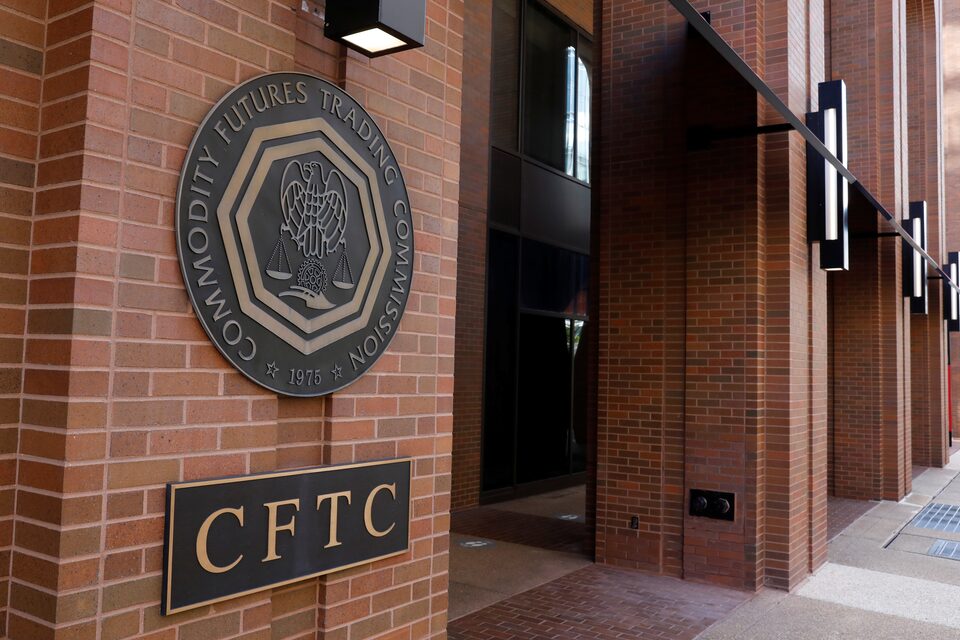
He warned that state-level bans would undermine federal oversight. Uniform national standards are central to derivatives regulation. Fragmented rules could disrupt market stability. His comments signal that the CFTC intends to assert its mandate in court.
Support for Crypto.com
The agency’s first move is its filing in support of Crypto.com. The case is before the Ninth Circuit. The brief argues that state restrictions conflict with federal law.
CFTC Chair Michael Selig described the filing as a defense of congressional intent. He said exchanges registered with the CFTC operate under strict compliance standards. They are supervised by experienced regulatory staff.
He rejected claims that such platforms operate without oversight.
Gambling Allegations Challenged
Many state lawsuits claim event contracts amount to gambling. Regulators at the state level argue that contracts tied to political or economic outcomes resemble bets.
CFTC Chair Michael Selig disagreed. He said event contracts serve legitimate economic purposes. These instruments allow hedging against specific risks. He argued that labeling them as gambling misrepresents their function.
Economic Role of Event Contracts
CFTC Chair Michael Selig pointed to practical use cases. Farmers may hedge against weather risks. Businesses can manage exposure to tax policy or energy prices.
He said these tools generate price signals about future conditions. That function supports risk management and market efficiency.
Derivatives markets have long played this role in the U.S. economy. Futures and swaps once faced skepticism as well. Over time, Congress affirmed federal oversight.
Broader Policy Context in Washington
The legal clash unfolds as lawmakers debate the Digital Asset Market Clarity Act. The Senate Agriculture Committee advanced its section earlier this year. The Senate Banking Committee’s portion remains stalled.
The bill seeks to clarify the roles of the CFTC and the Securities and Exchange Commission. Until legislation passes, agencies rely on existing statutes.
CFTC Chair Michael Selig framed the current intervention as consistent with congressional authority already in place.
Innovation Advisory Committee Expansion
The CFTC recently expanded its Innovation Advisory Committee to 35 members. The committee now includes leaders from major crypto firms.
 This expansion reflects closer engagement with industry stakeholders. It also signals the agency’s intent to guide emerging markets rather than restrict them. CFTC Chair Michael Selig has positioned the agency as both regulator and participant in innovation dialogue.
Market Response and Industry Impact
Shares of Coinbase crept slightly higher in after-hours trading after the announcement. The stock had already gained on strong earnings. Retail investor sentiment remained elevated. But analysts say uncertainty could be created by continued litigation.
Conclusion
CFTC Chair Michael Selig has made clear that the agency will actively defend its jurisdiction. The friend of the court filing marks the start of a more assertive federal approach.The dispute highlights long-standing tension between state regulators and federal oversight bodies.
For exchanges and investors, the outcome could define how prediction markets operate in the United States. The message from federal regulators is direct. The CFTC intends to stand firm and protect its authority under the law.
Glossary of Key Terms
Event Contracts: Derivatives linked to the results of specific events ie: elections or economic data announcements.
Commodity Exchange Act (CEA): The law that provides regulation of U.S. derivatives markets and grants the CFTC powers.
Swap: A type of financial derivative in which parties agree to exchange cash flows or risk.
Amicus Brief: A legal brief filed by an eric-party in a court case under special leave from the court to give additional information and argument.
Federal Jurisdictions: Power of the law given to a federal commission to regulate certain markets or conduct across the US.
Prediction Markets: Websites where people can buy and sell contracts relating to the likelihood of forthcoming events.
Derivatives Market A market in which contracts are traded whose value is based on the value of other things, rather than being exchanged for goods or services.
Frequently Asked Questions CFTC Chair Michael Selig
1- Why is CFTC Chair Michael Selig filing court briefs?
He is defending federal jurisdiction over event contracts challenged by state governments.
2- What are event contracts?
They are derivatives tied to specific outcomes, such as economic data or policy changes.
3- Why are states opposing them?
Some state regulators argue they resemble gambling and fall under local laws.
4- How could this affect crypto exchanges?
A clear federal ruling may provide consistent national standards. State victories could lead to fragmented rules.
References