

![Sun [New]](https://s2.coinmarketcap.com/static/img/coins/64x64/10529.png)


![BitTorrent [New]](https://s2.coinmarketcap.com/static/img/coins/64x64/16086.png)


This article was first published on TurkishNY Radio.
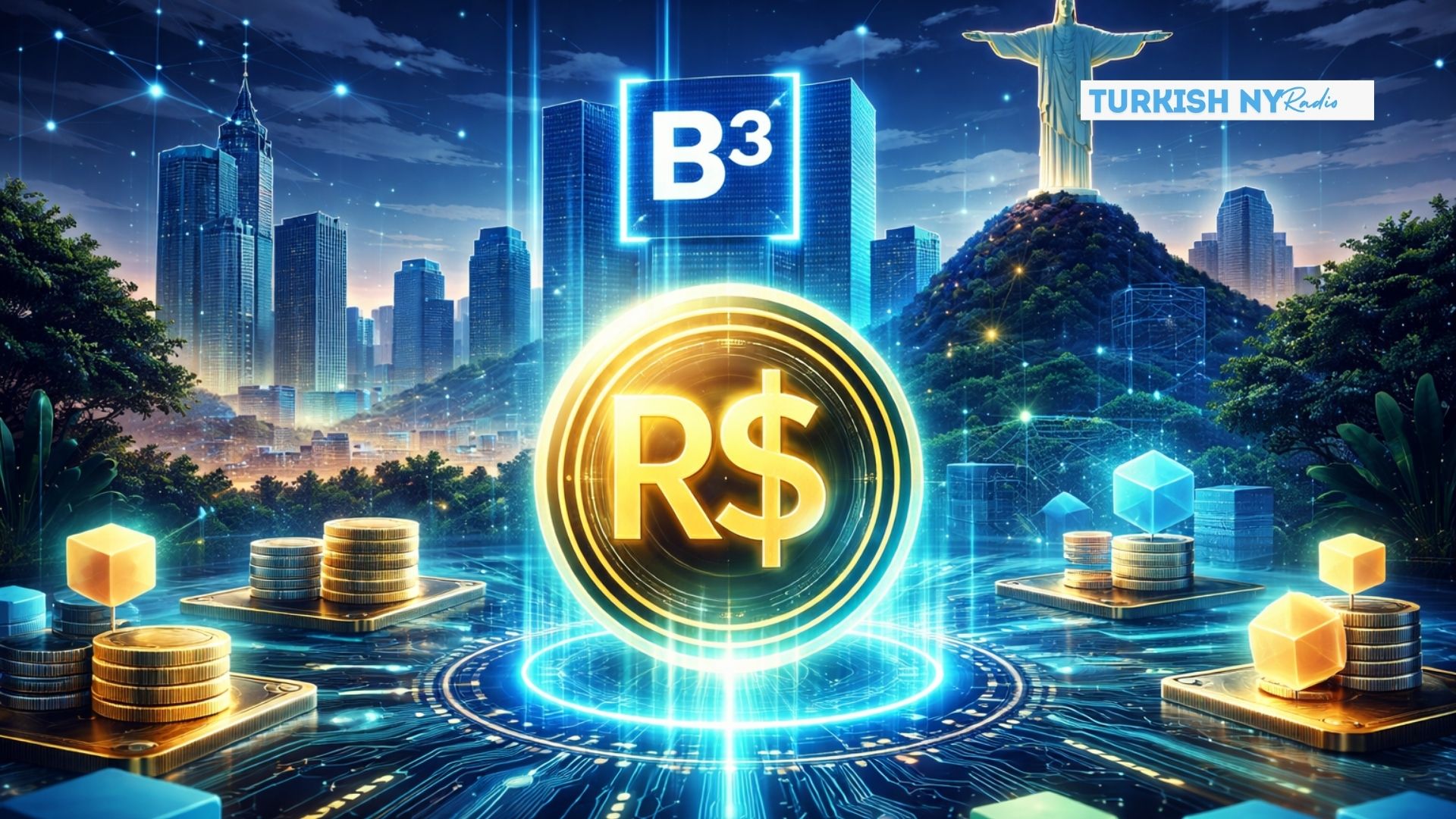
Brazil’s financial markets are poised for a significant shift. In a move that combines long-standing market trust with rising technology, B3, the country’s largest stock exchange, has revealed intentions to launch the Brazil tokenization platform in 2026.


Rather than chasing hype, the project adopts a cautious, realistic approach to blockchain adoption, focusing on real-world applications within regulated capital markets.
For consumers, financial institutions, and fintech developers, this move indicates that tokenization of wealth in Brazil is progressing beyond testing and into real-world applications.
Bringing Traditional Assets On-Chain
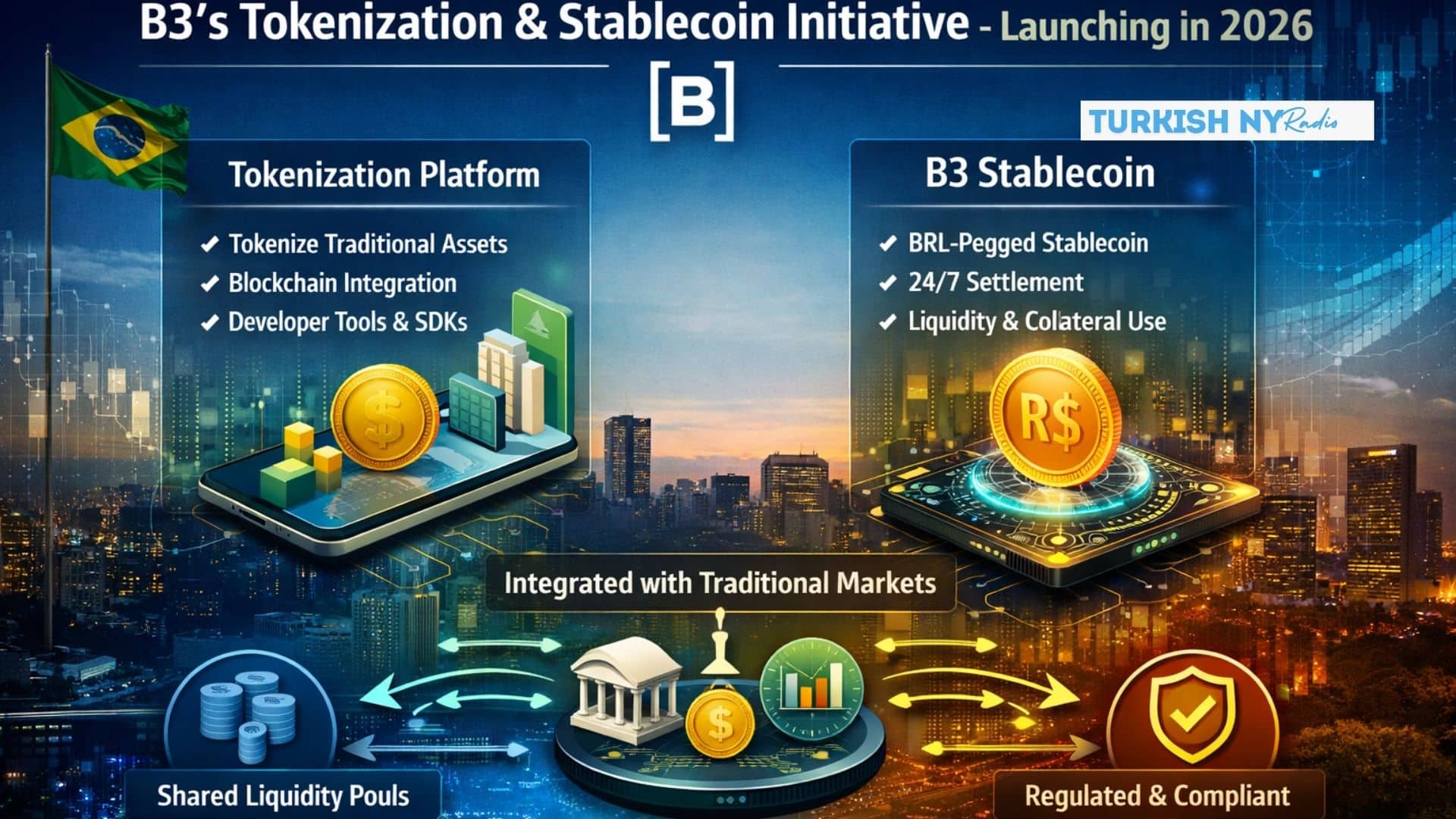
At its core, the Brazil tokenization platform is designed to convert traditional financial instruments into blockchain-based tokens. Stocks, bonds, and investment funds could all be represented digitally, while still remaining fully compliant with Brazil’s regulatory framework.
Also read: How RWA Tokenization Is Bridging Traditional Finance and Blockchain in 2025
What makes this initiative stand out is B3’s decision to integrate tokenization into its existing infrastructure rather than create a parallel system. This means market participants would not have to choose between traditional and digital rails, both would work together.
A Stablecoin Built for Market Settlement
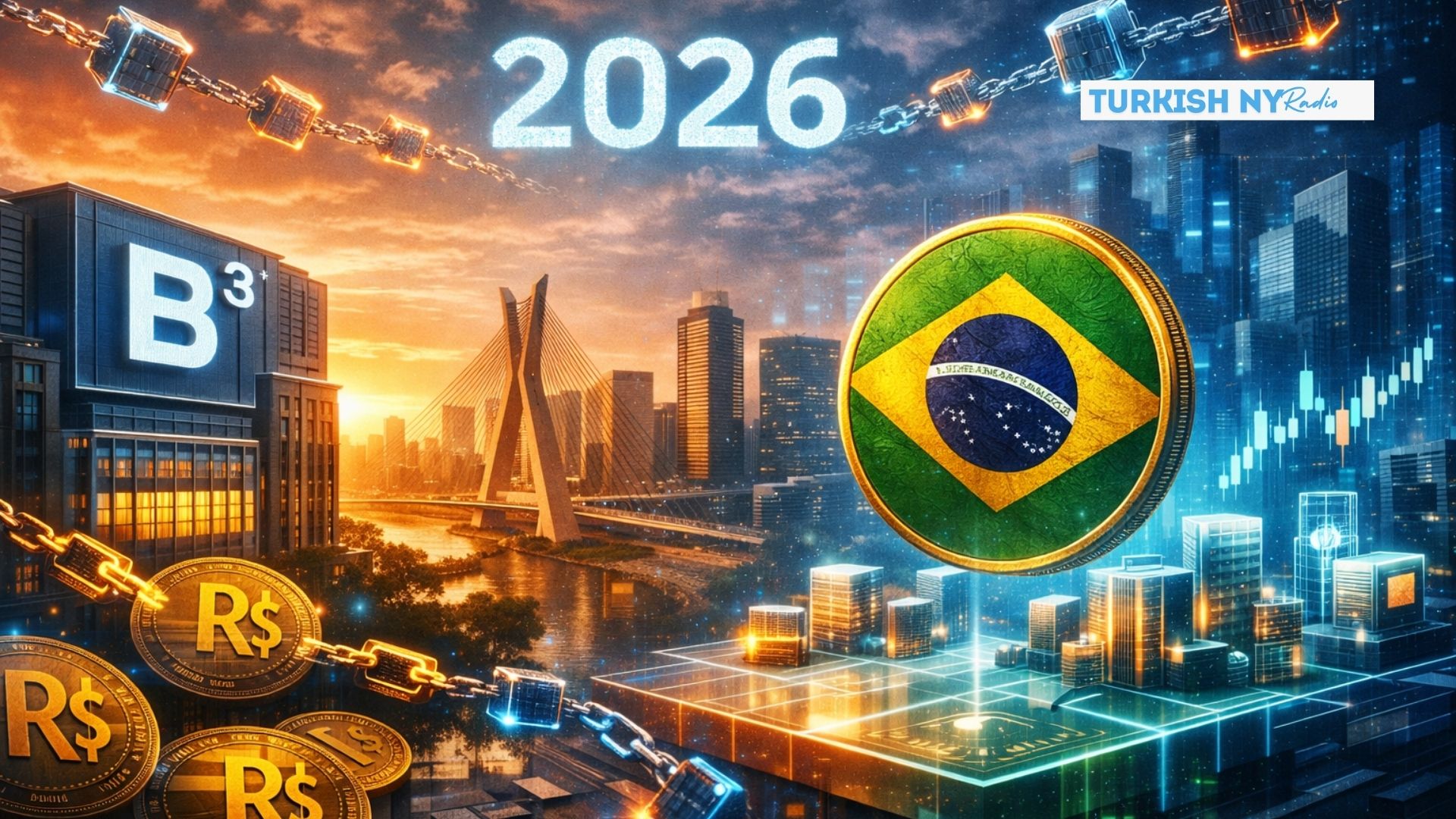
Another central pillar of the Brazil tokenization platform is the planned launch of a stablecoin pegged to the Brazilian real. The idea is simple but powerful: enable faster, more efficient settlement of trades using a digital currency that maintains price stability.
Currently, settlement in traditional markets can take days. By using a blockchain-based settlement asset, B3 hopes to shorten this timeline significantly, improving liquidity and reducing operational friction. As one executive explained in public remarks, the goal is “to modernize how assets move, without disrupting trust.”
Opening Doors to Innovation
Beyond trade and migration, the Brazil tokenization platform is designed to foster a larger ecosystem of innovation. Entrepreneurs, financiers, and other asset managers may have access to tools that enable them to create new financial products based on tokenized assets.
This might result in specific advantages such as ownership fractions, automatic audits for compliance, and real-time inventory reporting. This infrastructure has the potential to serve as a framework for the next generation of financial services in Brazil’s thriving fintech sector.
Regulation First, Technology Second
Timing matters, and B3 appears keenly aware of that. The Brazil tokenization platform is planned for 2026, giving regulators, institutions, and investors time to align expectations and frameworks. Brazil’s securities regulator, the CVM, has already been active in shaping digital asset rules, and this project fits squarely within that regulated vision.
Rather than challenging oversight, B3 is positioning tokenization as a tool to strengthen transparency and market integrity.


Conclusion
If executed as planned, the Brazil tokenization platform could quietly redefine how capital markets operate in the country. By focusing on practical benefits instead of speculation, B3 is making a long-term bet on blockchain as core financial infrastructure. The real test will come after launch, but the direction is clear: tokenization in Brazil is becoming part of the mainstream.
Also read: Tokenization Market Set to Hit $16 Trillion by 2030: Institutions Drive the RWA Boom
Summary
The Brazil tokenization platform announced by B3 marks a significant step toward merging blockchain technology with traditional finance. Set for a 2026 launch, the initiative will support tokenized financial assets and a Brazilian real–backed stablecoin to improve settlement efficiency and liquidity. By working within existing regulations and market systems, B3 aims to modernize capital markets without sacrificing trust, potentially positioning Brazil as a regional leader in regulated digital finance.
Glossary of Key Terms
Tokenization: Is the process of converting tangible finances into blockchain-based digital representations.
Stablecoin: Is an online payment system that is meant to keep its value consistent and is frequently connected to fiat money.
Settlement: Is the process of concluding a deal by transferring items and payments.
Capital markets: Are monetary exchanges that issue and exchange securities such as stocks and bonds.
Blockchain: Is an open ledger used to securely and transparency record transactions.
FAQs for Brazil Tokenization Platform
1. Who the heck is starting the tokenization venture?
B3, Brazilian’s primary stock market, is spearheading the effort.
2. Which is the projected debut date?
The system is scheduled to start active in 2026.
3. Can typical investors be allowed to participate?
Specifics are still being developed, but the network is planned to facilitate widespread accessibility to markets over time.
4. How is this related to Brazilian central bank projects?
No, because this is a privately funded project that follows national regulatory norms.
5. What makes is this significant for the international market?
It demonstrates how major, regulated exchanges can utilize blockchain while maintaining traditional protections.