Brazil is on the brink of making financial history. The nation’s Parliament is actively debating a proposal to establish a Brazil Bitcoin Reserve, potentially allocating up to 5% of its foreign reserves into Bitcoin.
With reserves valued at roughly $340 billion, this would represent a $17–19 billion bet on the world’s leading cryptocurrency. Supporters see it as a bold step toward digital sovereignty, while critics warn of volatility and systemic risks.


Brazil Bitcoin Reserve: A National Strategic Proposal
The Brazil Bitcoin Reserve initiative stems from Bill 4501/2024, introduced by Federal Deputy Eros Biondini. If passed, it would allow Brazil to gradually accumulate Bitcoin as part of its international holdings. The move follows a public hearing on August 20, 2025, where lawmakers, economists, and crypto experts gathered to discuss the implications.
Deputy Luiz Philippe de Orleans e Bragança called the proposal “an opportunity for Brazil to lead the digital economy, not follow it.” Critics, however, emphasize that Bitcoin’s volatility could expose Brazil’s reserves to significant risks.
Concerns from Regulators
Officials at the Central Bank, including Luis Guilherme Siciliano, have expressed skepticism. “Bitcoin is not a traditional reserve asset,” Siciliano said, noting that liquidity and regulatory oversight remain unresolved. The bank favors a cautious approach, warning that the Brazil Bitcoin Reserve could strain financial stability if global prices swing dramatically.



Bitcoin News announced that Brazil’s Parliament will hold its first hearing on the National Strategic Bitcoin Reserve on August 20, 2025.formerly Twitter
Safeguards in the Proposal
To address these concerns, the bill outlines strict guidelines. Purchases would be phased over time, with assets stored in cold storage wallets under government custody. Biannual reports would ensure transparency, while misuse or negligence could carry criminal liability. The Brazil Bitcoin Reserve framework even includes AI-based monitoring to track market conditions.
Global Context of National Bitcoin Reserves
If the Brazil Bitcoin Reserve is established, it would surpass El Salvador’s holdings by a wide margin, making Brazil one of the largest sovereign Bitcoin owners. With Latin America already emerging as a leader in crypto adoption, this could shift global financial dynamics. Some analysts argue it may encourage other emerging economies to diversify reserves with digital assets.
Conclusion
The debate over the Brazil Bitcoin Reserve is far from over. Supporters view it as a long-term hedge and a symbol of digital sovereignty. Critics worry about volatility, liquidity, and systemic risk. As Parliament continues discussions, the world watches closely, because if Brazil embraces Bitcoin, it could change the landscape of global finance.
Also read Thailand crypto payments
Summary
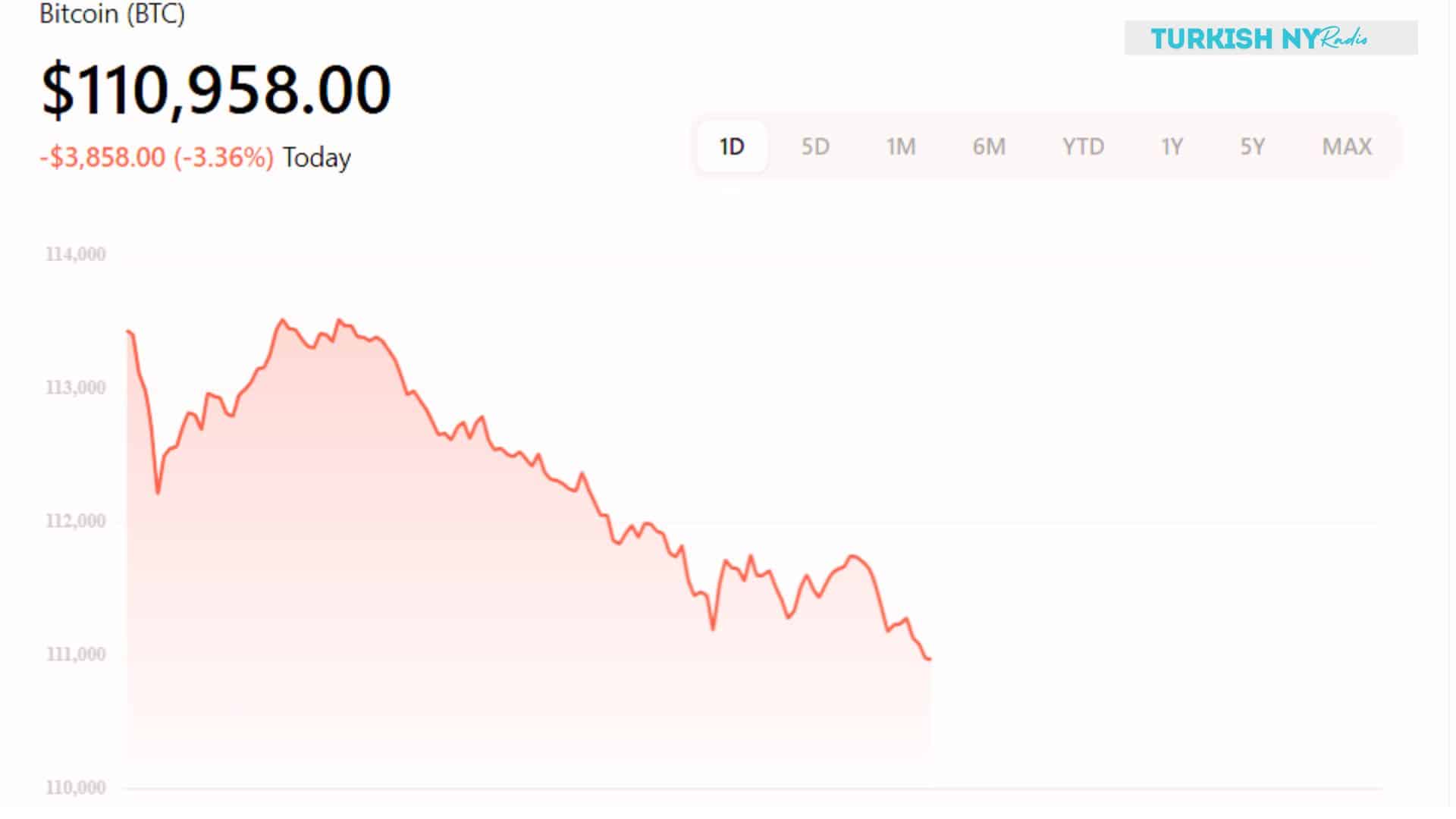
Brazil’s Parliament is considering the creation of a Brazil Bitcoin Reserve, allocating up to 5% of its international reserves (worth $17–19 billion) into Bitcoin. The proposal, Bill 4501/2024, has sparked heated debate between lawmakers, economists, and the Central Bank. Supporters argue it boosts digital sovereignty, while critics warn of volatility. Bitcoin’s price rose to $111,093 as speculation builds. If passed, Brazil would become one of the world’s largest sovereign Bitcoin holders, setting a precedent for emerging economies.
FAQs on Brazil Bitcoin Reserve
1. What is the Brazil Bitcoin Reserve?
It’s a proposal to allocate up to 5% of Brazil’s foreign reserves into Bitcoin, amounting to about $17–19 billion.
2. Who introduced the proposal?
Federal Deputy Eros Biondini introduced Bill 4501/2024 to Parliament.
3. Why is this significant?
It could make Brazil one of the largest sovereign Bitcoin holders and signal a shift in global reserve strategies.
4. What are the risks?
Bitcoin’s volatility, liquidity constraints, and regulatory uncertainties are the main concerns.
5. How has the market reacted?
Bitcoin prices rose to $111,093 on August 25, 2025, partly influenced by the news.
Glossary of Key Terms
Bitcoin (BTC): A decentralized digital currency and the first widely adopted cryptocurrency.
Foreign Reserves: Assets held by a nation’s central bank to back liabilities and stabilize currency.
Cold Storage: Offline storage of digital assets for enhanced security.
Volatility: The degree of variation in trading prices over time.
Digital Sovereignty: The concept of a nation controlling its digital infrastructure and assets.