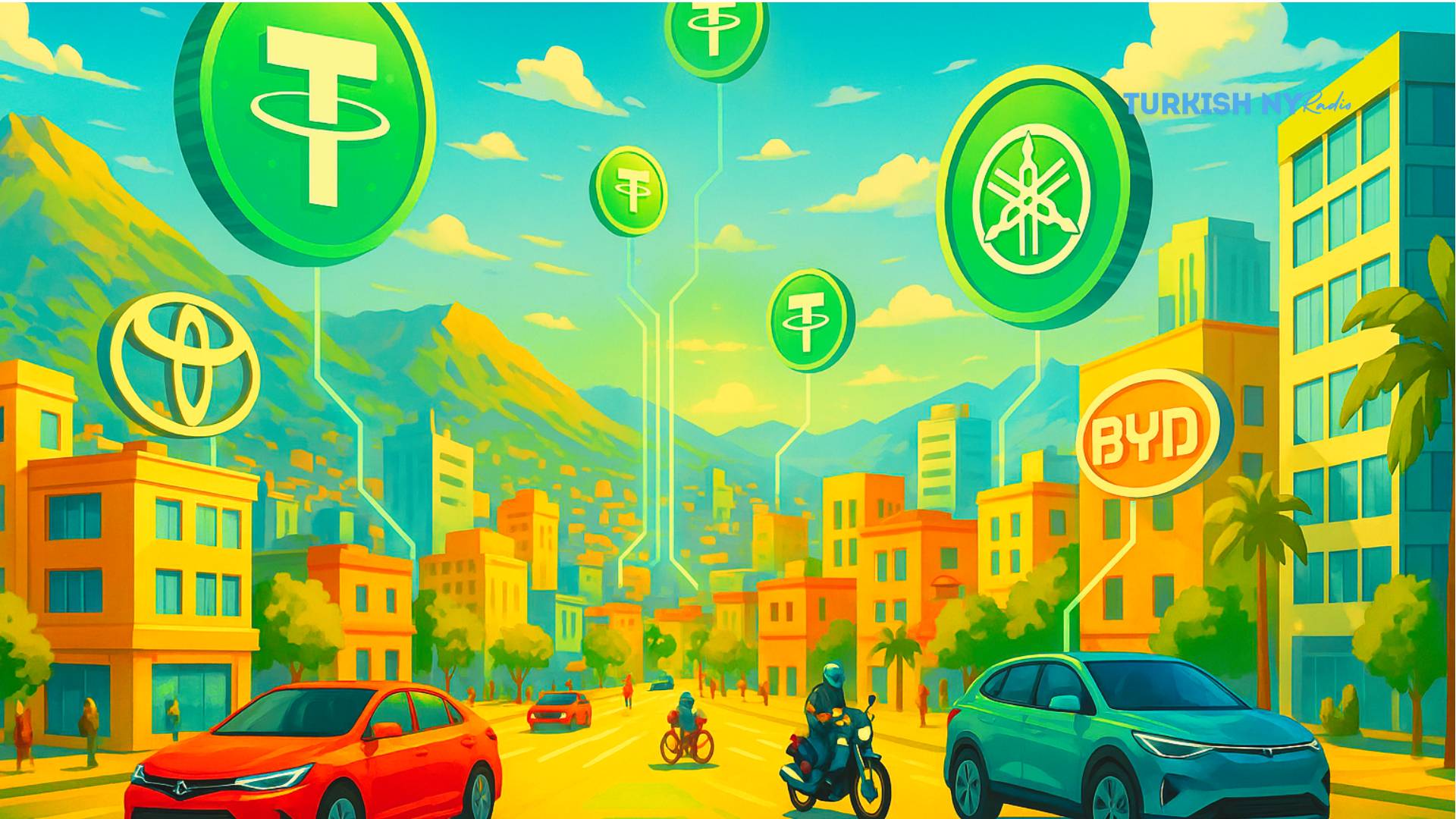
Bolivia’s streets are buzzing with something more than just the hum of new engines. In a nation where the U.S. dollar crisis has left wallets lighter and patience thinner, global automakers Toyota, Yamaha, and BYD have made a bold leap: they’re now accepting Tether (USDT) for car purchases.
What sounds like a crypto-dream is quickly becoming a lifeline for Bolivians navigating a collapsing financial system. This move is not just about buying cars; it’s about redefining how people preserve value, trade, and survive economic uncertainty.


Why Tether Is Taking the Wheel in Bolivia
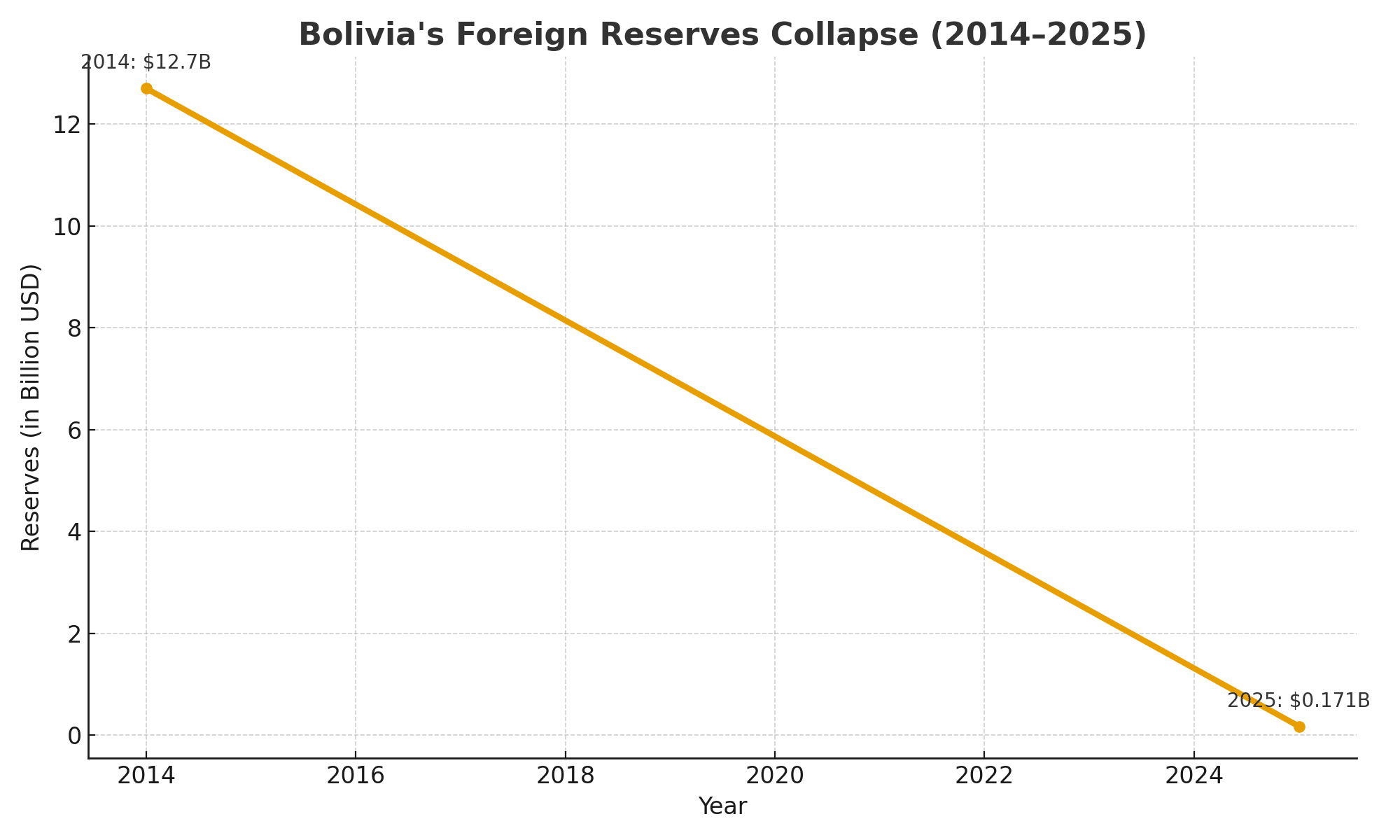
Bolivia’s foreign reserves have nosedived from $12.7 billion in 2014 to just around $171 million in August 2025, a staggering 98% collapse.
As U.S. dollars vanish from the market, consumers and businesses alike are trapped between inflation and scarcity. Stablecoins, particularly Tether, are stepping in to fill the void.
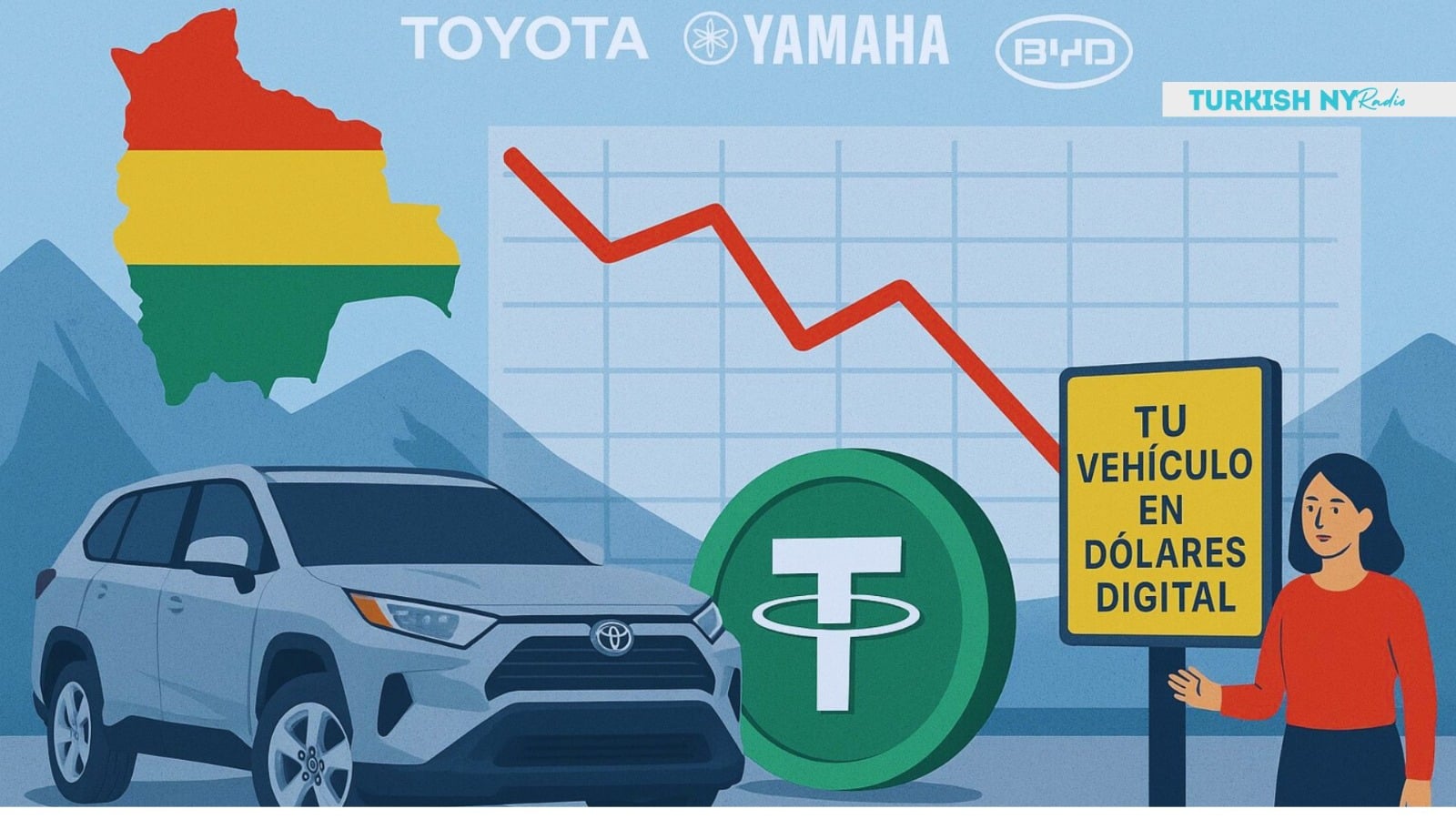
“Your vehicle in digital dollars,” reads a sign at a Toyota dealership in Santa Cruz. This simple phrase symbolizes an economic shift: Tether isn’t just a payment option; it’s a survival strategy.
From Showroom Floors to Blockchain
The adoption of Tether in Bolivia isn’t an abstract crypto story. It’s tangible. A customer recently drove away in the first Toyota purchased with USDT. Yamaha and BYD dealerships followed, turning digital dollars into real engines on the road.
“Stablecoins like Tether are giving Bolivians the power to protect their purchasing power,” said Paolo Ardoino, CEO of Tether, on X. “We’re seeing history unfold as people take control of their financial future.”
This shift is made possible through partnerships with Toyosa (Bolivia’s largest vehicle distributor) and crypto security firm BitGo, which ensures transactions remain safe and seamless.
Political Heat and Public Voices
The timing is critical. Bolivia faces a presidential run-off election in October, with candidates clashing on how to handle the economic freefall. Rodrigo Paz Pereira, a reformist contender, tweeted: “Crypto adoption is not a fad. It’s a necessity for a nation abandoned by its own dollar reserves.”
Meanwhile, Bolivians on the ground see Tether as more than politics. Maria Alvarez, a 34-year-old teacher in La Paz, told Cointelegraph: “I can’t find dollars anywhere. Paying with Tether lets me dream of buying a Yamaha bike for my family.”
What This Means for Latin America
Bolivia joins a growing list of Latin American nations leaning into crypto during crises. Venezuela turned to Bitcoin mining, Argentina embraced USDT for remittances, and now Bolivia is riding the wave with in mainstream trade.
Experts believe this trend could expand. “If Bolivia can normalize Tether in its auto industry, it could quickly spread to real estate, retail, and even public services,” wrote FXLeaders analysts in a report.
The Road Ahead
The adoption of Tether by Toyota, Yamaha, and BYD is more than a headline. It’s a mirror reflecting Bolivia’s financial desperation and digital ingenuity. Stablecoins may not fix collapsing reserves overnight, but they’re providing immediate relief for consumers and businesses.
As Bolivia shifts gears, the world is watching. If digital dollars can power cars on South American roads, they might just fuel a new era of economic resilience across the globe.


Conclusion
The decision by Toyota, Yamaha, and BYD to accept Tether in Bolivia marks more than just a payment innovation; it reflects the resilience of both businesses and consumers amid economic collapse.
As U.S. dollar reserves vanish, stablecoins are filling the vacuum, offering people a path to financial stability when traditional systems falter.
While risks and regulatory challenges remain, this bold shift signals a new era for Latin America where digital currencies are not just speculative assets but practical tools for survival and growth.
For more news, visit our platform.
FAQs about Bolivia
1. Why are Toyota, Yamaha, and BYD accepting Tether in Bolivia?
Because of Bolivia’s U.S. dollar shortage, stablecoins like Tether offer a reliable alternative for large transactions.
2. Is paying with Tether legal in Bolivia?
Yes. In June 2024, Bolivia lifted its ban on cryptocurrencies, allowing banks and businesses to use stablecoins.
3. Can other goods besides cars be bought with Tether in Bolivia?
Yes. Some retailers, importers, and even airport shops are beginning to use Tether for payments.
4. What risks come with using Tether?
While stablecoins reduce inflation risk, there are still concerns about regulation, security, and dependence on crypto infrastructure.
Glossary
-
Tether (USDT): A stablecoin pegged to the U.S. dollar, designed to maintain a 1:1 value with USD.
-
Stablecoin: A type of cryptocurrency that minimizes volatility by linking its value to stable assets like fiat currency.
-
Foreign Reserves: Assets held by a central bank (like USD) to back liabilities and support the currency.
-
Toyosa: Bolivia’s largest automotive distributor, facilitating Tether adoption for Toyota, Yamaha, and BYD.