
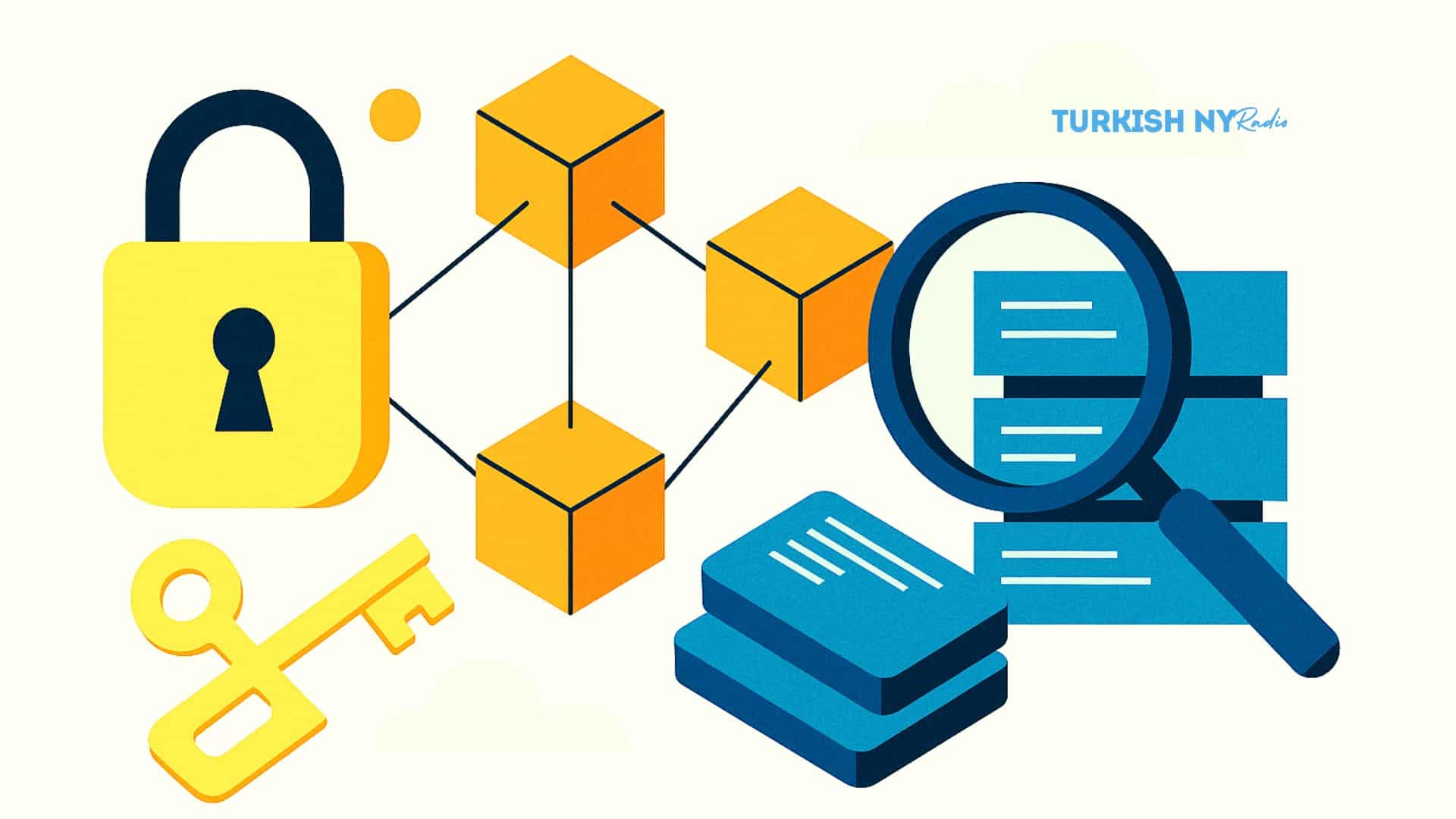
Blockchain Technology uses secure coding and a shared system to store information across many computers. This setup builds trust, keeps records safe, and removes the need for a central manager. Today, people in finance, crypto projects, and large organizations rely on it to verify transactions.
Experts now see how far it has come. What started with Bitcoin has turned into a robust system that supports real business use and stronger digital tools.


How Blockchain Technology Builds Instant Trust Through Consensus
Blockchain Technology embeds trust through consensus rules. When a transaction occurs, nodes broadcast data and validate entries using proof‑of‑work or proof‑of‑stake. Once validated, new blocks attach in chronological order.
Every linked hash secures prior records. Changing any block would require altering all subsequent ones. This structure stops fraud and tampering. Consensus ensures only valid blocks join the network.
Why Transparency Becomes a Financial Asset
Every record sits on a public ledger. Financial students and analysts can inspect transaction history on explorers for major blockchains. Stake‑based data from explorers shows staking rates and validator counts. For example, Ethereum changed from proof-of-work to proof-of-stake in September 2022.
It has reduced energy consumption to over 99% and this shift supports trust and aligns with green finance principles.


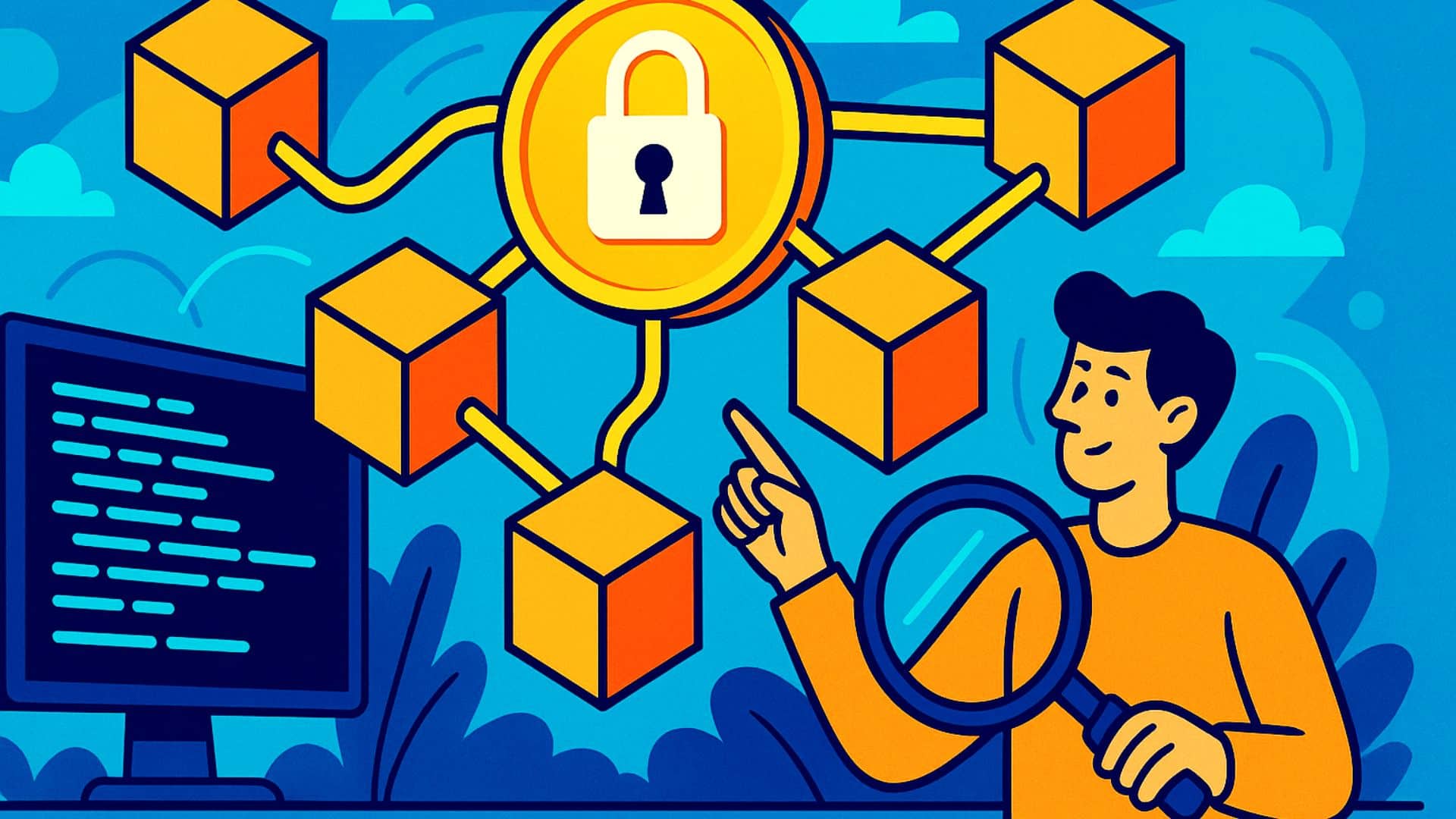
Where Blockchain Earns Real‑World Value
Blockchain Technology now drives tokenization, DeFi, and enterprise use cases. Tokenization converts real estate, stocks, or commodities into digital tokens that trading systems can support. Reports estimate tokenized assets may reach trillions by 2030.
DeFi platforms now enable lending, borrowing, and yield generation through smart contracts, though these hold high risk. Corporations and governments run permissioned networks for supply‑chain tracking or digital identity. Scholars cite the Canton Network as an interbank blockchain pilot used by central global banks.
When Innovation Meets Risk
Blockchain Technology exposes users to theft, scams, and regulatory uncertainty. Certik reports $2.5 billion lost to hacks and fraud in early 2025. Global agencies estimate crypto crime losses at over $51 billion in 2024, with major hacks attributed to state-linked actors. DeFi platforms face compliance issues: over 62% risk failing Know-Your-Customer checks as of mid-2025.
Legal clarity comes slowly. The U.S. recently passed stablecoin regulation under the GENIUS Act and proposed the Clarity Act to define SEC/CFTC roles. Meanwhile, FATF warns that only 40 of 138 countries were broadly compliant with crypto standards by April 2025.
What Makes Blockchain Future‑Proof
People who build and study blockchain think it’s going to get even better. Layer 2 rollups and modular chains now improve throughput while keeping data costs low. Ethereum’s Dencun upgrade (2024–2025) enabled cheaper transactions via proto‑sharding improvements.
AI integration creates adaptive smart contracts and fraud detection tools. Institutional adoption accelerates tokenization and staking models.
Real Numbers Back the Shift
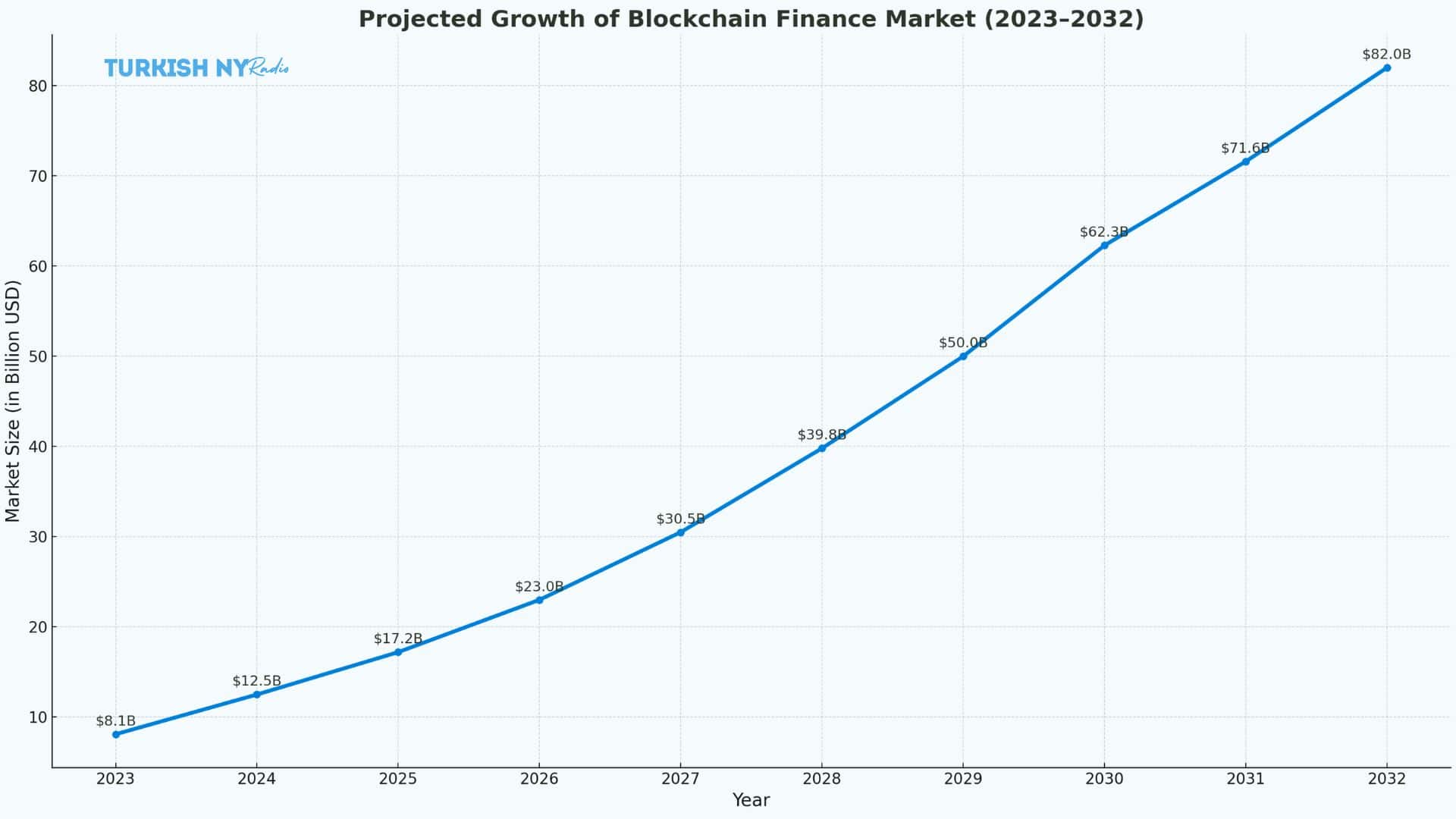
Blockchain’s finance market reached $8.1 billion in 2023 and may expand to over $80 billion by 2032. Startups and companies now exceed tens of thousands globally, with patents and development grants supporting steady growth.
Audience segments such as crypto developers focus on mastering smart contract languages, consensus algorithms, and scaling frameworks. Reports outline growing demand for skills across DeFi, tokenized assets, and interoperable networks.
Final Reflection
Blockchain technology is changing how people handle money and data. It offers security, fairness, and public access to records. As more companies and governments get involved, the technology keeps growing. But it’s not without risk.
Readers should consider how the technology scales, adapts to laws, and secures assets. Transparent, informed use becomes key.
Disclaimer: This is solely to give information and not financial advice at all. Readers must conduct their research before deciding to invest or use any blockchain service.
Summary
In its functioning, Blockchain Technology makes use of consensus algorithms and cryptography for secure and tamper-resistant recording of data across distributed nodes. This enables tokenization, DeFi, and smart contracts for institutions in finance and enterprises. Layer 2 scaling, AI-enabled contracts, asset tokenization, and improved privacy standards like ZK proofs are expected trends in 2025.
Some threats in the market are scams, hacks, regulatory gaps, compliance challenges, and increasing institutional entry related to changes in the legislation, such as the GENIUS Act and FATF frameworks. Technical and non-technical readers would know the inner workings of blockchain as well as its actual uses, risks it entails, and future potential.
Follow us on Twitter and LinkedIn, and join our Telegram channel for more news.
Frequently Asked Questions
What is Blockchain Technology suitable for?
It provides for immutability, transparency, and trust in transactions and the sharing of data across industries.
Can blockchain reduce fraud in finance?
Yes. With architectures of public ledgers and consensus mechanisms, fraud and double spending are complicated, while token flows can be traced for audit purposes.
Are smart contracts safe?
They work without banks or people, but they must be tested. Bad coding can cause significant losses.
What stops widespread misuse?
New rules and better tools are helping. Countries are passing laws, and groups like FATF offer global guidance.
Glossary of Terms
Block Explorer: A website that shows real-time blockchain data.
Consensus: A system rule that all nodes follow to confirm transactions.
Distributed Ledger: A shared record book stored across many computers.
Tokenization: Turning real items like stocks into tradeable digital tokens.
DeFi: Decentralized finance tools that work without traditional banks.
Layer 2 Rollup: A second-layer solution that makes blockchain faster and cheaper.
Modular Chain: A blockchain design split into parts to work better.
Staking: Locking coins to support a network and earn rewards.
ZK Proof: A privacy tool that hides personal info but proves actions are real.
Permissioned Network: A blockchain where only certain people can join or validate data.