This Article Was First Published on TurkishNY Radio.
BlackRock CEO Larry Fink and Coinbase CEO Brian Armstrong will take the stage at this year’s DealBook Summit to discuss, in detail, tokenization in finance and what is to become of global financial markets.


Presented by The New York Times’ Andrew Ross Sorkin, attendees at the event will hear a conversation about the potential impact of nascent blockchain technology on how assets are issued, settled, and traded across dozens of global markets.
Interest in finance tokenization is booming as institutions evaluate alternative methods of creating digital ownership and new opportunities for efficiencies in cross-border trade, asset management, and market access.
Why Tokenization in Finance Is Under Global Scrutiny
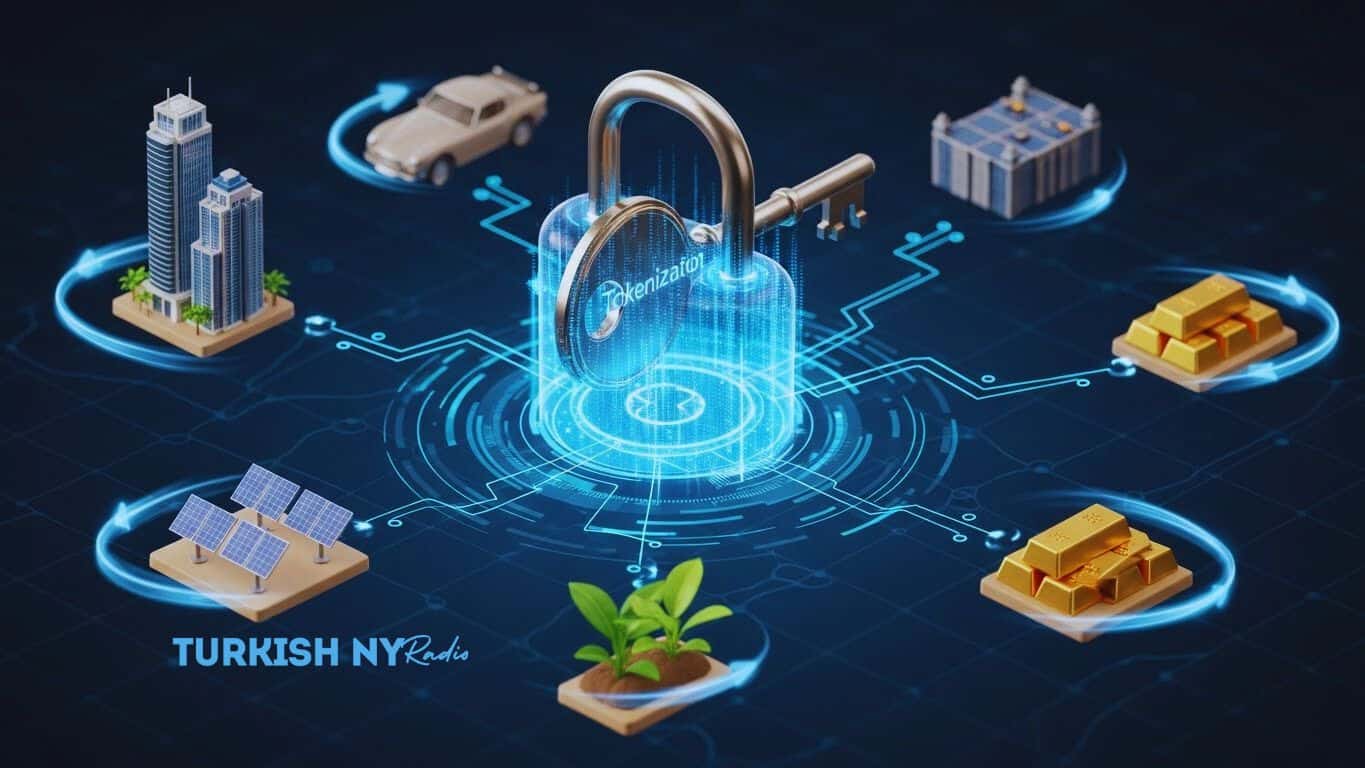
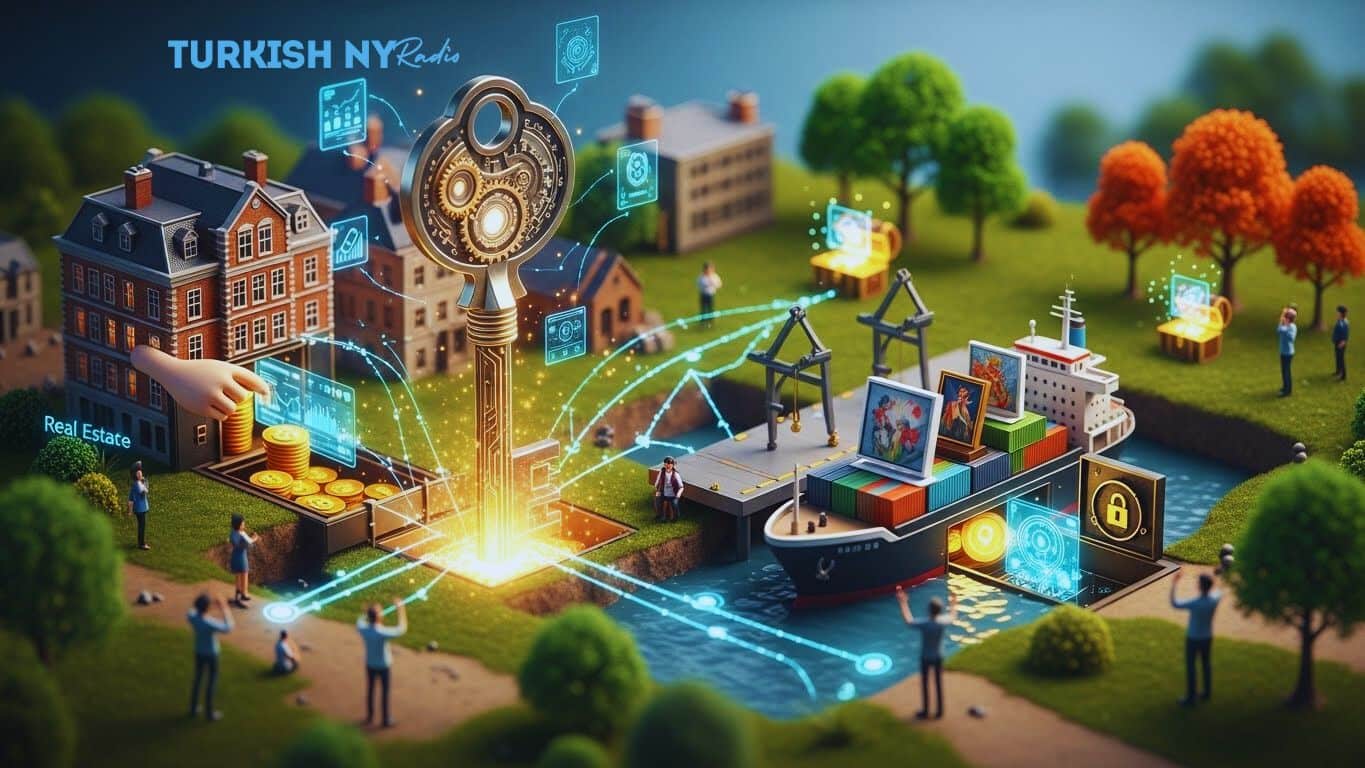
In finance, tokenization means turning real-world assets (bonds, real estate, natural resources like oil and gold, and money-market instruments) into secure and transferable on-chain tokens.
Such a transition may open doors for 24/7 settlement, automated compliance, and fractionalization of high-value assets.
Larry Fink has said that tokenization in finance will be the future of market design. BlackRock’s plunge into digital currency indicates that big asset managers are cementing the inclusion of blockchain-based financial products in mainstream investment lines.
Meanwhile, Coinbase is facilitating institutional entrance to digital assets and expanding infrastructure for regulated token issuance and trading.
According to reports from international market organizations, the scale of tokenized real-world assets could reach tens of billions of dollars in 2025 and be an early sign that institutions are adopting them.
Analysts predict that tokenization in finance will allow for greater liquidity of assets that otherwise would be tied to a private market.
What’s at Stake in Tech’s New Cold War
Enthusiasm does not erase challenges. In a recent update from the IOSCO (International Organization of Securities Commissions), risk factors in the tokenization in the finance space were highlighted:
Insufficient liquidity of the secondary markets for tokenized instruments


Differences in global compliance frameworks
Investor misunderstanding about ownership and custody structures
The fact that financial markets are operating on a reliance on legacy systems and foundations also curbs the immediate potential impact of DLT settlement, reads the report.
Conversely, academic research also echoes that tokenized real-world assets, including long holding periods, uncertain regulatory support, and few trading venues besides the issuing platform, imply adoption is often uneven across jurisdictions as well.
However, regulatory test cases in the U.S., EU, and Asia suggest a shift toward common rulebooks simplifying for institutions to implement tokenization in finance on a larger scale.
Actual Use Cases Popping up in the Real Market
Most top banks and financial institutions have already adopted tokenization in finance to bring several sought-after products:
Tokenized U.S. Treasuries, which today is one of the fastest-growing categories of digital assets
On-chain money market with enhanced transparency and 24/7 settlement
Real assets such as commercial property and private credit pools are fractionalized
These early use cases suggest where financial markets may be going, even more automation, wider availability, and much less operational friction.
Market experts say smart contract systems that would replace slow multistep actions by multiple parties could trim billions of dollars in annual back-office costs.
DealBook Summit May Shape the Road Ahead
The future conversation between Armstrong and Fink could help determine how quickly Wall Street institutions welcome tokenization in finance.
As the biggest asset manager in the world, BlackRock’s promises frequently set long-term industry behavior. Behind the scenes, Coinbase’s infrastructure also underlies the blockchain mechanics that make operation of on-chain markets possible.
For such investors and for policymakers who have worked to stabilize the markets, the event raises profound questions:
Will Regulators Hasten the Rise of Tokenization in Finance?
Could such liquidity increase if institutions got involved in tokenized markets?
When will digital assets become more of a part of the regular market?
As capital markets face an impending new age of technology, the collaborations among forward-thinking platforms and incumbent firms with a market interest in the trillions may influence whether or not tokenization in finance becomes the norm or simply a small “upgrade.”
Summary
Larry Fink, the BlackRock chief executive, and Brian Armstrong, the head of Coinbase, will discuss tokenization in finance at the DealBook Summit today and how digital assets and blockchain technology would transform global markets.
Real-world assets are now on blockchain technology. Tokenization drives fractional ownership, faster settlement, and broader access to real-world assets, attracting increased institutional interest.
While regulatory concerns highlight liquidity and disclosure issues, key financial institutions have already embraced tokenized securities and Treasury products, hinting at a profound transformation of future market structures.
Glossary of Key Terms
Tokenization in Finance
The transformation of ownership rights for physical or financial assets into digital tokens stored on the blockchain permits rapid transfers and a division of ownership interest.
Digital Assets
Blockchain-based financial assets like cryptocurrency, stablecoins, and tokenized securities can be transferred, traded, and stored on digital platforms with cryptographic technology.
Real-World Assets (RWAs)
Traditional assets such as real estate, government bonds, private equity, or commodities that are digitized into tokens, providing investors access and liquidity options.
Blockchain Technology
A decentralized, cryptographically secure ledger that can offer transparent and tamper-resistant records of a wide range of assets commonly used to verify and track token-based transactions.
Settlement
The completion of a payment by moving funds or assets from one party to another. Settlement is streamlined from days to minutes using automated smart contracts to tokenize assets.
Fractional Ownership
The facility to retain a fraction of the asset rather than its entirety. Tokenization makes it possible to fractionize expensive assets into affordable bits.
Compliance Requirements
Laws and rules that apply to digital assets. They also offer investor protection, custody, auditing, and tokenization transparency for a variety of financial instruments.
Secondary Markets
Marketplaces where investors can buy/sell tokenized assets after they are issued. Liquidity in those markets is how easily digital tokens can be exchanged for cash or another asset.
FAQs About tokenization in finance
What is tokenization in finance?
Tokenization in finance refers to the conversion of real-world assets into a blockchain-based token and allows for 24/7 transfer, faster settlement times, fractional ownership, and easier access to investment opportunities offered on global markets.
What do all of the tokenization advantages mean for investors?
It provides diversified exposure, less operational lag time, lower settlement cost, greater transparency, and access to typically hard-to-reach assets such as real estate, private credit, and institutional money-market funds.
Are there risks or compliance issues related to tokenized assets?
Yes. There will be challenges in the near term, such as regulatory uncertainty, liquidity constraints, and complex custody duties, coupled with confusion from investors over who owns what, but these should lessen until the global regime becomes fully operational.
How quickly can we see tokenization go mainstream in financial markets?
Institutional adoption is growing quickly, yet broader usage requires regulatory certainty, stronger secondary markets, and scalable technology to support secure, compliant, high-volume financial systems.