
This Article Was First Published on TurkishNY Radio.
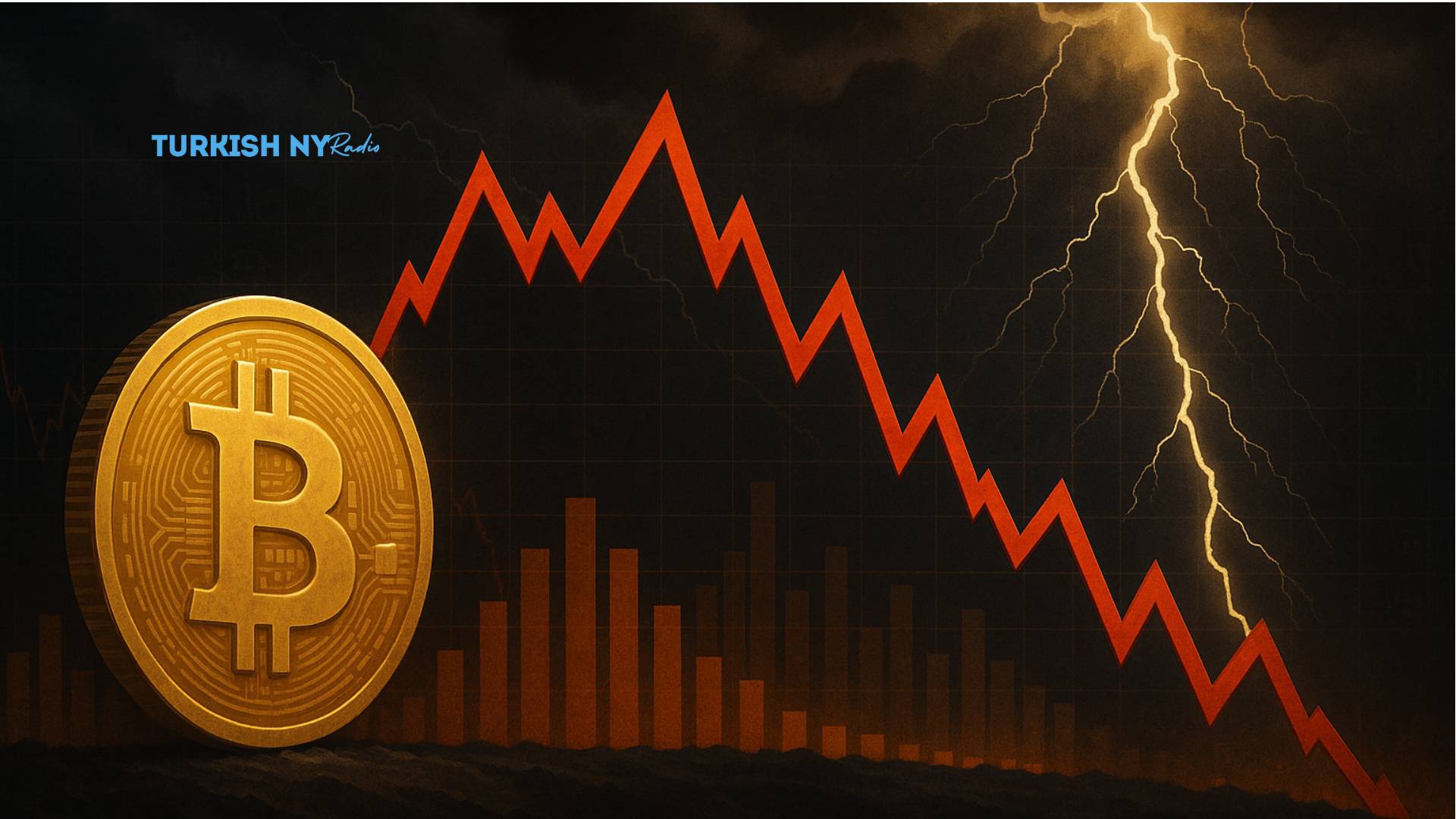
Bitcoin is back in the spotlight, and this time the focus is on its character, not only its price. Michael Saylor, executive chairman of MicroStrategy and a leading Bitcoin advocate, has repeated a view that many traditional investors resist. In his opinion, Bitcoin volatility is not a mistake in the design but a built in feature that helps the market adjust to a new form of money.




Saylor argues that strong moves keep Bitcoin in the global conversation. When the price climbs, it attracts headlines and new capital. When the price drops, it forces investors and policymakers to ask why interest remains so high. In both directions, volatility points attention toward the idea of a scarce digital asset that operates outside central bank control.
Volatility As A Catalyst For Innovation, Michael Saylor
In conventional markets, slow and steady is often presented as the safe path. Bitcoin behaves differently. Its rapid swings act like a stress test for older infrastructure, pushing custodians to strengthen security, exchanges to refine risk controls, and developers to build better tools for self-custody and transparent settlement.
Each major cycle leaves a similar pattern. A strong rally brings new traders, products, and service providers into the space. A deep correction then exposes weak business models and excessive leverage. What survives is sturdier plumbing in the form of regulated platforms, clearer rules, and more reliable market data.
Signal, Not Noise, For A Global Audience
Saylor also ties volatility to a wider social story. When Bitcoin moves quickly, it becomes a topic in boardrooms, newsrooms, and parliament debates, not just on trading forums. Retail investors see it across news tickers, while regulators face new questions about capital flows and consumer protection.
For citizens who live with high inflation or capital controls, the signal is even stronger. Local currency may lose value every month, and access to foreign savings may be constrained. In that setting, a volatile but scarce digital asset can appear less dangerous than a steady loss of purchasing power.
Key Crypto Indicators Behind The Swings
Bitcoin volatility does not appear from nowhere. Market capitalization and Bitcoin dominance show how large and influential the asset is within the wider digital asset space. Trading volume reveals how much money changes hands each day, and liquidity on major exchanges affects how easily large orders clear without forcing dramatic jumps in price.
On-chain metrics add more detail. Active addresses, transaction counts, and the share of supply held by long term holders hint at whether coins are being hoarded or spent. When long-term holders keep accumulating while supply on exchanges falls, even modest bursts of demand can trigger outsized moves. Implied volatility in options markets and funding rates in futures markets signal when traders expect turbulence or when leverage has become stretched.
What This Means For Long Term Adoption
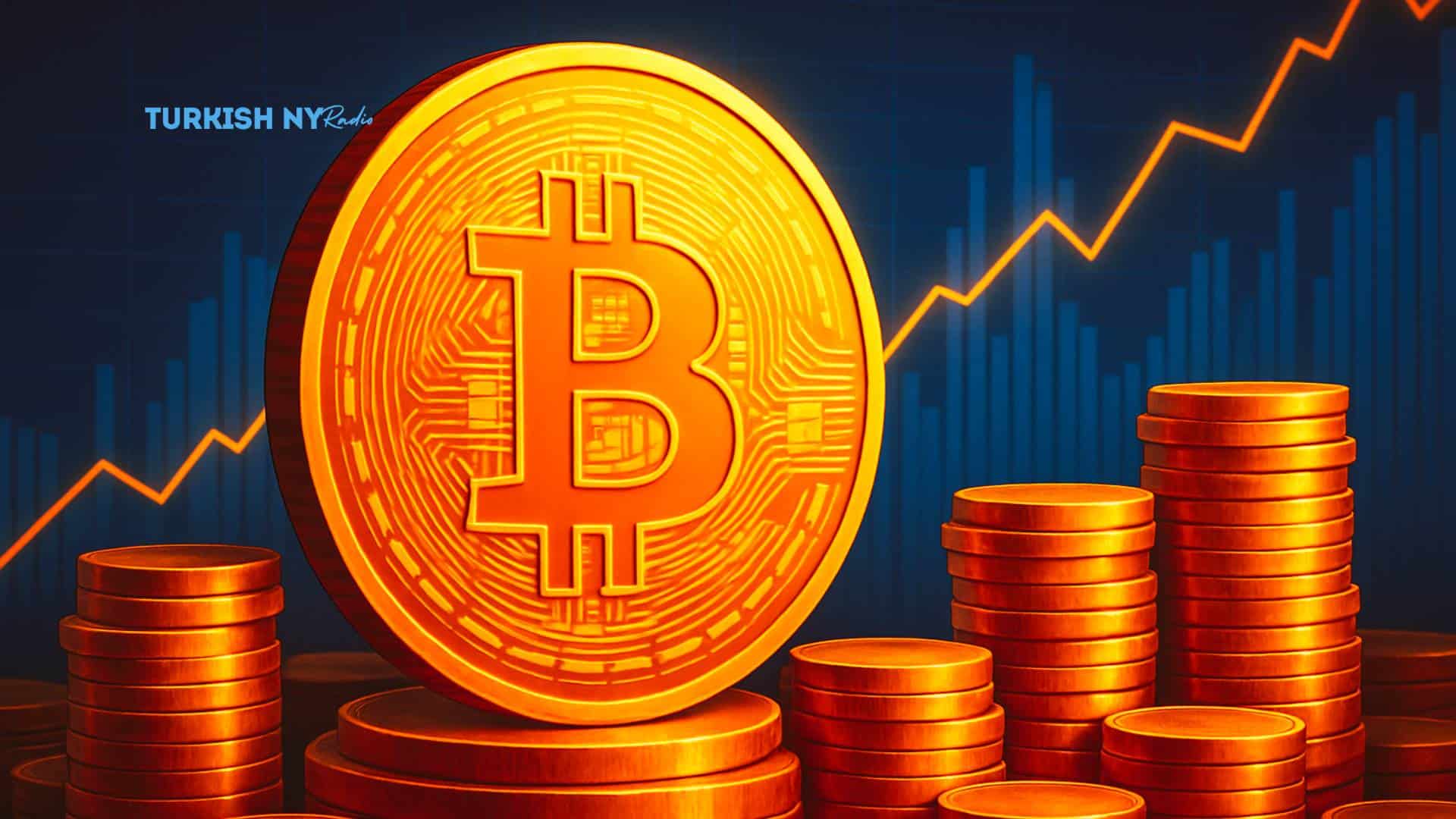
Short-term traders often view volatility as pure risk. Saylor presents it as the mechanism that transfers coins from weak hands to strong ones. The same turbulence that unsettles cautious investors offers disciplined buyers repeated chances to build a position.
At the same time, Bitcoin remains a high risk, speculative asset that can move sharply in both directions. Responsible investors treat it as one part of a diversified strategy, study the indicators behind the swings, and seek professional advice when needed. This article is informational in nature and does not provide financial, investment, or legal advice.
Conclusion
Bitcoin volatility is unlikely to disappear as the asset matures. Instead, it continues to act as a spotlight on fragile monetary systems and as a magnet for talent, capital, and code. The trait that many critics treat as a flaw is exactly what keeps pushing the Bitcoin experiment forward for a global audience.
Frequently Asked Questions
What does Michael Saylor mean when he calls Bitcoin volatility a feature?
He believes that sharp price moves help draw attention, test weak ideas, and speed up adoption of Bitcoin as a new kind of monetary asset.
Is high volatility always good for Bitcoin investors?
No. High volatility can bring large losses as well as gains, so each investor needs clear risk limits, realistic time horizons, and a plan for downside moves.
Glossary Of Key Terms
Volatility
The size and speed of price changes over time. Higher volatility means larger and more frequent swings in both directions.
Market Capitalization
The total value of a crypto asset, calculated by multiplying the current price by the number of coins in circulation.
Bitcoin Dominance
The share of the total crypto market value that belongs to Bitcoin, used as a simple gauge of its influence within the wider digital asset space.