
The U.S. Treasury’s stance on Bitcoin reserve resurfaced this week when Treasury Secretary Scott Bessent corrected statements that first implied no additional government acquisitions of the main cryptocurrency.
While the market responded harshly to his first words, the secretary subsequently clarified that the government is still open to budget-neutral purchases for the Strategic Bitcoin Reserve, allaying some investor fears.


Bessent highlighted that any reserve buildup should not increase the burden on taxpayers. “We’re committed to exploring avenues where reserve growth can occur without affecting the federal budget’s bottom line,” he said at a news briefing, emphasizing a realistic approach to digital asset regulation.
Mixed messaging disrupts the strategic Bitcoin reserve narrative
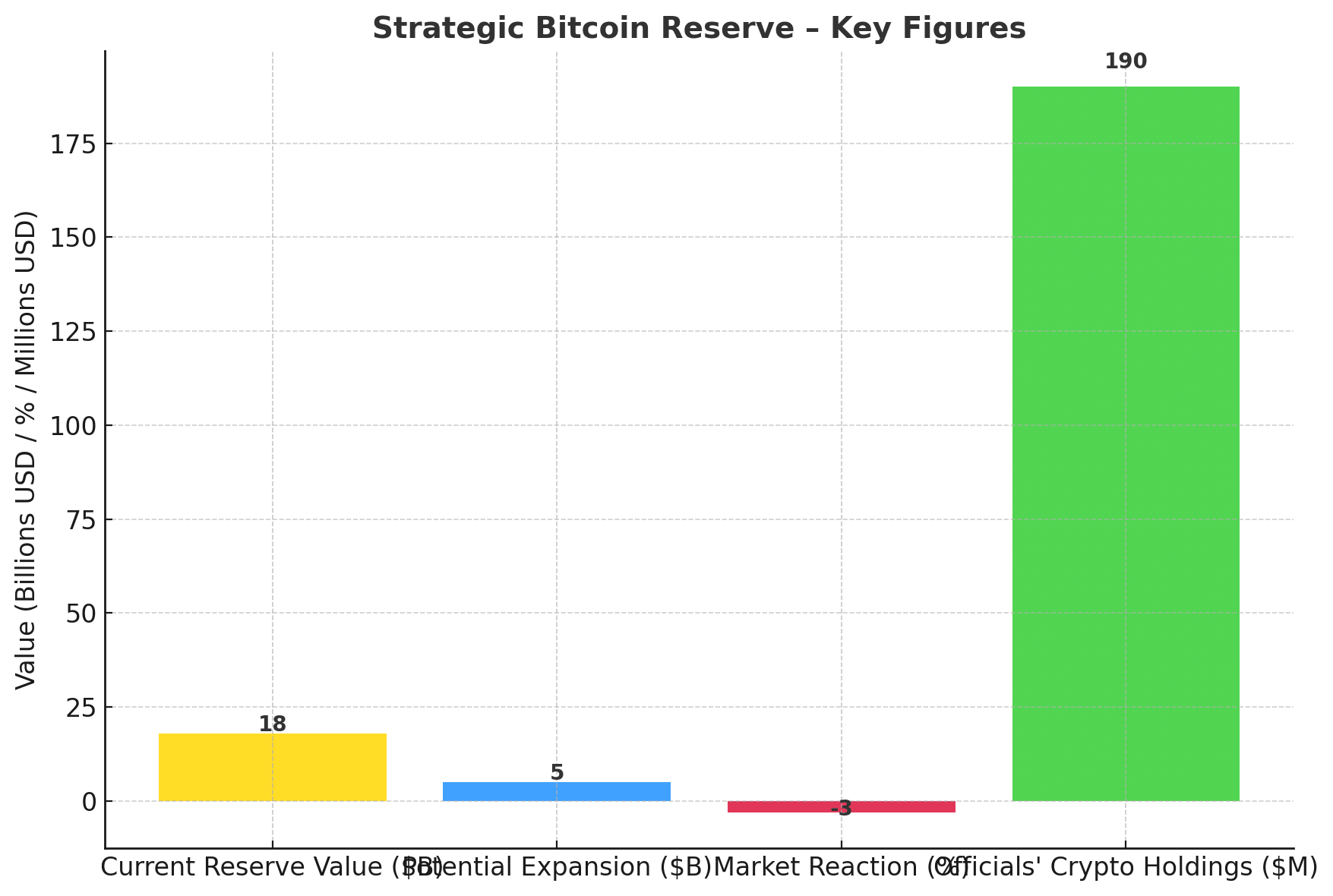
The Strategic Bitcoin Reserve, which was founded earlier this year, was designed as a national digital asset vault similar to Fort Knox for gold. Its original funding was completely derived from Bitcoin recovered in law enforcement activities and forfeitures, which are believed to be worth between $15 and $20 billion.
When Bessent first stated that no additional Bitcoin would be acquired, markets viewed this as a pause in policy momentum. Prices fell dramatically as speculators anticipated limited government engagement in digital asset accumulation.
However, the administration’s fast explanation, expressing its openness to budget-neutral techniques, restored some confidence and stabilized market sentiment.
How Budget-Neutral Purchases Can Work
In terms of policy, budget-neutral acquisitions for the Strategic Bitcoin Reserve might include utilizing asset seizure profits, reallocating current reserve monies, or using excess from other projects. Analysts think that if adopted, this technique will allow the reserve to grow without requiring new appropriations or tax adjustments.
According to industry experts, such a strategy might establish the United States as a global leader in sovereign Bitcoin reserve while avoiding budgetary backlash. This would be consistent with a larger trend of nation-states adopting cryptocurrency as part of their diversified reserves.
Political and Institutional Signals
The Strategic Bitcoin Reserve is not just a financial asset, but also a geopolitical signal. The United States’ inclusion of Bitcoin in its national reserves demonstrates trust in blockchain-based assets.
The decision mirrors a worldwide trend, with governments such as El Salvador and some sovereign funds growing their cryptocurrency exposure.

Recent reports indicated that over 20% of top government officials have direct stakes in cryptocurrency, totaling more than $190 million. While legal and compliant, this demonstrates the breadth of digital asset knowledge, and possibly alignment among key officials.
Strategic Bitcoin Reserve: A Long-Term Policy Tool
Proponents see the reserve as a buffer against currency fluctuation, a tool for encouraging blockchain innovation, and a method to boost the country’s participation in the digital economy. Critics, however, warn that policy clarity is required to avoid confusing signals that might destabilize markets.
Some policy experts have encouraged the administration to release a full strategy for the Strategic Bitcoin Reserve, including acquisition techniques, risk management procedures, and integration into the overall budgetary framework. Such transparency, they think, would strengthen confidence both internally and abroad.
Conclusion
The week’s events around the Strategic Bitcoin Reserve show the tricky mix between prudent fiscal policy and forward-thinking innovation. While Bessent’s first remarks provoked market fear, his reaffirmation of budget-neutral growth prospects restored some confidence.


The future of the reserve will most likely be determined by the administration’s ability to translate its exploratory attitude into concrete, transparent policy, one that can boost both market stability and the United States’ position in the global digital asset ecosystem.
FAQs
Q1: What is the Strategic Bitcoin Reserve?
It is a government-held stockpile of Bitcoin, funded primarily through seized or forfeited assets, intended to serve as a national digital reserve.
Q2: What does budget-neutral mean in this context?
It refers to acquiring Bitcoin without increasing taxpayer costs or requiring new federal budget allocations.
Q3: How much Bitcoin is currently in the reserve?
Estimates place the value between $15 billion and $20 billion, depending on market prices.
Q4: Why does the reserve matter?
It positions the U.S. as a leader in sovereign crypto holdings and signals confidence in blockchain technology.
Glossary
Budget-Neutral: A policy action that does not impact the overall federal budget balance.
Forfeited Assets: Property or funds seized by authorities as part of legal enforcement actions.
Sovereign Reserve: Assets held by a national government to strengthen financial stability.
Volatility: The degree of variation in an asset’s price over time.
Fiscal Framework: The government’s long-term plan for managing revenues, spending, and debt.
Blockchain: A decentralized digital ledger technology underpinning cryptocurrencies like Bitcoin.