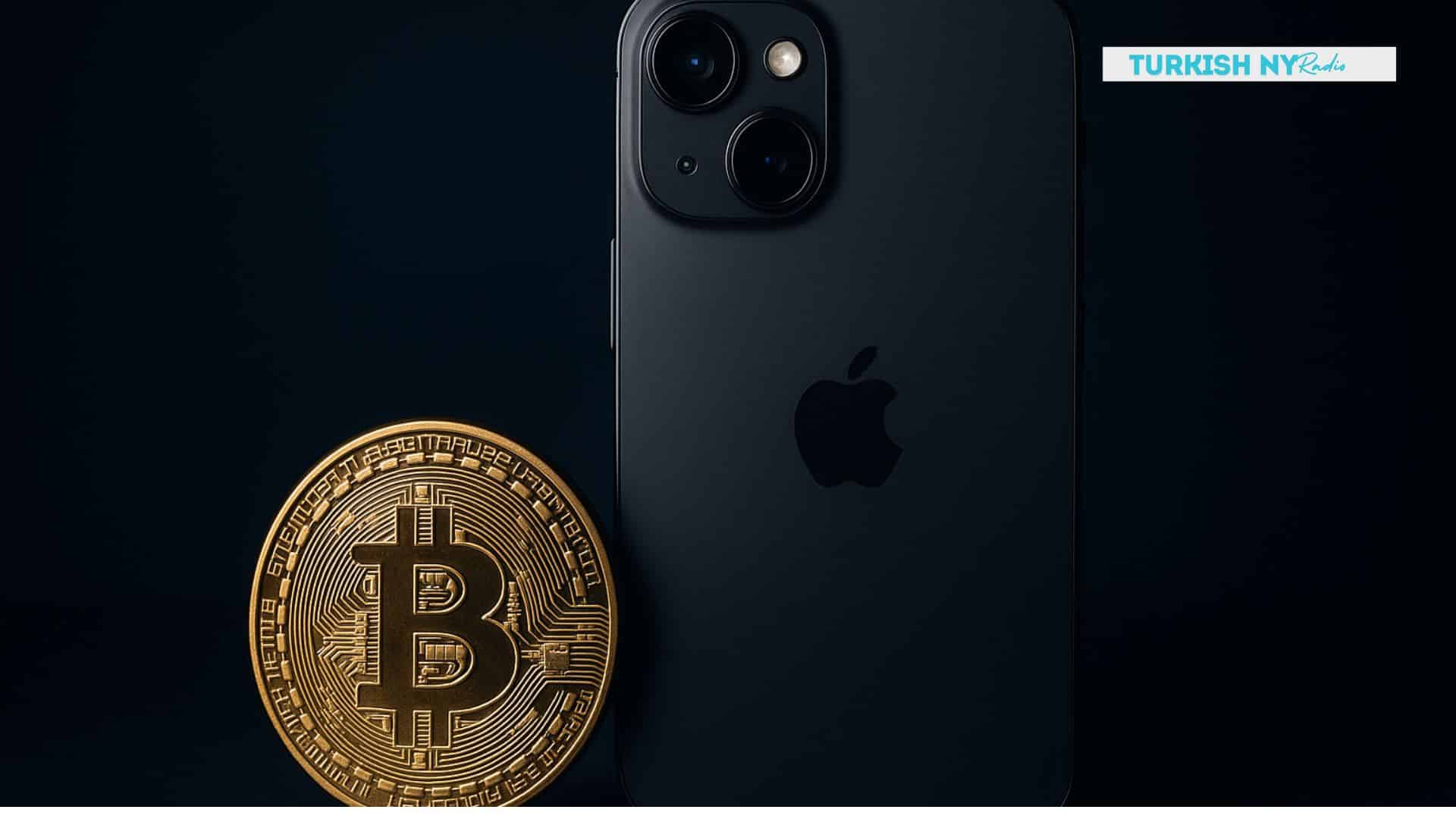
Apple has unveiled the iPhone 17 with a transformative feature that could reshape digital asset protection. The introduction of hardware-level security is designed to shield users from sophisticated memory exploits.
With Apple crypto security taking center stage, the company signals its intent to safeguard financial transactions in a decentralized world.


Hardware-Level Security for iPhone 17
The key innovation is Memory Integrity Enforcement (MIE), a hardware-based defense system that checks memory in real time.
According to Apple, this feature blocks the most common memory corruption attacks, which account for nearly 70% of system vulnerabilities. Analysts argue that this move strengthens Apple crypto security by fortifying wallet access and transaction signing.
Also read: Biden Applauds Nigeria’s Leadership in Crypto Security and Global Reform
A Boost for Crypto Wallet Safety
DiscusFish, co-founder of Cobo, praised Apple’s initiative, calling it a “major win” for high-value crypto users. He emphasized that frequent signers and holders of self-custodied assets face constant risks of memory-level exploits.
With MIE enabled by default, Apple crypto security could become a new standard for mobile-based wallet protection.
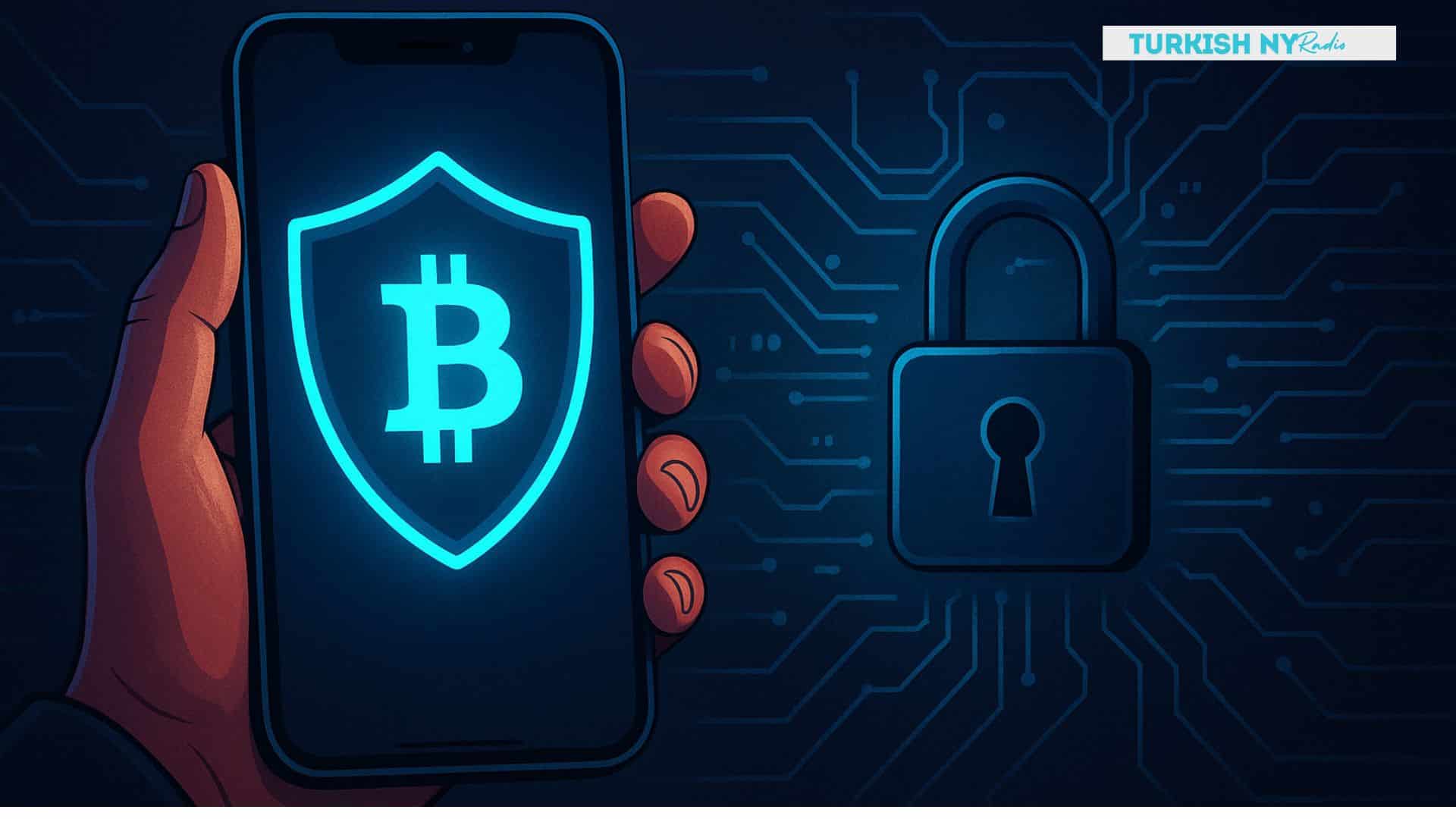
“this apple exploit is yet another reminder of why i’ve never had nor ever will have a crypto wallet on my phone. security > convenience.” formerly Twitter
How It Works Behind the Scenes
MIE collaborates with Apple’s Enhanced Memory Tagging Extension (EMTE). Together, these tools verify proper memory usage and automatically block dangerous activity.
The A19 and A19 Pro chips run these processes without slowing performance. This seamless integration highlights Apple’s ability to prioritize Apple crypto security without sacrificing user experience.


Impact on High-Net-Worth Investors
For wealthy crypto investors, every layer of security matters. The irreversible nature of blockchain transactions makes them prime targets for cybercriminals.
By integrating Apple crypto security into its ecosystem, the iPhone 17 aims to reduce wallet hijackings and unauthorized access. Industry experts believe this hardware-driven defense could deter large-scale attacks.
A Step Toward Mainstream Adoption
Apple’s move signals more than just technical innovation. It reflects a growing recognition of cryptocurrencies as a mainstream financial tool.
By embedding Apple crypto security into its flagship device, Apple provides institutional and retail users with stronger peace of mind. Some see this as a subtle step toward bridging traditional finance with blockchain systems.
Expert Commentary
“Memory-based vulnerabilities are the silent killer of mobile security,” said a cybersecurity researcher at BlockSec. “By introducing chip-level protections, Apple crypto security becomes a force multiplier for crypto adoption.” Others, however, caution that users should still complement the iPhone’s defenses with hardware wallets and multisignature solutions.
Broader Implications for the Industry
The launch of MIE places competitive pressure on Android manufacturers. Google has been exploring similar measures with memory tagging, but Apple’s rollout in a mass-market device raises the stakes.
If Apple crypto security gains trust in the global crypto community, it could push rival brands to accelerate their security roadmaps.
Conclusion
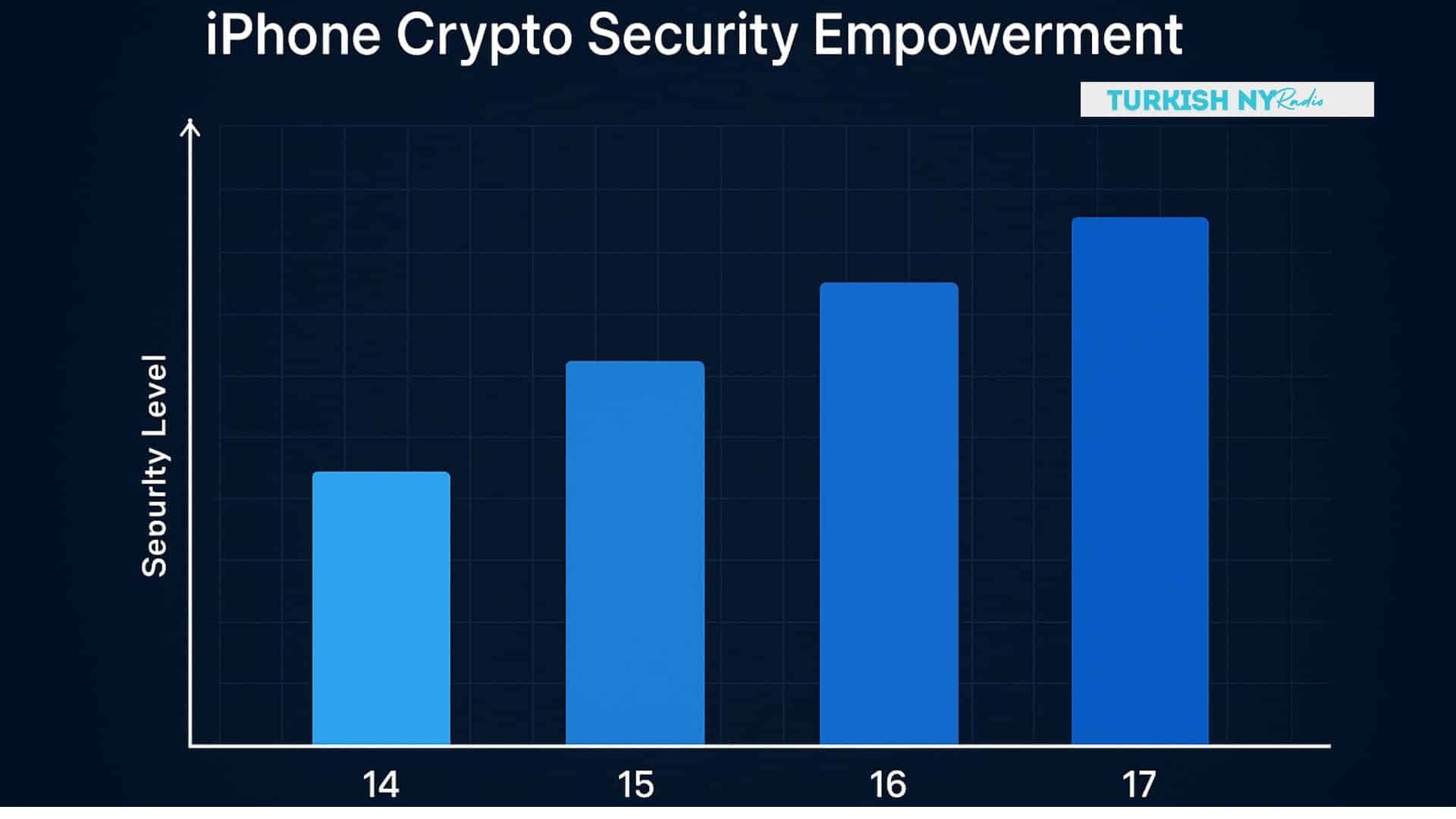
The iPhone 17 isn’t just another device upgrade, it represents a shift toward stronger digital sovereignty. By embedding Apple crypto security into its core architecture, Apple acknowledges the vital role of safeguarding crypto wallets in a high-risk cyber landscape.
While not a complete solution, this innovation sets a new benchmark for mobile security in the crypto era.
Also read: Crypto Is the New Spycraft How Nobitex Just Proved It
Summary
Apple’s iPhone 17 introduces Memory Integrity Enforcement, a hardware-level security feature aimed at blocking memory corruption attacks. This system significantly improves wallet safety for crypto users, particularly high-net-worth investors and frequent signers. Analysts view Apple crypto security as a pivotal milestone in digital asset protection. While experts advise continued use of hardware wallets and multisig setups, Apple’s latest defense mechanism brings stronger confidence to users navigating the evolving crypto landscape.
Glossary of Key Terms
Apple crypto security: Apple’s approach to integrating hardware-level defenses to protect crypto wallets.
Memory Integrity Enforcement (MIE): A real-time memory protection system built into iPhone 17 chips.
Enhanced Memory Tagging Extension (EMTE): A feature that checks memory usage to prevent dangerous exploits.
Multisignature (Multisig): A method requiring multiple keys to approve a crypto transaction.
Zero-day exploit: A cyberattack that takes advantage of unknown or unpatched vulnerabilities.
FAQs for Apple Crypto Security Unleashes Powerful Protection
1. What is the main security upgrade in iPhone 17?
The iPhone 17 introduces Memory Integrity Enforcement, a hardware-level defense system against memory corruption exploits.
2. How does Apple crypto security benefit crypto wallets?
It makes it harder for hackers to hijack signing processes or drain wallets by blocking memory-based vulnerabilities.
3. Does this replace the need for hardware wallets?
No, experts recommend using hardware wallets and multisig setups alongside Apple crypto security for maximum safety.
4. Will MIE slow down the iPhone 17?
Apple confirms there is minimal to no performance impact, thanks to efficient A19 chip integration.
5. Could this influence other smartphone makers?
Yes, Apple’s move sets a new benchmark, likely pushing Android manufacturers to adopt similar hardware-level protections.