North Korea’s latest run through the crypto sector has raised fresh alarms across trading desks, risk teams, and protocol founders alike. In roughly 20 days this month, attackers linked to the country pulled in more than $500 million through two major incidents, one involving Drift Protocol at about $285 million and another involving KelpDAO at about $290 million.
Research firms tracking illicit blockchain activity have tied the broader pattern to tactics long associated with DPRK-linked operators, including TraderTraitor, while federal authorities have previously connected that campaign to North Korean cyber theft activity.


North Korea Crypto Theft Puts DeFi Back Under Pressure
The scale of this North Korea crypto theft wave matters, but the speed may matter even more. Chainalysis reported that North Korean hackers stole $2.02 billion in 2025 and pushed their all-time haul to $6.75 billion, showing that these operations are not random smash-and-grab jobs.
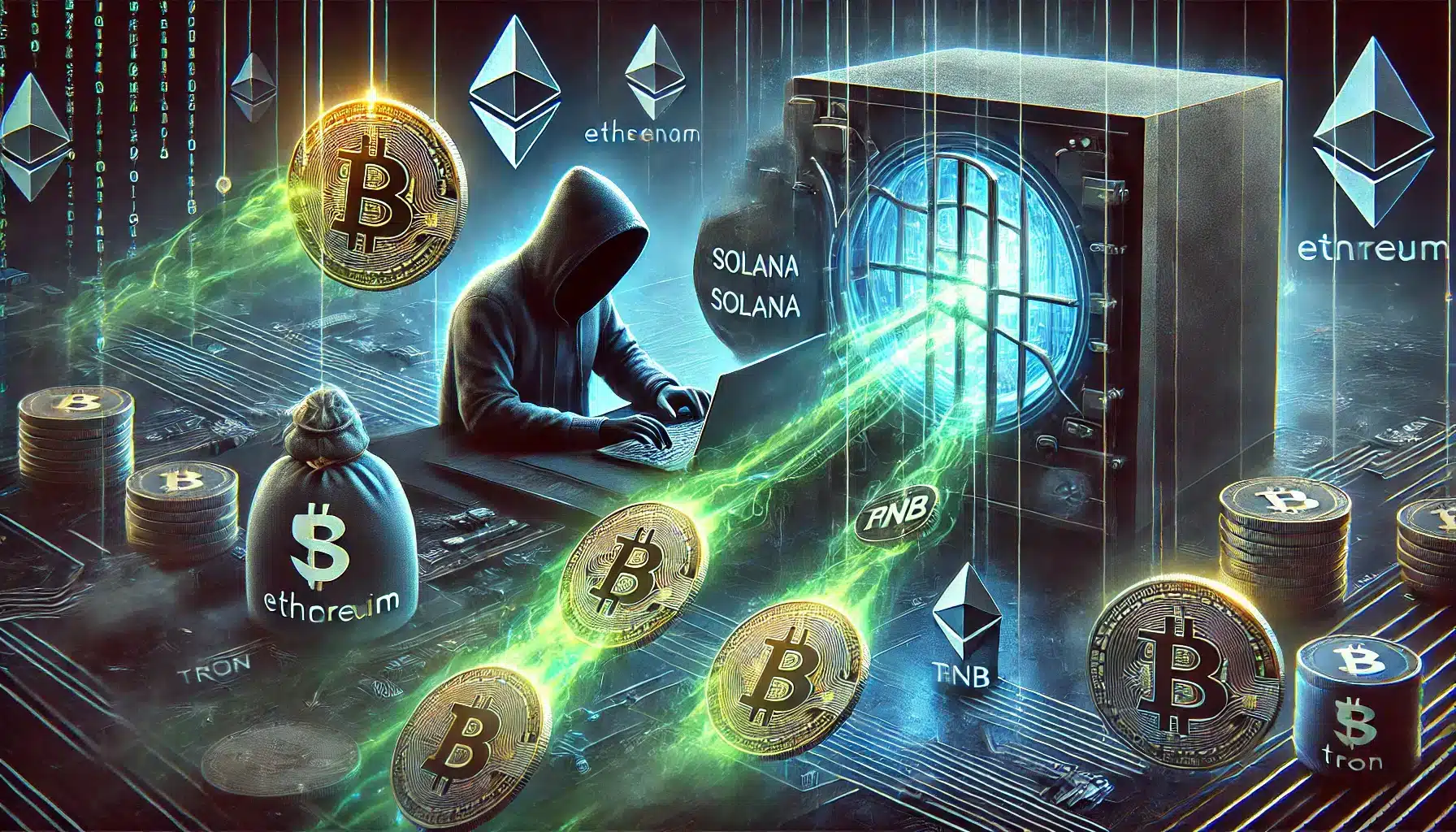
They are becoming more efficient, more patient, and more selective about where they strike. In the Drift case, early on-chain indicators were consistent with prior DPRK-linked behavior, while reporting around the April attack pointed to a long social engineering setup rather than a simple code flaw.
That is where the market signal gets sharper. North Korea crypto theft is no longer only about smart contract bugs. It increasingly touches human trust, back-end permissions, cross-chain movement, and operational blind spots. In plain terms, the attackers are not always breaking the vault. Sometimes they are convincing someone to hand over the key.
Why North Korea Crypto Theft Is a Market Indicator
For crypto investors, the key indicators are not limited to price candles. North Korea crypto theft forces the market to look at total value locked, bridge exposure, collateral quality, abnormal wallet flows, rapid asset swaps, and liquidity depth.
When a protocol loses hundreds of millions, traders usually watch TVL first because it shows whether capital is fleeing. They watch trading volume next because panic often arrives there before it shows up in long-term charts. Then comes token correlation. If one exploit spreads fear across lending, restaking, or DeFi governance tokens, the damage stops being local and starts becoming systemic.
North Korea crypto theft also highlights another indicator that serious participants track closely: laundering speed. TRM said recent stolen Ether was quickly bridged into Bitcoin and moved through decentralized tools with unusual efficiency. That matters because fast laundering reduces the odds of freezing funds and raises the real cost of each attack. North Korea crypto theft becomes more dangerous when tracing teams are forced to chase assets across multiple chains in real time.
Conclusion
This North Korea crypto theft surge is more than a security headline. It is a market stress test for DeFi design, internal controls, and investor confidence. If protocols want to earn serious capital, they will need stronger monitoring around access, collateral, and cross-chain routing. North Korea crypto theft keeps proving the same hard lesson: in crypto, the weakest link is rarely where the marketing deck says it is.
FAQs
What happened in the latest North Korea crypto theft wave?
Attackers linked to DPRK activity were tied to two major April incidents involving Drift Protocol and KelpDAO, with combined losses above $500 million.
Why does this matter for crypto prices?
Large exploits can hit sentiment, reduce TVL, pressure related tokens, and trigger wider fear around DeFi risk, especially when bridges or lending systems are involved.
Which indicators should investors watch after a hack?
The most useful ones are TVL, trading volume, wallet outflows, collateral quality, liquidity depth, and cross-chain fund movement. Those signals often reveal whether the damage is isolated or spreading.
Glossary of Key Terms
TVL: The total value locked inside a protocol. It helps show trust, usage, and capital retention.
Liquidity depth: How easily assets can be bought or sold without causing sharp price moves.
Cross-chain bridge: Infrastructure that moves assets from one blockchain to another.
Collateral quality: The reliability of assets posted to borrow against inside DeFi systems.
Wallet flows: The movement of funds between addresses, often used to track panic selling or laundering.
Sources
Disclaimer: This article is for informational purposes only and does not constitute investment, legal, or security advice. Crypto markets and cyber incident assessments can change quickly as new forensic evidence emerges.