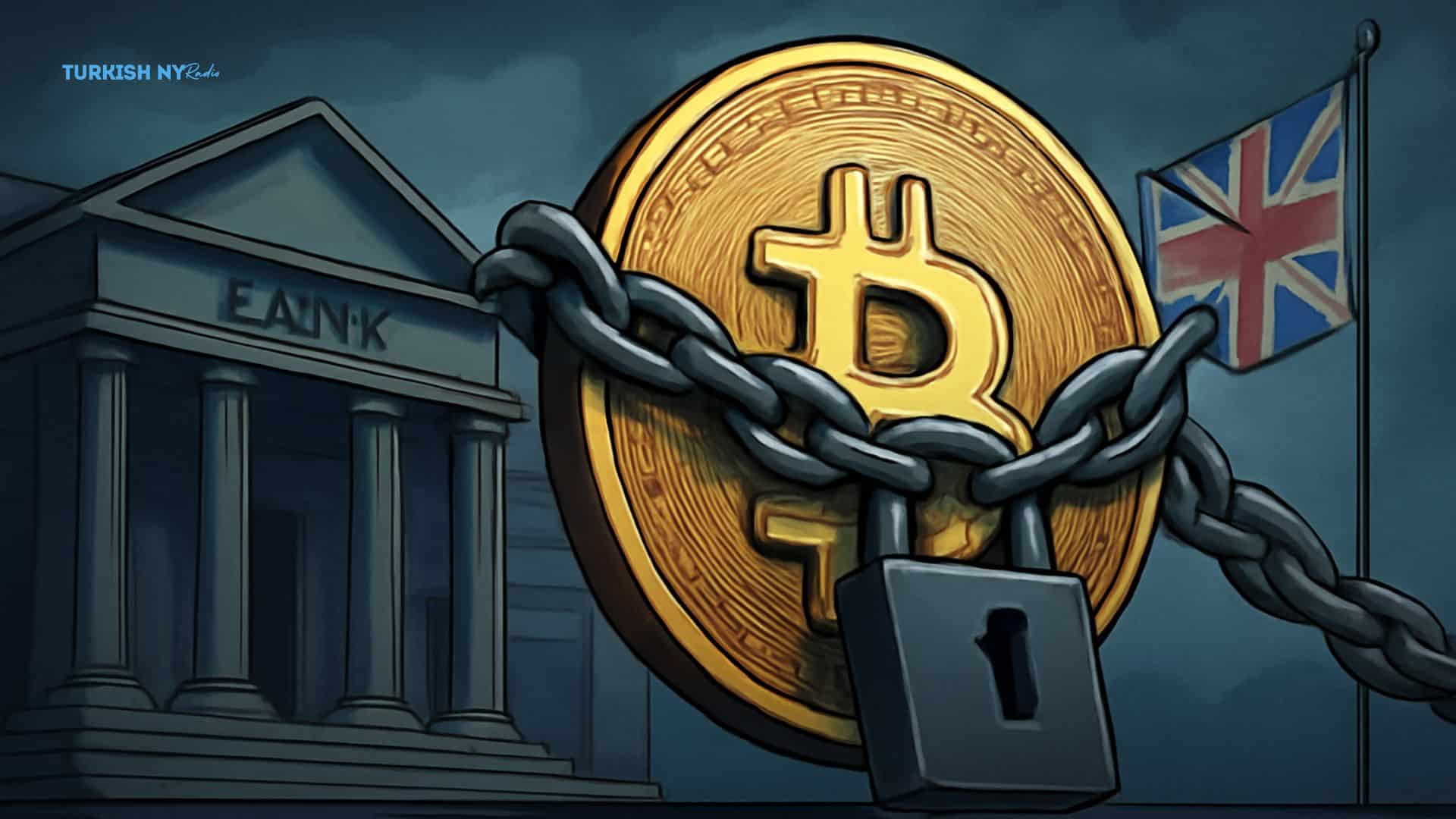
UK crypto users are increasingly struggling to fund their accounts, with regulatory hurdles and banking restrictions hindering their access to digital assets. Despite cryptocurrency trading being legal in the UK, these barriers are proving a significant obstacle for many investors.
40% of UK Crypto Users Face Banking Restrictions
An IG Group survey, which included 500 UK crypto users and a broader sample of 2,000 adults, revealed that 40% of UK crypto users reported their banks had blocked or delayed payments to crypto providers. Among those affected, 29% lodged complaints with their banks, while 35% switched to other lenders.


When asked about banks intervening in crypto transactions, 42% of the broader sample opposed such actions, while 33% expressed support. Michael Healy, IG’s UK managing director, emphasized that millions of UK crypto users are being “locked out” of crypto simply due to their bank’s policies.
UK Crypto Users Facing Banking Restrictions
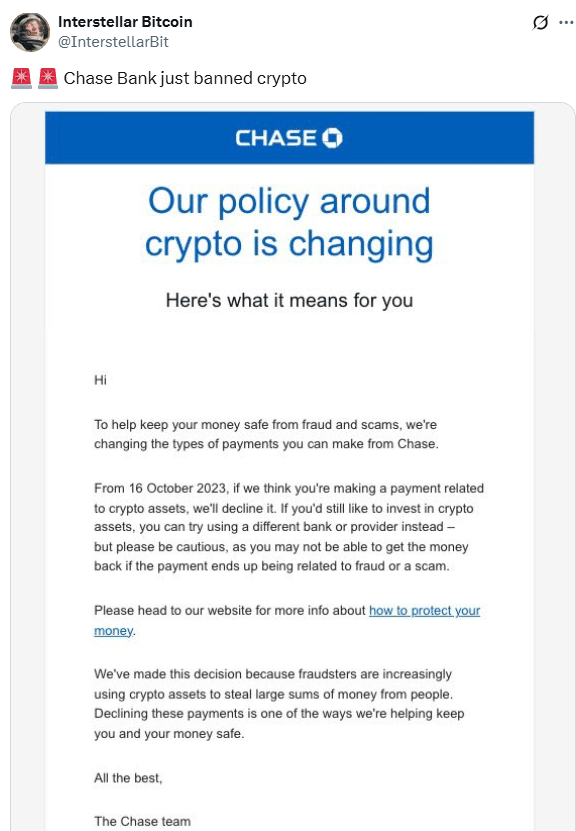
Numerous mainstream banks, such as Chase UK and NatWest, have tightened up, by limiting transactions to crypto exchanges as a method of fraud prevention. These measures have faced strong opposition from UK crypto users, who argue they are overly restrictive and hinder access to digital assets.
Although cryptocurrency trading is not forbidden in the UK, its market is regulated by the Financial Conduct Authority (FCA), which forces crypto companies to be registered in order to offer fiat on- and off-ramps in pounds.
The FCA has banned retail customers from using borrowed funds, including credit cards, to trade digital assets, further limiting liquidity for UK crypto users.
UK Crypto Users Criticize the Slow Regulatory Approach
The UK’s regulatory approach to cryptocurrency has come under scrutiny. Former Chancellor George Osborne has warned that the UK is “falling behind” in the global crypto race. He stated that the country’s failure to embrace digital assets like stablecoins has weakened its position in the international financial arena.
Stablecoins and the UK Crypto Market Gap
Osborne’s criticism focuses particularly on stablecoins. The US dollar predominantly dominates the $288 billion stablecoin market. However, pound-denominated stablecoins account for just $616,000, a stark contrast to the dominance of the US dollar in this space.
UK crypto users have expressed frustration over the lack of pound-backed stablecoins, further highlighting the country’s slow pace in adapting to the digital asset revolution.
Incremental Regulatory Changes for UK Crypto Users
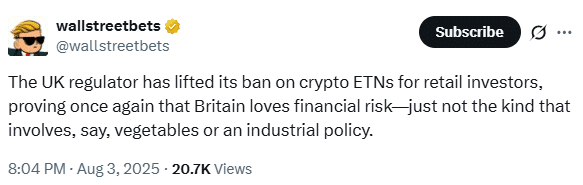
While the UK crypto sector faces significant challenges, there have been incremental regulatory changes. For instance, the FCA recently lifted its ban on the retail trading of crypto exchange-traded notes (ETNs).
This change, effective October 8, marks a step toward more inclusive regulations for UK crypto users, reflecting the sector’s maturation.
Banking Interference in Crypto Transactions
Banking interference remains a critical issue for UK crypto users. Many crypto investors have voiced concerns that banks are unfairly blocking or delaying their payments, restricting access to their digital assets.
These actions, while sometimes justified as fraud prevention, are widely seen as overly restrictive and counterproductive for the broader crypto community.
What Needs to Change for UK Crypto Users?
In the case of the UK, transparency in banking policies and the instigation of a more active regulatory environment are the focal points of the ability to have a more steady level of access to crypto. The restrictions on the banks and the restrictions posed by the FCA have made the climate very difficult to navigate for crypto investors.
In future, the UK will have to focus on decreasing banking interference. Stimulating a regulatory environment with the digital asset market can grow.
Conclusion
Crypto users in the UK are increasingly being hampered in their attempt to fund their accounts, with banking barriers and regulatory controls limiting access to the digital asset space. Although certain regulatory changes have occurred, there are still certain obstacles.
In order to remain competitive in the changing international crypto environment, the UK has to keep improving their policies regarding cryptocurrency regulation and the approach to banking.
Also read FCA’s Crypto Blueprint: Will the UK Become a Global Hub or Regulatory Stronghold?
Summary
Banking restrictions in the UK cryptos are proving challenging with 40% reporting difficulty receiving payments sent to crypto services, or having to wait longer to do so, as per a recent survey. Such impediments are credited to tight banking regulations and policies including the move by the FCA to limit the use of borrowed funds to buy crypto.
In spite of the legal nature of cryptocurrency trading, these factors prevent the further participation of the market. Clinging to the old order, experts fear that the UK may become left behind in the crypto race since it is slowly adopting digital assets and stablecoins in particular.
Frequently Asked Questions (FAQ)
1. Why are UK crypto users facing difficulties with funding accounts?
UK crypto users are encountering banking restrictions, including delays and blockages of payments to crypto exchanges, primarily under the pretext of fraud prevention.
2. What role does the FCA play in UK crypto regulations?
The FCA regulates cryptocurrency firms, requiring them to be registered to provide fiat on- and off-ramps in British pounds. The FCA also prohibits the use of borrowed funds, such as credit cards, for purchasing crypto assets.
3. How have UK crypto users reacted to bank interference?
Many UK crypto users have expressed frustration with banks blocking or delaying crypto transactions. A significant number have lodged complaints or switched banks in response.


4. Why is the UK falling behind in the global crypto race?
Experts like George Osborne argue that the UK’s slow adoption of digital assets like stablecoins is putting it at a disadvantage compared to other financial centers.
Appendix: Glossary of Key Terms
Crypto Providers – Companies or platforms that facilitate cryptocurrency transactions, such as exchanges.
FCA – Financial Conduct Authority, the UK’s financial regulatory body overseeing crypto services.
Fiat On/Off Ramps – Systems that allow users to exchange cryptocurrencies for traditional currencies like GBP.
Stablecoins – Cryptocurrencies pegged to the value of stable assets, such as the US dollar, to reduce volatility.
ETNs – Exchange-Traded Notes, financial products that allow crypto exposure through traditional markets.
Retail Trading – The buying and selling of assets, such as cryptocurrencies, by individual investors.
References