The Hidden World of Altcoins Everyone’s Talking About
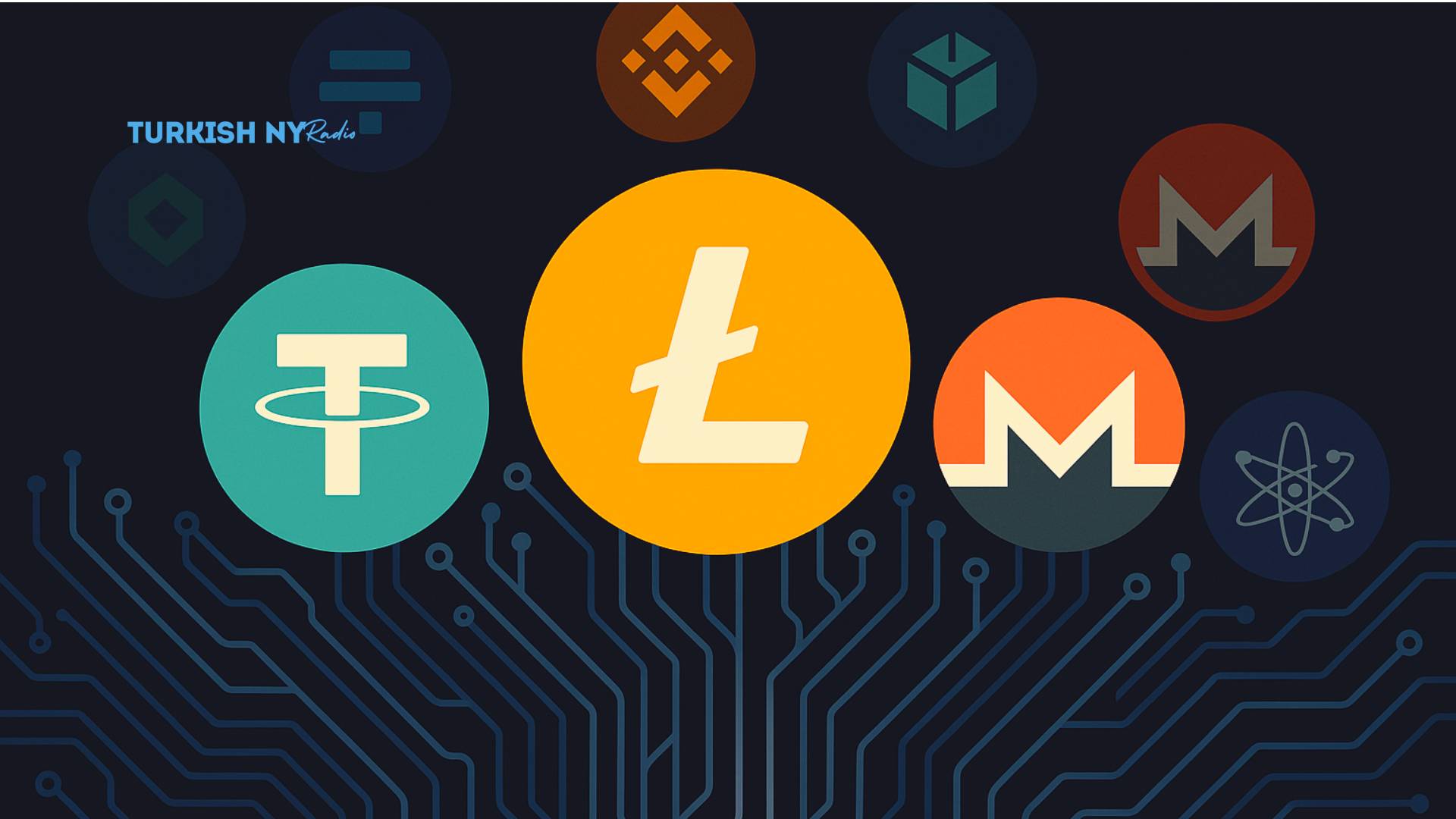
Bitcoin may still make headlines, but it no longer commands the crypto limelight. Behind the scenes, altcoins, the thousands of digital assets other than Bitcoin, are powering some of finance’s most daring developments.


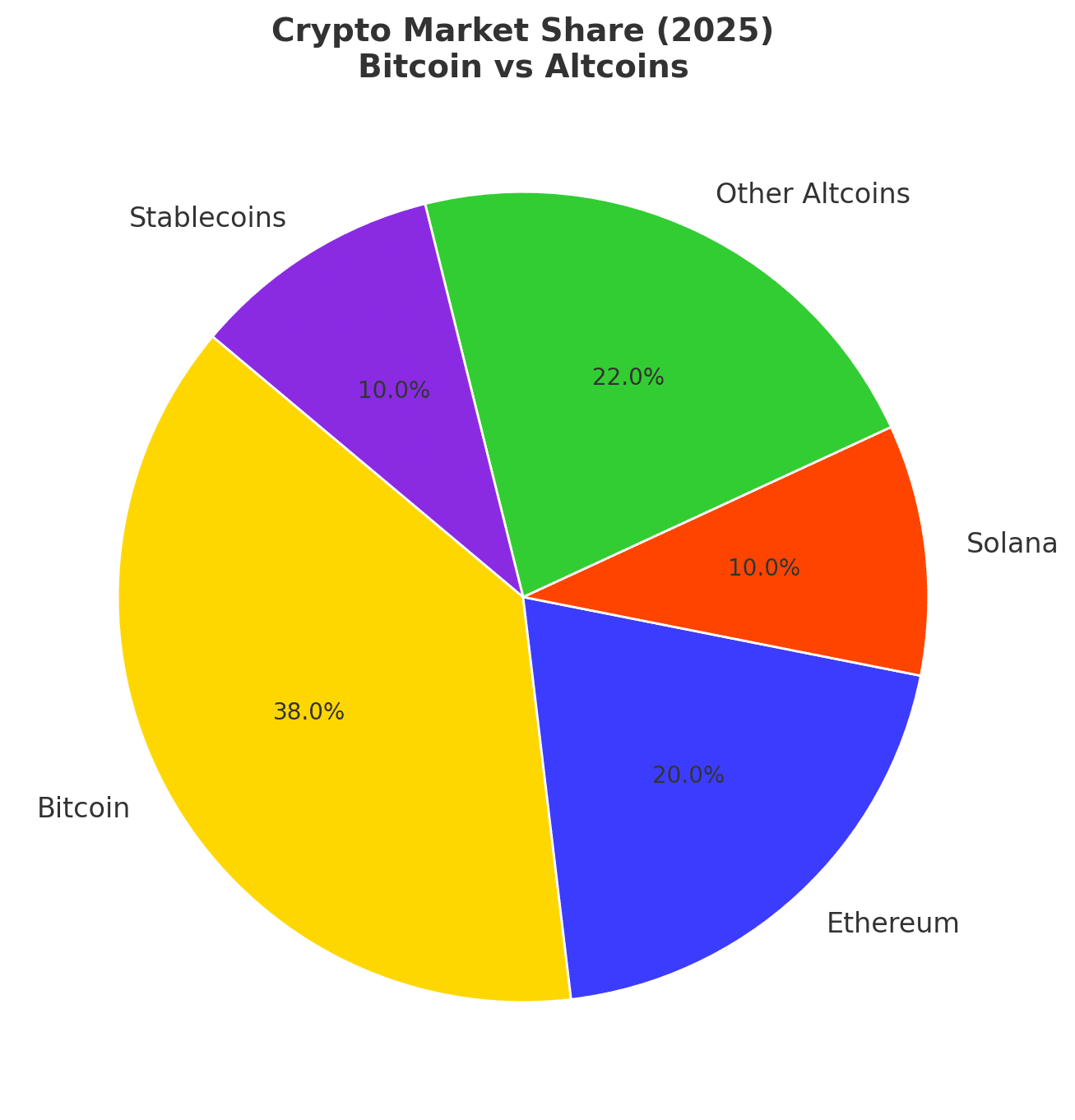
They enable decentralized apps, tokenized assets, and smart contracts. According to Messari, altcoins now account for more than 60% of the overall crypto market, demonstrating that they are no longer simply minor players.


Beyond Bitcoin: How altcoins Break the Mold
Bitcoin was created to serve as a rare store of value, or digital gold. Altcoins push such boundaries. Ethereum pioneered smart contracts, which turned blockchain into a programmable network.
Solana prioritizes speed, executing thousands of transactions in seconds. Privacy coins provide anonymity, whilst stablecoins are tied to currency for stability.
Each altcoin provides a test of whether blockchain can be quicker, safer, or more useful. Gavin Wood famously stated, “Altcoins are the laboratories of blockchain.”
Also read: Wholesale Digital Gold: Can Blockchain-Style Innovation Transform the $900B Gold Market?
Why Alternative Coins Could Be the Key to Mass Adoption
Altcoins are more than simply alternatives; they are the engines driving blockchain’s worldwide adoption. Decentralized finance, which is mostly based on cryptocurrencies, was worth more than $150 billion last year. From lending and borrowing to NFT marketplaces, these tokens provide opportunities that Bitcoin alone cannot.
On forums and trading platforms, experts use Solana’s rise as an example. Its speed and cheap costs have raised questions about whether it can compete with Ethereum in the long term. This debate alone demonstrates how cryptocurrencies have captured the attention of traders and developers alike.
Inside the altcoin market: indicators that matter
Tracking cryptocurrencies needs going beyond price. Trading volume, wallet activity, and total value locked are all important indicators of health. According to Coinglass statistics, cryptocurrency derivative trading volumes reached $100 billion in just one month. That level of liquidity indicates significant global demand.
Another indicator is an increase in wallet size. A rush in new wallets often indicates more people joining a network, rather than merely speculative buzz. These indicators assist traders and analysts in cutting through the noise to determine whether cryptocurrencies have long-term potential.
The Risk Factor: Why Alternative Coins Are a Double-Edged Sword
Every opportunity entails risk. Altcoins are unpredictable, often climbing 50% in a week before dropping just as rapidly. Bugs in smart contracts have resulted in multimillion-dollar exploits. Governments are also debating how to categorize tokens; thus, regulations are rapidly changing.
The European Union’s MiCA framework already establishes stringent requirements, while US authorities are still investigating whether certain tokens qualify as securities. That’s why investors must exercise caution.
“This post is intended for informative purposes only and does not provide financial advice. Readers should do their own research before making any investing decisions.
Also read: Crypto Market Capitalization Explained: The Key Metric Every Trader Must Know
Real-World Proof: Altcoins are Already Winning
Altcoins are not hypothetical. They are utilized on a daily basis. Stablecoins currently dominate remittances, resulting in lower cross-border costs.
Tokens are used to pay participants on gaming platforms, resulting in the creation of new digital economies. Institutions are even experimenting with tokenized assets, like as real estate and bonds, via cryptocurrency networks.
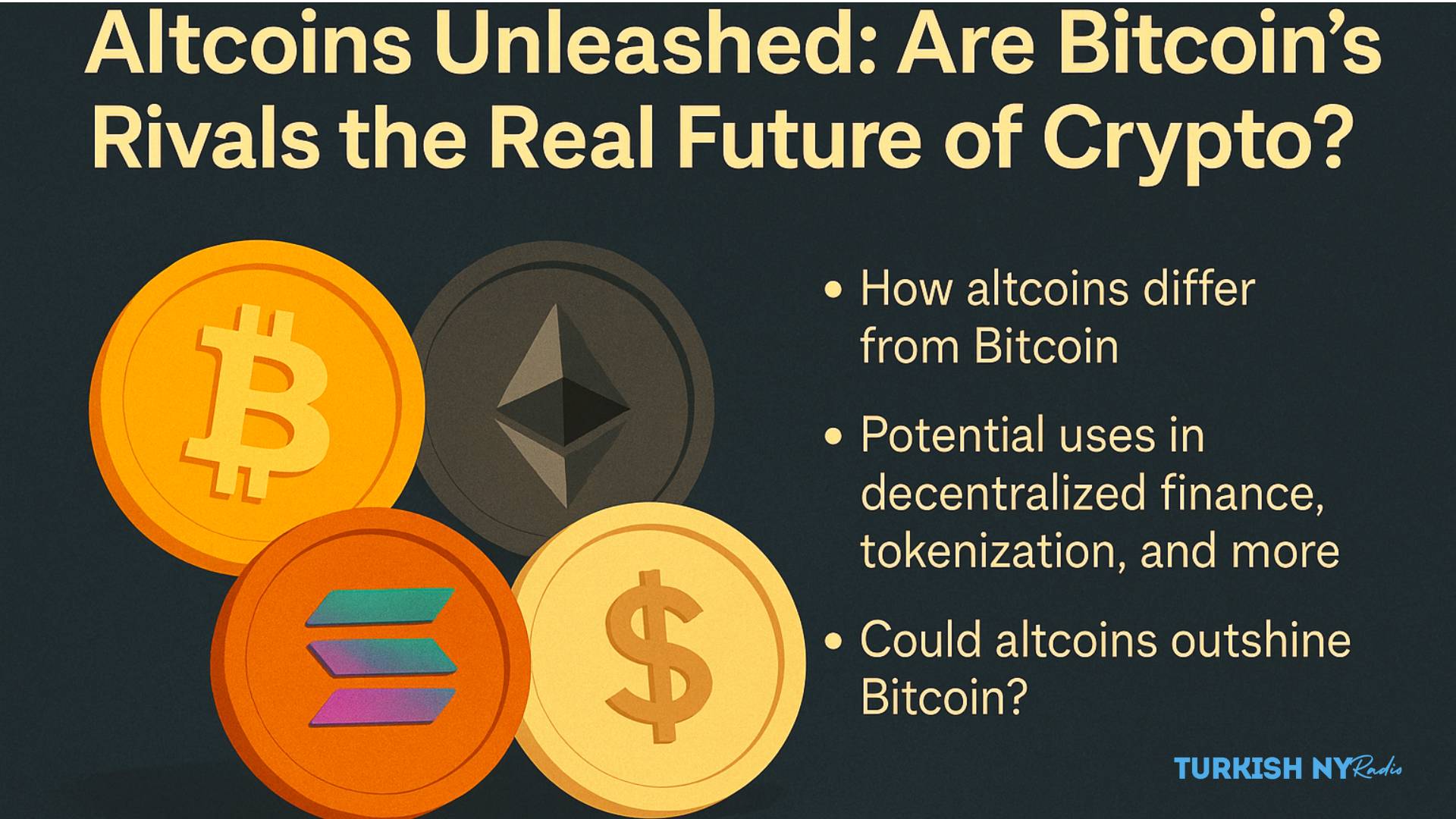
These real-world applications demonstrate why cryptocurrencies are important. They expand blockchain’s reach into sectors that affect millions of people.
The Big Question: Will Altcoins outperform Bitcoin?
Bitcoin stays king, supported by scarcity and security. But cryptocurrencies aren’t aiming to replace it; instead, they’re creating new pathways alongside it. While Bitcoin may be a safe haven, altcoins are innovators.
Both play important roles in the digital economy, and when they work together, they can propel cryptocurrency further than they could alone.
Conclusion: Altcoins Are Not Just “Alternatives”
Altcoins are no longer a shadow of Bitcoin. They are the creative heartbeat of blockchain, pushing boundaries and unleashing new possibilities. Altcoins are influencing the digital future in areas like as decentralized finance and tokenized economies.
Learning about altcoins is not optional for traders, developers, or financial students; it is fundamental. Because the next innovation in cryptocurrency may not come from Bitcoin, but from one of its competitors.
Glossary of Key Terms
Smart Contract: A self-running agreement on a blockchain.
Stablecoin: A crypto asset pegged to fiat money.
Tokenization: Turning physical assets into digital tokens.
Governance Token: A coin that gives holders voting rights.
Market Cap: The total value of a cryptocurrency in circulation.
FAQs for What Are Altcoins
1. What exactly is an altcoin?
An altcoin is any cryptocurrency outside of Bitcoin, often designed with unique features or purposes.
2. Why do altcoins exist if Bitcoin already works?
They solve problems Bitcoin doesn’t address, such as faster transactions, privacy, or programmable contracts.
3. Are altcoins more profitable than Bitcoin?
Altcoins can deliver bigger short-term gains, but they also carry higher risks and volatility.
4. Do regulators accept altcoins?
Some are regulated, like stablecoins, while others face legal uncertainty depending on the country.
5. Will altcoins ever replace Bitcoin?
Unlikely. Bitcoin’s security and brand dominance are unmatched, but altcoins expand crypto’s overall use.