
This article was first published on TurkishNY Radio.
U.S. lawmakers are once again stuck at a familiar crossroads, and this time the traffic jam is hard to ignore. The latest pause in crypto legislation is not really about whether digital assets belong in mainstream finance. That part is already moving.


The real fight is over who gets to benefit from the returns generated by dollar-backed tokens, and whether those benefits should reach users directly. In Washington, that question has turned stablecoin yield into the issue that now threatens to delay a broader crypto market structure bill just as pressure to deliver a framework is rising.
Why the stablecoin yield fight is holding up the bill
At the center of the dispute is a simple but politically loaded question: should crypto firms and stablecoin issuers be allowed to pass rewards to users, or should that economic value remain boxed inside the regulated banking system?
The current legislative stalemate reflects how sharply that line divides banks, crypto companies, and parts of the Senate. Recent reporting shows that negotiations have narrowed around amendments tied to stablecoin yield, with Senator Thom Tillis viewed as a pivotal vote and Senator Angela Alsobrooks linked to earlier proposals that would limit certain rewards.
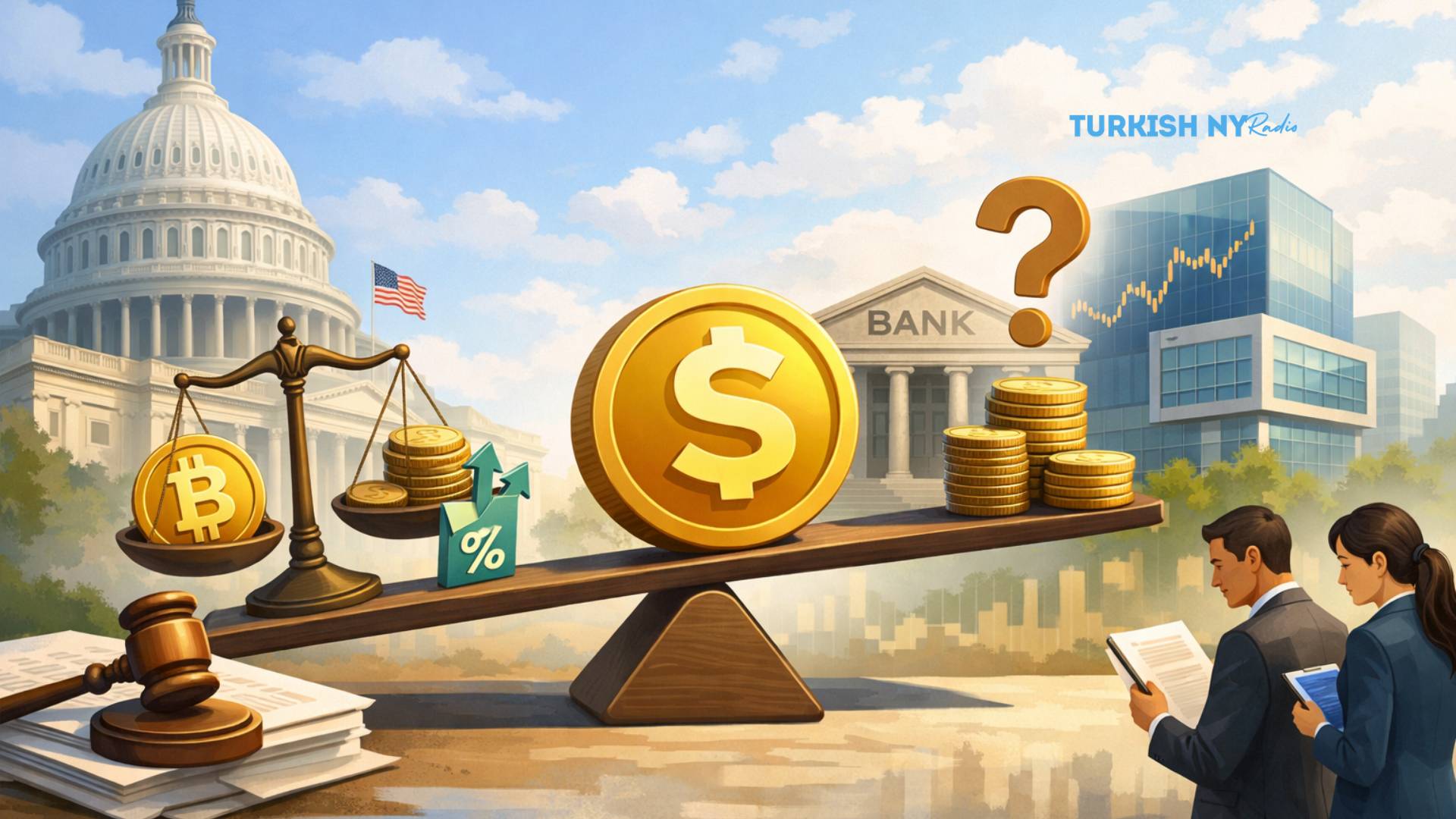
Banks see the matter as more than a product tweak. Their concern is that if digital dollar products begin to look too much like bank deposits, money could move out of traditional accounts and into tokenized alternatives. That would matter because deposits are the raw material banks use to fund lending.
A January estimate from Standard Chartered said U.S. banks could lose as much as $500 billion in deposits to stablecoins by 2028, which helps explain why the industry is resisting looser rules around stablecoin yield.
Crypto firms, on the other hand, argue that blocking rewards would tilt the field in favor of incumbents. That frustration has spilled into public comments. White House crypto and AI adviser David Sacks wrote that “crypto has made major concessions on stablecoin yield; time for banks to respond accordingly.” President Donald Trump also escalated the rhetoric this week, saying,
“We are not going to allow them to undermine our powerful Crypto Agenda.” X
What the fight means for crypto markets
For investors, the stablecoin yield battle is not some technical side note. It cuts to the economics of user growth, exchange competition, and on-chain dollar liquidity. If issuers can share reserve-based returns, stablecoins become more attractive for payments, trading balances, and idle capital.
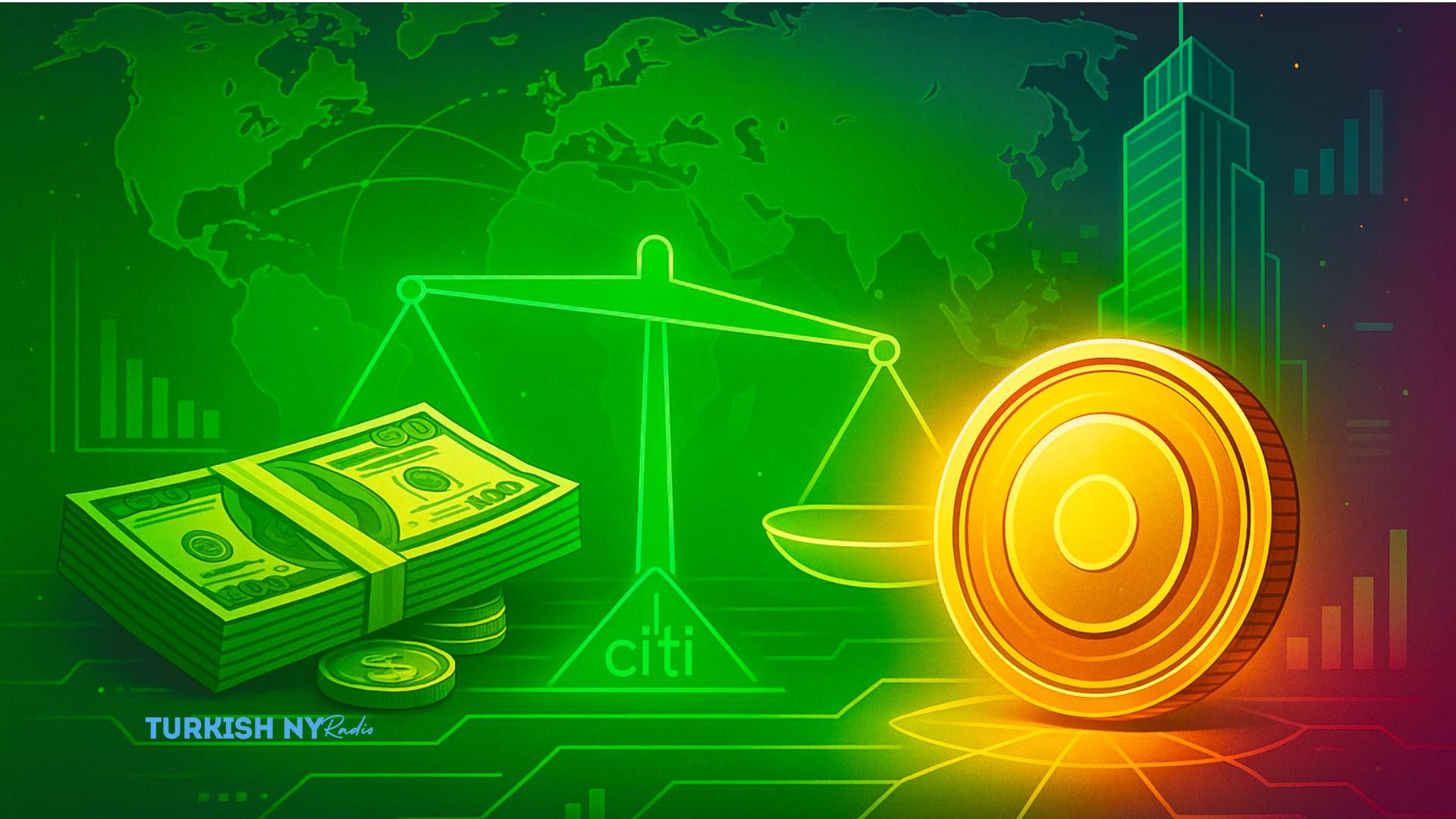


If lawmakers shut that door, growth may still continue, but the product becomes less compelling versus a bank account or money market fund. That is why this debate has taken so much oxygen out of the room while other issues, including DeFi treatment, remain unresolved.
The market signal here is mixed, not bearish across the board. While Congress is still wrestling with stablecoin yield, U.S. banking regulators moved in the opposite direction on tokenization. On March 5, the Federal Reserve, FDIC, and OCC said eligible tokenized securities should generally receive the same capital treatment as their non-tokenized versions, adding that the capital rule is “technology neutral.” That does not solve the bill fight, but it shows regulators are not trying to wall off every blockchain-based financial product.
In practical terms, the policy split is now clear. Washington appears willing to accept tokenization as infrastructure, but it is still debating whether stablecoin yield creates a shadow banking problem. That distinction matters because it tells investors where friction still lives.
Conclusion
The bill has not collapsed, but it has clearly slowed. Right now, stablecoin yield is the hinge issue, and the outcome will shape how digital dollars compete with bank deposits in the U.S. market. If a compromise lands, the sector gets a clearer runway. If it does not, the industry may keep moving, but under the same fog that has frustrated operators for years. For crypto, that is the whole story in one line: the rails are being built, but the rules around the rewards are still up for grabs.
Frequently Asked Questions (FAQs)
Why is the bill delayed?
The main delay comes from disagreement over stablecoin yield and whether crypto firms should be allowed to offer user rewards tied to stablecoin activity.
Why do banks oppose it?
Banks worry that stablecoin yield could pull deposits away from traditional accounts, weakening a major funding source for lending.
Is tokenization facing the same pushback?
Not exactly. Regulators said eligible tokenized securities generally receive the same capital treatment as non-tokenized securities.
Glossary of Key Terms
Stablecoin
A crypto asset designed to maintain a steady value, usually by tracking the U.S. dollar.
Stablecoin yield
A reward or return connected to holding or using a dollar-backed token.
Tokenized securities
Traditional financial assets whose ownership is represented on distributed ledger infrastructure. (Federal Reserve)
Market structure bill
A proposed U.S. legislative framework meant to define how digital asset firms, products, and activities should be regulated.
Sources