![Sun [New]](https://s2.coinmarketcap.com/static/img/coins/64x64/10529.png)


This article was first published on TurkishNYR.
Security in crypto has a funny way of turning “I will do it later” into “I wish I did it sooner.” The shift into 2026 is making that lesson even sharper, because scams are not only more common, they are also more polished. A fake airdrop page looks like a real brand launch. A wallet drainer contract reads like a harmless approval. One distracted click can undo months of careful saving.


That is why crypto wallets in 2026 are less about shiny features and more about boring, dependable protections that hold up when a user is tired, rushed, or using a new dApp for the first time. The goal is not to find a “perfect” option. The goal is to match the wallet to how someone actually behaves, then reduce the number of ways a bad day becomes a disaster.
How to judge Crypto Wallets in 2026
A secure wallet choice starts with one simple question: where do the keys live, and who can touch them? If private keys stay offline on a dedicated device, most remote attacks die on arrival. If keys sit on an everyday phone that also installs random apps, risk climbs fast.
When comparing crypto wallets, five indicators usually separate the strong options from the “fine until it is not” ones.
First is attack surface as air gapped signing, QR workflows, and offline key storage reduce exposure dramatically.
Second is transaction clarity, meaning the wallet helps users understand what they are approving, not just that they are approving something.
Third is recovery design. The safest wallet in the world is still a mess if recovery is confusing, fragile, or easy to compromise.
Fourth is verifiability, such as open-source code or strong transparency around security architecture.
Fifth is practical usability as a wallet that is too annoying often gets bypassed, and that is how people end up keeping long-term funds on exchange accounts.
With that filter in place, here are 5 options that stand out going into 2026.
1) Trezor Safe 5, strong recovery options with modern hardware security
Trezor Safe 5 earns its place because it blends usability with serious defenses, especially for people who want transparent security with a more premium daily experience. The device highlights an EAL 6+ secure element, plus PIN and passphrase protection, which matters because physical access attacks are a real category of risk, not a theoretical one.
Pricing is typically listed at $169, which sits in that mid-to-premium hardware tier. In practice, the value comes from the recovery approach and the fact that the device is designed to be used regularly, not stored in a drawer and forgotten. For anyone treating self-custody like a long-term habit, Crypto Wallets that feel “doable every day” tend to win.
2) Ledger Nano X, a widely used option for people who balance mobility and cold storage
Ledger Nano X remains popular because it targets a real-world behavior: people want security, but they also want to manage funds without turning every transfer into a weekend project. The Nano X is built around a secure element and the company’s operating system, with on-device transaction approval so the user stays in control of signing.
Pricing varies by region and retailer, and it is often cited at around $135 in comparisons, although buyers should always check the current checkout total in their market. The more important point is not the number, it is the workflow: this is one of the Crypto Wallets designed for people who move between mobile and desktop, and want a mature ecosystem with broad asset support.
3) Blockstream Jade Plus, an open-source Bitcoin-first security that stays approachable
For Bitcoin-focused users, Jade Plus is appealing because it leans into transparency and a simpler mission. Blockstream describes Jade as fully open-source, and also positions it as a hardware wallet designed to keep keys protected for self custody. The company also discusses its “virtual secure element” approach as part of the security model.
Pricing is commonly shown at $149 for the standard variant, with some variants listed at $169. The bigger story is who it fits: people who want Crypto Wallets that stay close to Bitcoin fundamentals, avoid unnecessary complexity, and still feel modern enough to use without friction.
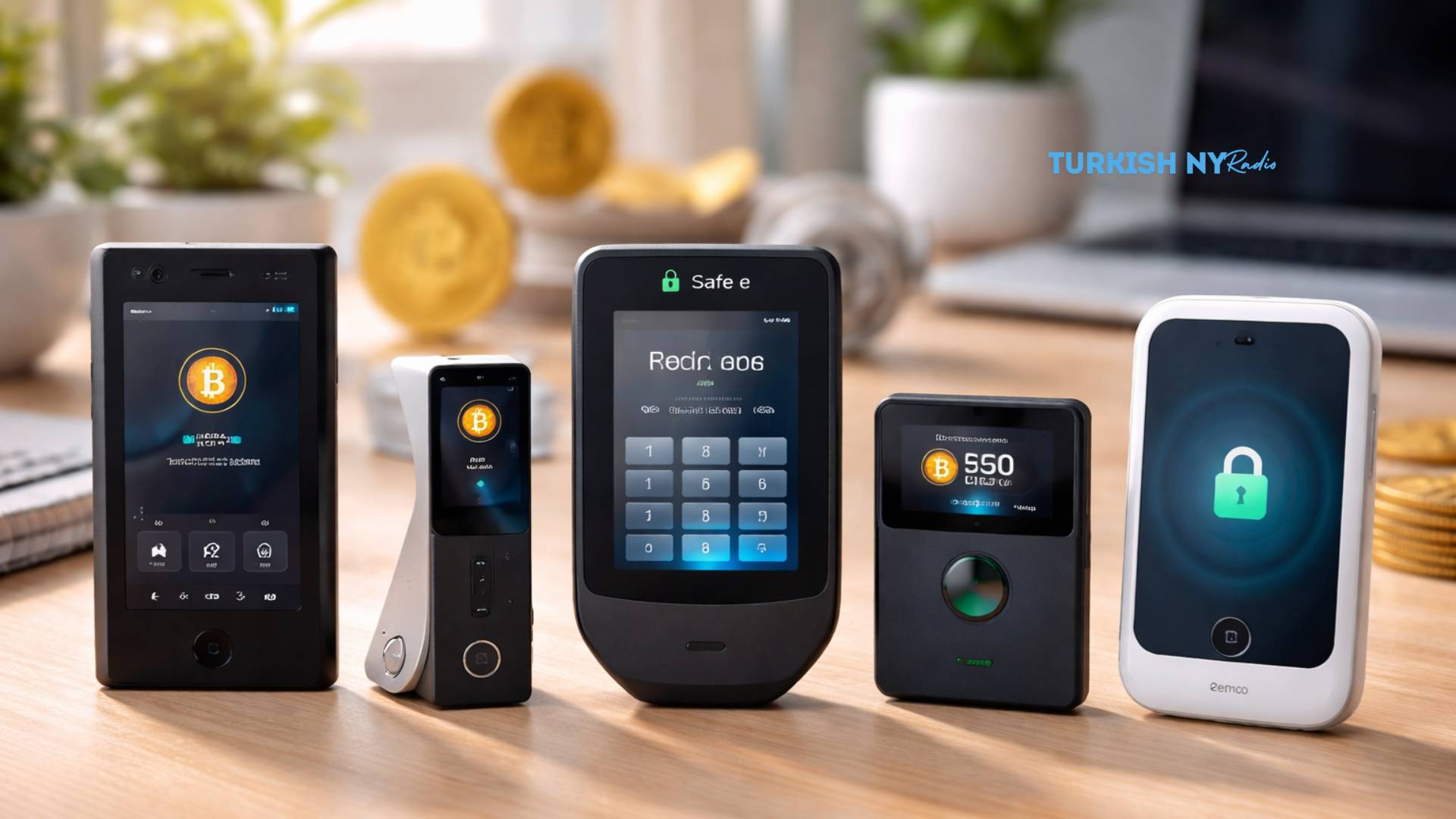
4) Keystone 3 Pro, air gapped design for users who prioritize isolation
Keystone 3 Pro is built around a very direct security idea: reduce connectivity, reduce risk. Its positioning emphasizes an air gapped mode intended to eliminate connectivity exposure, which appeals to users who want separation between their signing device and internet-connected machines.
The listed price is often shown at $149 as for many holders, the best thing about this class of wallet is psychological as much as technical. Air gapped Crypto Wallets push users into a slower, more deliberate rhythm. That pause is where a lot of scams fail, because scams rely on speed and distraction.
5) Zengo, seedless MPC custody design for people who fear phrase loss more than anything
Not everyone is ready for seed phrase discipline, and pretending otherwise is how people end up storing phrases in screenshots, email drafts, or cloud notes. Zengo takes a different route by emphasizing MPC and positioning itself as a self-custodial wallet without the traditional single private key or seed phrase vulnerability.
This matters because in 2026, one of the most common failure modes is still recovery mishandling, not advanced hacking. For users who want Crypto Wallets that reduce the chance of “lost phrase, lost funds,” MPC-based models can be a practical fit, especially when paired with careful device security and strong account protections.
The security habits that matter more than brand names
Even the best wallet cannot protect someone who signs blindly. Most losses in self custody start with a permission or signature that the user did not understand, then everything unravels from there.
A simple framework helps: separate long-term storage from daily spending, keep approvals tight, and treat every new dApp like a first date, meaning cautious until trust is earned. In 2026, Crypto Wallets that make transaction intent clearer are doing users a favor, because people are human and humans misread screens when they are in a hurry.
Also, recovery should be tested early. A wallet setup that has never been restored is not a backup plan, it is just optimism with extra steps.


Conclusion
Picking a secure crypto wallet in 2026 is less about chasing the latest device and more about matching security architecture to real behavior. Hardware wallets shine for long-term holdings because keys stay offline. Air gapped designs raise the difficulty for attackers by lowering connectivity. MPC-based approaches can reduce recovery mistakes for users who struggle with seed phrases.
The smartest approach is often a two-wallet lifestyle: one for storage, one for daily use, with clear boundaries between them. When Crypto Wallets are chosen with that mindset, they stop feeling like gadgets and start acting like seatbelts, not exciting, but deeply valuable the moment something goes wrong.
Frequently Asked Questions
Which is safer in 2026, hardware or software?
Hardware is generally safer for long-term storage because keys stay offline, which blocks most remote attacks. Software wallets can still be safe for smaller balances and daily activity if the device is secured and the user is careful with approvals. Many people use both types of Crypto Wallets for different purposes.
How much should someone spend on a secure wallet?
A reliable hardware wallet often lands around $149 to $169, based on common listings for several top devices. The right budget depends on how much value will be stored and how often the wallet will be used.
What is the biggest mistake most users make?
The biggest mistake is signing approvals without understanding what they do. The second biggest mistake is storing recovery details in places that are easy to copy, sync, or steal, like screenshots or cloud notes.
Should a user keep funds on exchanges instead?
Exchanges can be convenient, but they carry third-party risk and account takeover risk. Self custody shifts responsibility to the user, which can be safer when done correctly. Many users keep only trading funds on exchanges and store long-term holdings in Crypto Wallets they control.
Glossary of Key Terms
Self-custody: Holding crypto where the user controls the signing power and does not rely on an exchange to move funds.
Seed phrase: A list of words that can restore a wallet. It must be protected because anyone with the phrase can usually take the funds.
Secure element: A hardened chip designed to store sensitive secrets and resist certain physical attacks.
Air gapped signing: A workflow where the signing device avoids direct network connections, often using QR codes or similar methods.
MPC (Multi-Party Computation): A security approach that splits signing power into shares so there is no single exposed private key in one place.
Transaction signing: The act of approving a transfer or smart contract action. This is where many scams trick users, so Crypto Wallets that improve clarity can reduce mistakes.
Sources