![Sun [New]](https://s2.coinmarketcap.com/static/img/coins/64x64/10529.png)
![BitTorrent [New]](https://s2.coinmarketcap.com/static/img/coins/64x64/16086.png)


This article was first published on TurkishNY Radio.
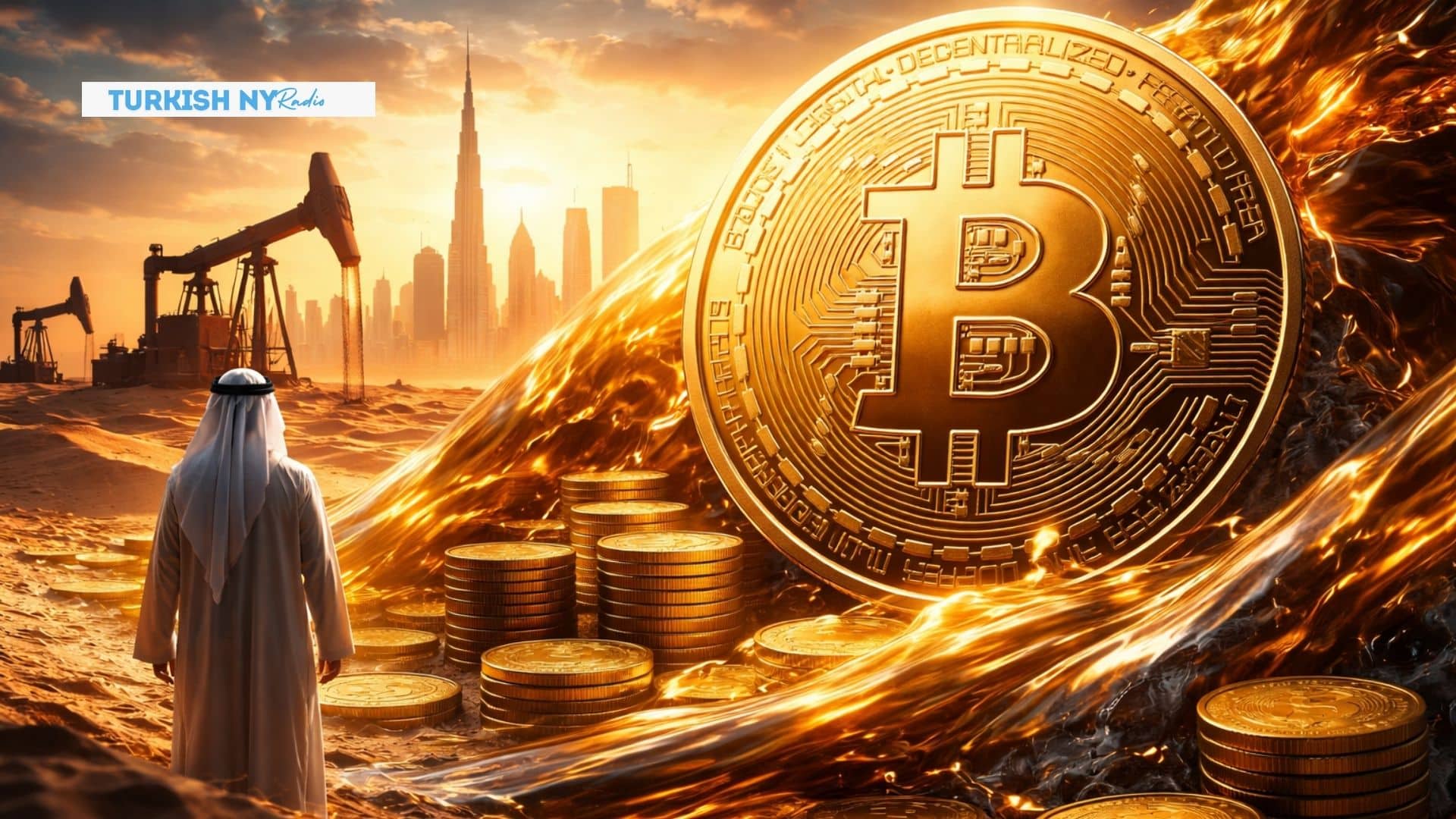
The global financial environment is shifting, and one of the greatest underappreciated changes is the emergence of Gulf Oil Bitcoin holdings. Oil-rich Gulf nations are increasingly looking into BTC as part of their diversification plans, rather than making major statements or implementing headline-grabbing policies.


This transformation is taking place quietly through organizations such as pension funds, wealthy families, and private banks. As revenue from oil remains high yet fluctuating, Bitcoin is being viewed as an asset that will last, suitable for future-oriented portfolios.
Diversification Beyond Energy
In the heart of Gulf Oil, Bitcoin’s tendency is diversity. For several generations, Gulf industries relied heavily on oil revenues. While oil remains crucial, governments and significant investors are actively looking for alternatives to reduce risk. Bitcoin is increasingly seen as a diversified asset that may be held alongside stocks, real estate, and commodities.
Also read: Strive Accelerates Bitcoin Accumulation With $500 Million Preferred Stock Offering
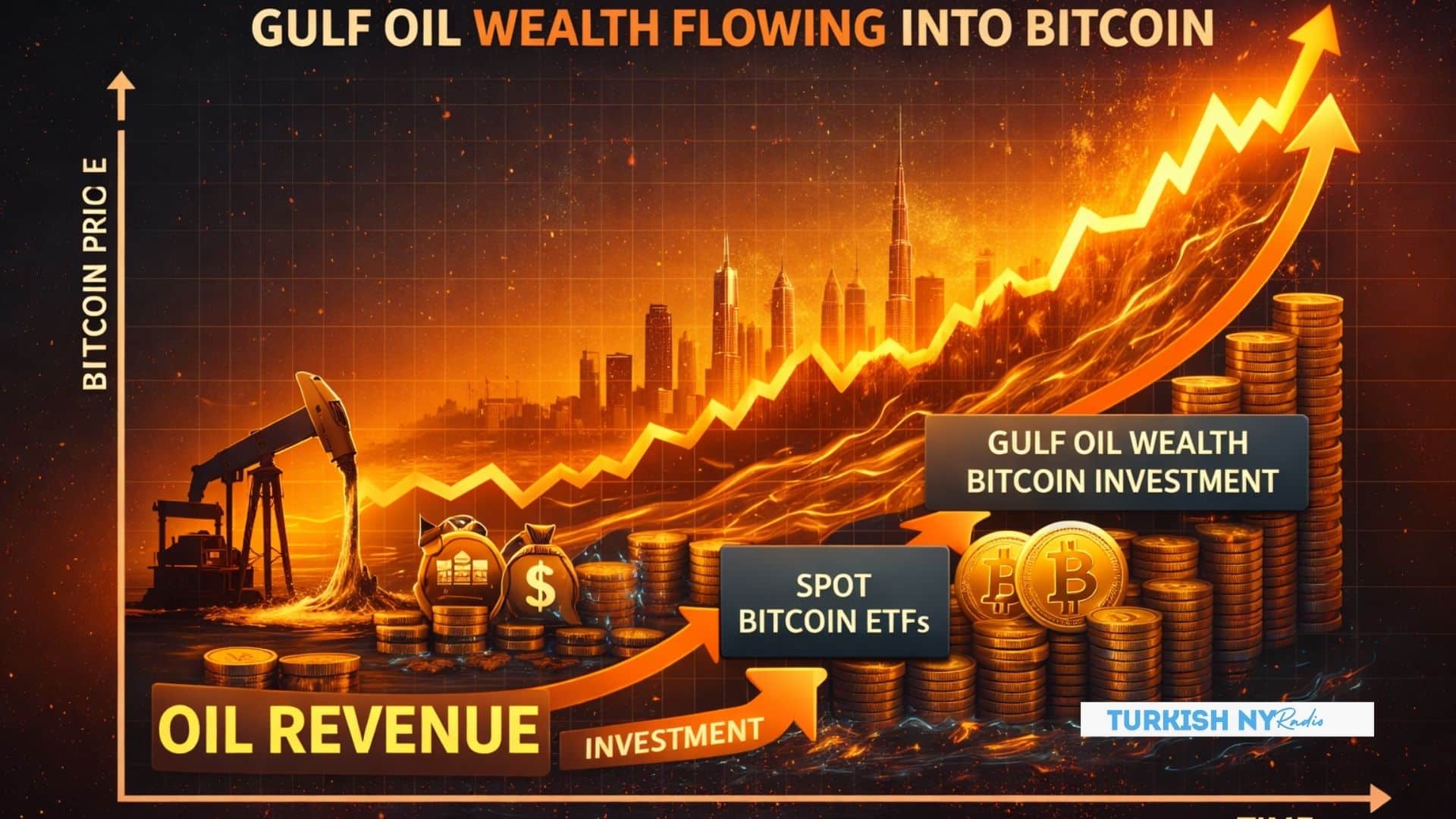
Rather than direct purchases of Bitcoin, many Gulf investors prefer regulated access. Spot Bitcoin ETFs listed in the United States provide a compliant and familiar structure, making them attractive to conservative institutional capital.
Long-Term Capital, Not Short-Term Speculation
Unlike retail traders, Gulf institutions typically invest with long time horizons. This approach shapes how Gulf Oil Bitcoin exposure is structured. Bitcoin, like digital gold, is considered as an asset of strategy rather than a speculative trade.
An investment advisor based in the region explained, “These allocations are small in percentage terms but meaningful in intent. It’s about positioning for the next decade, not chasing price swings.”
Bitcoin ETFs as the Preferred Gateway
The growth of spot Bitcoin ETFs has played a key role in enabling Gulf Oil Bitcoin flows. These products require actual Bitcoin holdings, meaning inflows directly affect demand. While individual allocations may seem modest, the scale of Gulf capital means even small percentages can influence liquidity.
Market analysts note that institutional participation often brings steadier behavior, which can help reduce extreme volatility during certain market cycles.
Regional financial hubs that promote adoption.
Financial hubs like those in Abu Dhabi and the Emirates are tightening regulations for digital assets. This favorable atmosphere is another reason why Gulf Oil’s Bitcoin exposure is increasing. Clear guidelines enable institutions to engage without regulatory ambiguity, matching cryptocurrency investments with established compliance norms.
Conclusion
The Rise of Gulf Oil Bitcoin represents a deliberate and planned progression in global money flows. Gulf investors aren’t dumping oil, but their plans are definitely planning for a more diverse future. Bitcoin is becoming a part of that vision when regulated technologies and long-term planning are implemented.
While the impact might not prove immediately evident, these consistent institutional movements have the potential to significantly shape Bitcoin’s structure and price in the coming years.
Also read: Bitcoin Climbs Back Into The Global Top 8, And The Market Is Paying Attention
Summary
The Gulf Oil Bitcoin pattern demonstrates how oil-derived income from the Gulf is stealthily entering Bitcoin markets. Global trust companies and wealthy families are increasing their exposure through regulated vehicles such as spot Btc ETFs, with an emphasis on diversity and future value compared to speculation. These professional inflows, aided by improved regional legislation, have the potential to steadily boost Bitcoin’s volatility and cement its status as an essential asset in planetary inventories.
Glossary of Key Terms
A Bitcoin ETF Is a registered mutual fund that reflects Bitcoin’s price.
Spot Bitcoin ETF: An exchange traded fund (ETF) with actual Btc deposits.
Sovereign Wealth Fund: A nation-wide investment fund that manages national wealth.
Institutional investors: Are huge organizations that invest on their own individuals or governments. Examples include funds and banks.
Diversification: Is the practice of extending resources over many assets in order to lessen risk.


FAQs for
1. What does “Gulf Oil Bitcoin” mean?
It refers to Gulf oil-derived capital being invested in Bitcoin, mostly through institutional investment instruments.
2. Can Gulf investors purchase BTC directly?
The majority of exposure comes from regulated products such as spot Bitcoin ETFs, versus direct stock.
3. Why does Bitcoin appeal to oil-rich investors?
Bitcoin provides diversity, possible hyperinflation defense, and steady growth opportunities.
4. Will this pattern effect Bitcoin prices?
Institutional inflows tied to Gulf Oil Bitcoin can boost volatility and future demand.
5. Is this an intermittent trend?
No. The strategy implies an overarching geopolitical adjustment rather than opportunistic trading.