![Sun [New]](https://s2.coinmarketcap.com/static/img/coins/64x64/10529.png)

![BitTorrent [New]](https://s2.coinmarketcap.com/static/img/coins/64x64/16086.png)

This article was first published on TurkishNY Radio.
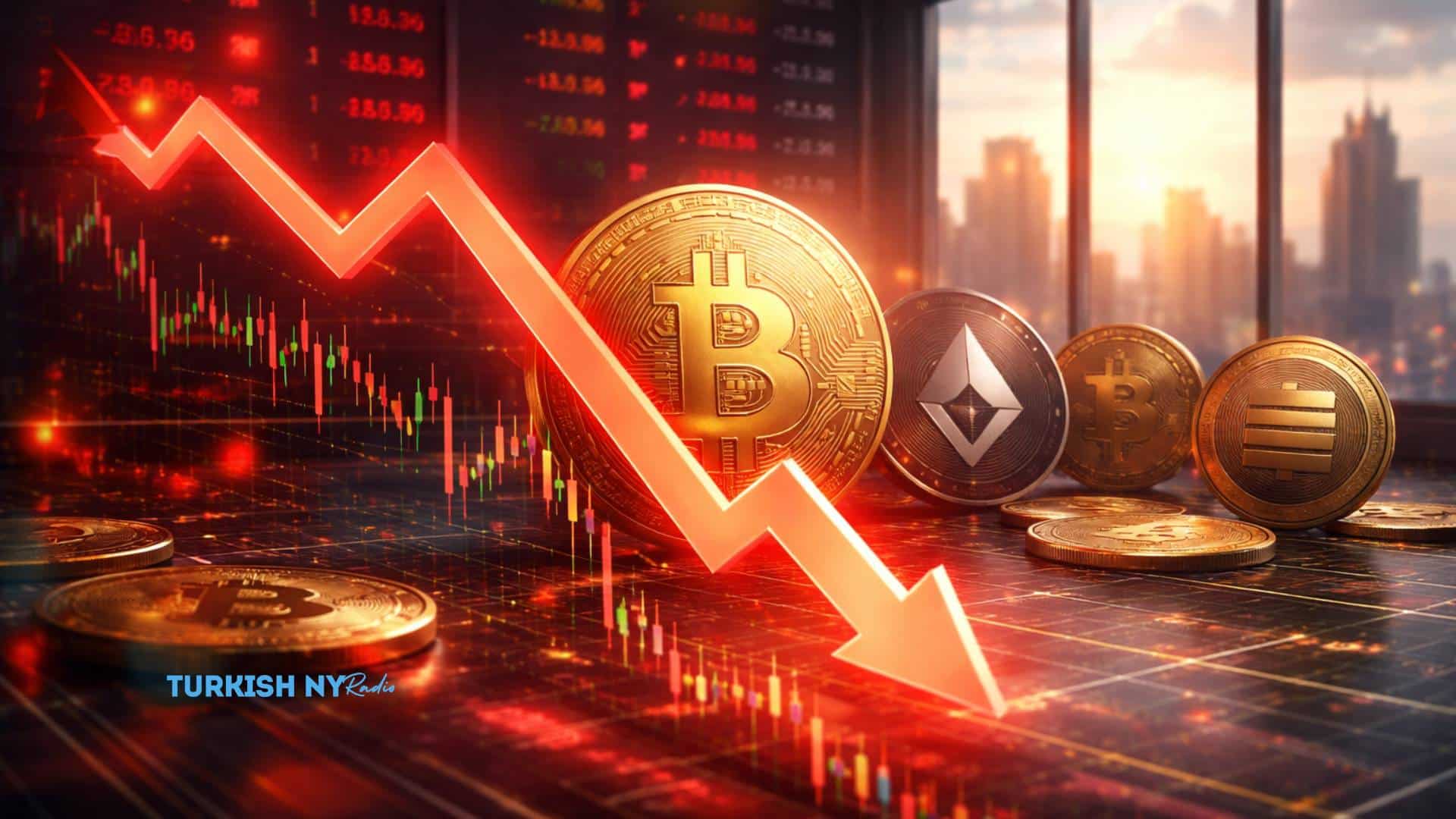
The Bitcoin price often gets treated like a story about crypto alone, but that is rarely the full picture. On some days it trades on flows, ETF demand, or network narratives. On other days, it trades like a barometer for global appetite toward risk. After the latest Federal Reserve meeting, it was clearly the second kind of day.


Rates stayed unchanged, but the message from policymakers was enough to rattle investors who had been looking for a friendlier path toward lower borrowing costs. Powell did not slam the door. He simply did not open it. That was enough to pressure the Bitcoin price and drag the rest of the digital asset space with it.
Why the Bitcoin price still responds to macro pressure
The central bank said inflation remains somewhat elevated and stressed that policy decisions will depend on incoming data, the outlook, and the balance of risks. Updated projections also showed inflation staying firmer than many investors wanted to see.
That matters for the Bitcoin price because an easier monetary policy tends to support broader demand for speculative assets. When traders stop expecting quick cuts, they become more careful. Exposure gets trimmed. Momentum cools. The mood shifts from chasing upside to managing downside.

There was also a psychological wrinkle. Markets can handle bad news when it is obvious. They struggle more when the message is subtle but restrictive. Powell’s comments on persistent inflation and energy-driven price risks told traders that the road back to lower rates may take longer than expected.
That kept pressure on the Bitcoin price even without a formal hawkish surprise. It was a bit like hearing that a storm has changed direction rather than disappeared. The sky may not be falling, but nobody feels like taking unnecessary chances.
What the Bitcoin price is signaling to the wider market
When the Bitcoin price weakens around a major macro event, it often sends a message beyond Bitcoin itself. It tells traders that liquidity expectations are being revised. It also signals caution across correlated assets, especially Ethereum and smaller tokens that depend even more on speculative demand.
That is why a move like this tends to spread quickly. Bitcoin acts as the lead instrument, then the rest of the market follows. Same music, different dancers.
The deeper issue is that the Bitcoin price now sits at the crossroads of two competing forces. On one side, long-term conviction remains supported by institutional interest and Bitcoin’s maturing role in portfolio discussions.
On the other side, short-term trading remains highly sensitive to rates, inflation, and broader financial conditions. The latest Fed meeting strengthened the second force. It reminded traders that even strong structural demand can be interrupted when macro conditions become less forgiving.


What comes next for the Bitcoin price
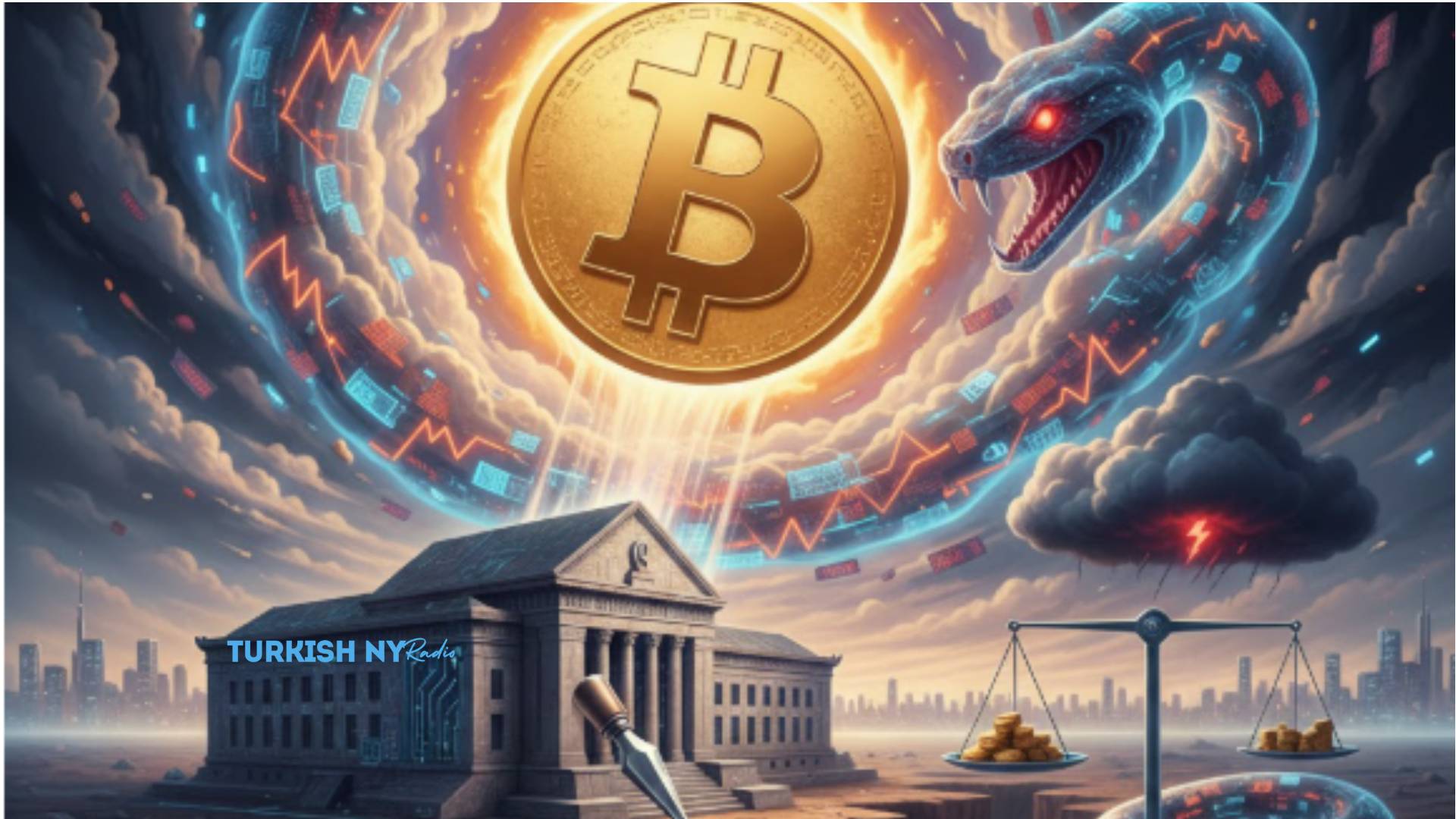
The next phase for the Bitcoin price will likely depend on whether inflation starts to cool more convincingly. If upcoming data ease pressure on the central bank, sentiment could recover fast. If inflation stays sticky and energy prices remain elevated, the market may continue to trade cautiously. That does not mean the trend is broken forever. It means patience matters more now than excitement.
For that reason, the recent decline in the Bitcoin price should be read less as a verdict on crypto and more as a reminder about the environment around it. Central bank policy still shapes capital flows. Capital flows still shape risk appetite. And risk appetite still shapes price action, especially in digital assets.
Conclusion
The latest Fed decision did not crush the crypto narrative, but it did force a reset in expectations. The Bitcoin price came under pressure because traders were reminded that inflation is not yet fully under control and that easy money may not arrive as quickly as hoped. In this kind of setting, macro signals matter just as much as crypto-specific headlines.
FAQs
Why did the Bitcoin price fall after the Fed hold?
Because traders heard a cautious message on inflation and rate cuts.
Did Powell sound hawkish?
He sounded careful rather than aggressively hawkish, but markets still took it as restrictive.
Does Bitcoin always follow Fed policy?
Not always, but macro policy can strongly affect short-term moves.
What should traders watch next?
Inflation data, labor data, and energy prices.
Glossary of Key Terms
Bitcoin price: The market value of Bitcoin at a given time.
Rate cut: A reduction in benchmark interest rates by the central bank.
Macro: Broad economic forces such as inflation, rates, and growth.
Risk appetite: Investor willingness to hold more volatile assets.
Policy projections: Forecasts released by central bank officials on the economy and rates.