![Sun [New]](https://s2.coinmarketcap.com/static/img/coins/64x64/10529.png)


![BitTorrent [New]](https://s2.coinmarketcap.com/static/img/coins/64x64/16086.png)

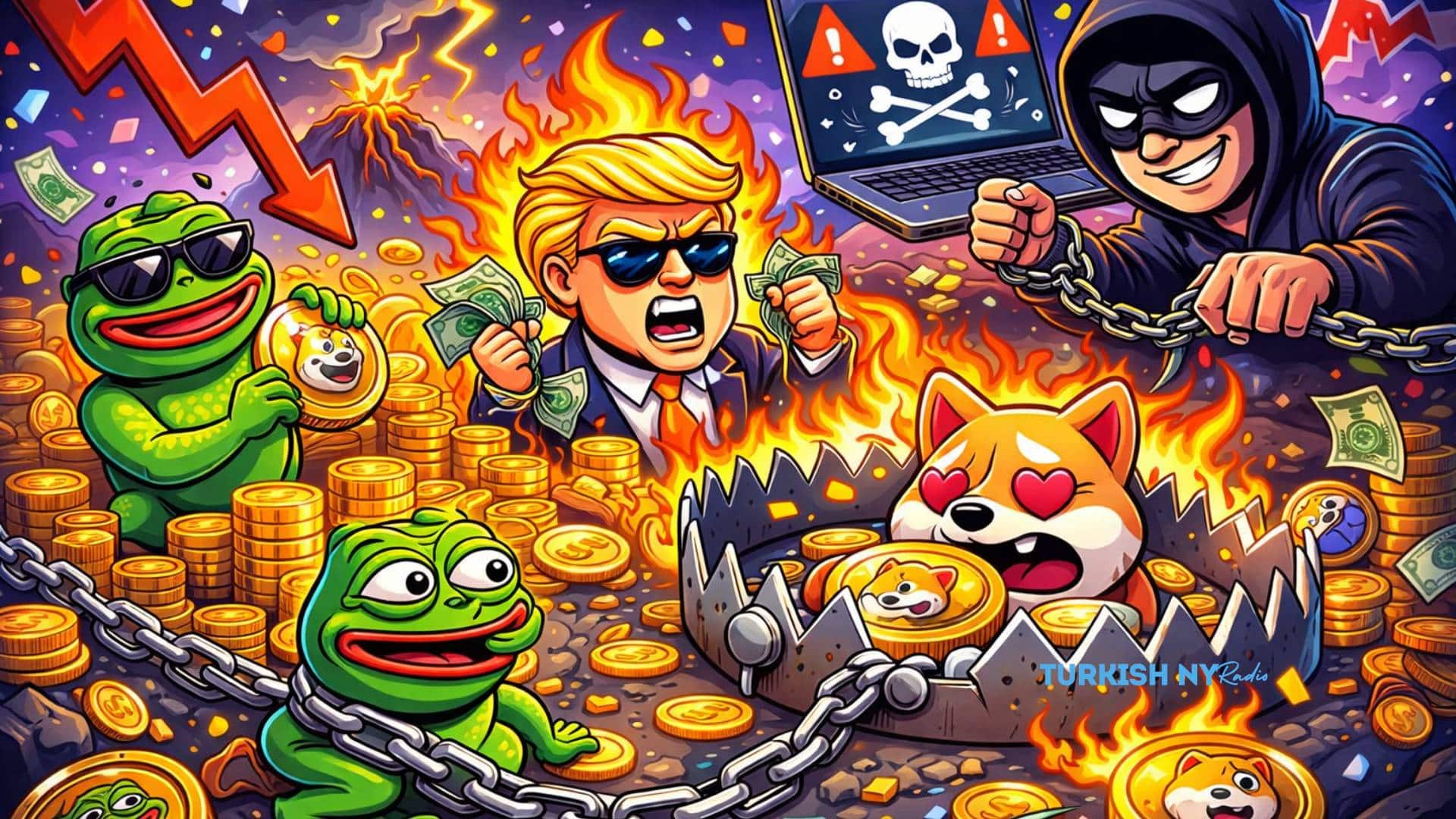
For more seasoned market participants, the lesson is usually the same: a token tied to online culture can rally hard, but the risk sits underneath the surface from day 1. This is where education matters as the investor who understands the structure of speculative tokens reads the market differently. The investor who chases headlines, social buzz, and a green candle usually arrives late. In the world of meme coins, discipline is not a nice extra. It is the difference between curiosity and regret.
What makes meme coins so fragile
At a structural level, meme coins often depend on attention more than product value. That means their price support is emotional before it is fundamental. If sentiment weakens, there may be little underneath to slow the decline. Many of these tokens also launch with large or flexible supply models, which can dilute scarcity narratives and make valuation harder to defend over time. Some are decentralized in distribution, but others lean heavily on a small cluster of wallets, early insiders, or aggressive promoters.


There is another problem that catches traders off guard. Because these tokens are easy to create on established networks, supply can multiply faster than demand. One viral token does not just compete with older crypto assets. It competes with the next 100 joke tokens launched that same week.
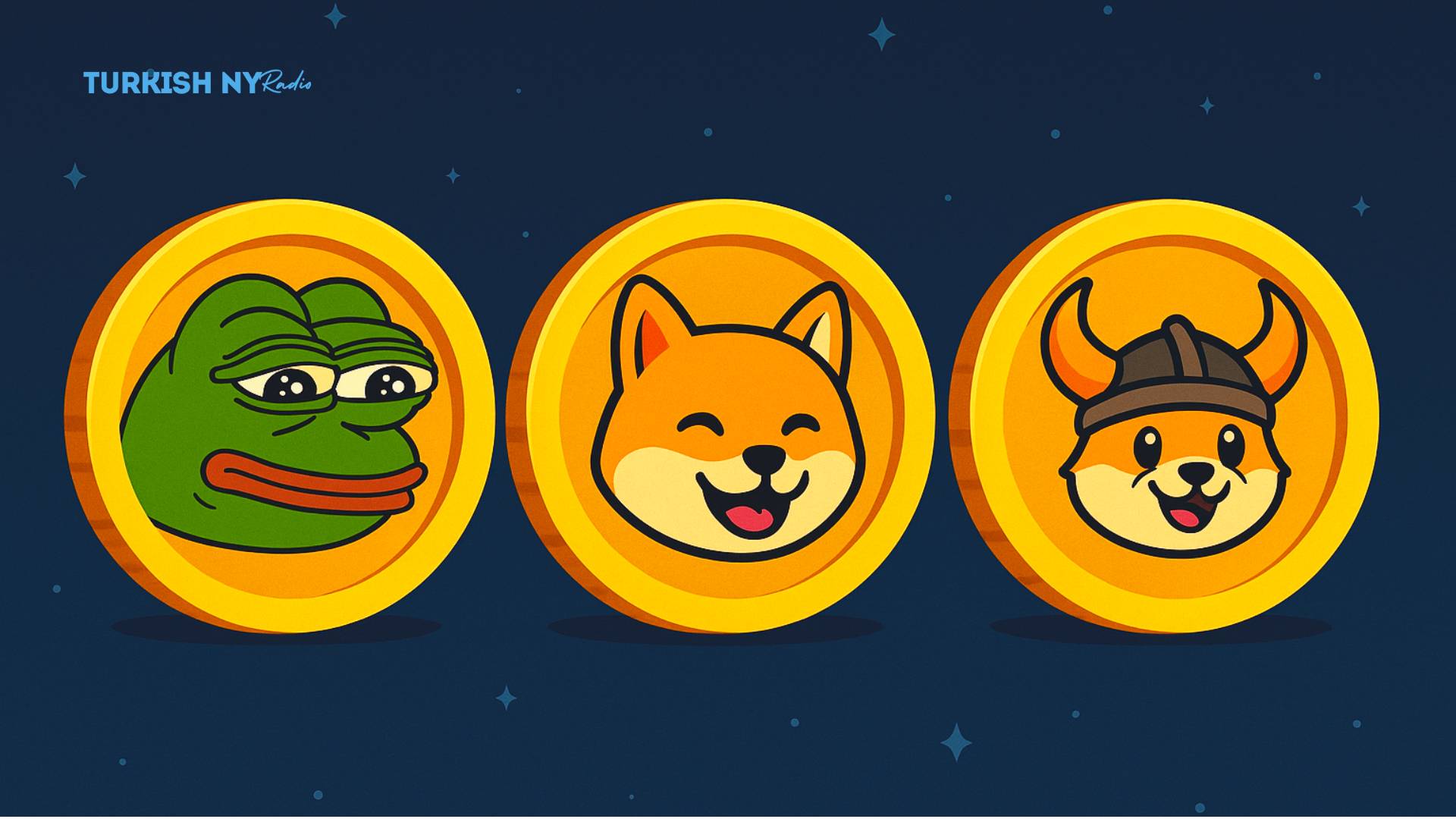
In that environment, capital rotates quickly and loyalty can be thin. Traders may talk about community, but when price rolls over the exits can get crowded in a hurry. That is why meme coins should be treated less like long-duration fundamentals plays and more like unstable sentiment markets.
How meme coins should be evaluated before money is at risk
The first thing serious analysts check is wallet distribution. If a small number of holders control an oversized share of supply, the token carries clear dump risk. The second check is liquidity quality. It is not enough to see activity on a chart. Traders need to know whether real buyers and sellers are present across time or whether the market is surviving on temporary bursts. The third check is the launch structure. A token that appears overnight with flashy branding but thin transparency deserves skepticism.
Real volume tends to persist across sessions and market conditions. Manufactured volume often arrives suddenly, creates the illusion of broad demand, and then evaporates. Social traction is another area where people get fooled. A trending token is not necessarily a strong token.
It may simply be a coordinated campaign. The most useful approach is comparative. Analysts weigh trading volume against wallet concentration, social growth against liquidity depth, and price action against broader market conditions. In meme coins, surface-level excitement can hide fragile internals.
The fraud patterns traders keep missing
Regulators have warned for years that digital token markets can be fertile ground for pump-and-dump behavior. The playbook is old, even if the technology looks new. Organizers build urgency, spread tips through chat groups or social media, trigger a rush of buyers, and sell before the crowd understands what is happening. According to U.S. derivatives regulators, these schemes can unfold in minutes and often leave late entrants holding near-worthless positions.
This is one reason meme coins demand more caution than their playful image suggests. A token may be wrapped in humor while the market behavior around it is deeply predatory. Fake partnership claims, manufactured endorsements, edited screenshots, and countdown-style hype are all part of the familiar script. The emotional trap is always the same. The buyer feels that waiting means missing out. In practice, waiting often means avoiding the worst entry.
There is also a legal nuance worth noting as staff at the U.S. securities regulator said in 2025 that the kinds of meme coins described in its statement generally were not securities transactions under federal law, but it also made clear that specific facts still determine the analysis and that fraud remains actionable under other laws.
That means traders should not confuse a narrow regulatory view with a stamp of safety. Meme coins can still be dangerous even when they are not being discussed as securities in the conventional sense.
A smarter way to approach the category
A more disciplined framework starts with position sizing. Traders who decide to touch meme coins at all generally need to treat them as high-risk exposure, not core portfolio holdings. Then comes timing. Chasing a vertical move after social hype peaks is usually the easiest way to become exit liquidity for someone else. Research should also include basic checks on supply, token distribution, liquidity, trading venue quality, and whether the project has any consistent communication beyond price promotion.
A meme token can rally during a strong risk-on environment when broader crypto sentiment is rising, but that same token can collapse faster than the market when conditions tighten. That is why analysts do not read these assets in isolation. They place them beside Bitcoin trend direction, altcoin liquidity, exchange behavior, and the broader mood of retail speculation. When that bigger picture weakens, meme coins tend to lose air first because their support is usually the least durable.
Conclusion
The easiest mistake in crypto is assuming that a funny token must be a simple token. It is rarely that simple as the mechanics around meme coins involve liquidity, crowd behavior, regulatory nuance, wallet concentration, and a level of manipulation risk that many newcomers underestimate. These assets can still produce large gains, and that is exactly why they keep attracting fresh capital.
But the educational point is not whether they can run. It is whether traders understand what they are touching before they buy. In this corner of the market, charm travels faster than caution. That is why the smarter participant slows down, checks the structure, and treats excitement as a signal to investigate rather than a cue to jump in.
FAQs
Why are meme coins considered high risk?
They are often driven by sentiment, thin liquidity, and fast-changing hype rather than durable utility.
What is the biggest red flag in a meme token?
Heavy wallet concentration is one of the clearest danger signs because a few holders can pressure price quickly.
Can a meme coin be legal and still unsafe?
Yes. Legal status and market safety are not the same thing, especially when fraud or manipulation risk is present.
Should beginners trade meme coins?
They are generally not ideal for beginners because volatility and fraud risk are unusually high.
Glossary of Key Terms
Wallet concentration
A measure of how much token supply sits in a small number of addresses.


Liquidity trap
A situation where entering a trade looks easy but exiting without a sharp loss becomes difficult.
FOMO
Fear of missing out, a common driver of emotional buying in fast-moving markets.
Volatility
The speed and scale of price changes over time.
Sentiment trade
A trade driven mainly by crowd mood, momentum, and public attention rather than fundamental value.
Sources
Disclaimer: This article is for informational and educational purposes only and does not constitute financial, legal, or investment advice.