![Sun [New]](https://s2.coinmarketcap.com/static/img/coins/64x64/10529.png)


This article was first published on TurkishNYR.
The latest discussion around NFT markets is no longer just about floor prices, trading spikes, or the next speculative wave. It is starting to focus on something more practical and, frankly, more important: how artists keep working when the market turns cold.


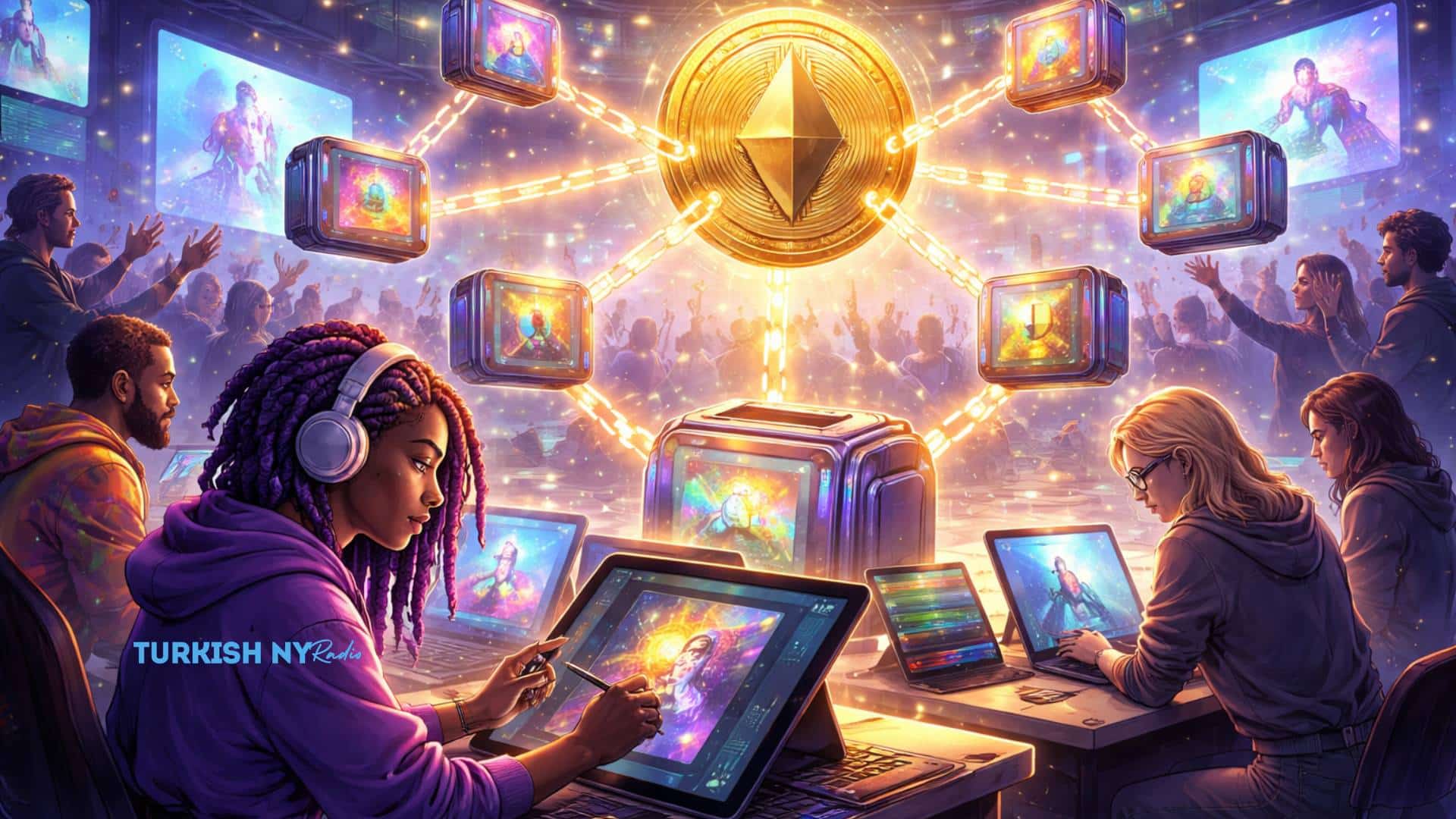
That is where decentralized crowdfunding has entered the conversation with real weight. A recent artist support effort built around direct onchain purchases has drawn attention because it offers a simple idea with serious implications. When centralized platforms lose momentum and collectors grow selective, capital can still move straight to creators through transparent, community-led action.
Why artists feel downturns before everyone else
In every weak cycle, NFT artists usually take the first hit and the longest one. Traders may rotate into other assets, marketplaces may survive on fees, and larger collectors may wait for conditions to improve. Emerging creators do not have that luxury. Many rely on primary sales to fund new work, cover software costs, and stay active in the ecosystem. When liquidity dries up, visibility often disappears with it.
That is why decentralized crowdfunding matters beyond the headline appeal. It changes the route money takes. Instead of waiting for algorithms, promotional placement, or a platform feature, artists can receive direct support from buyers who choose to back their work in public. That kind of transparency gives the model credibility. It also gives struggling creators something more useful than buzz: cash flow.
How decentralized crowdfunding works in practice
The recent example gaining traction revolves around a recurring commitment to buy 1 ETH worth of work each week from emerging artists. The amount is easy to understand, but the structure is what makes the story interesting. There is no token launch, no elaborate funding portal, and no promise of upside attached to the support. Purchases happen onchain, the wallet activity is visible, and the artworks themselves remain the center of the process.
That is the cleanest version of decentralized crowdfunding. It strips the model down to trust, transparency, and consistency. Artists are not competing for approval from a central gatekeeper. Supporters are not sending funds into a black box. The transaction, the asset, and the public record all sit in one place.
Why decentralized crowdfunding spreads faster than expected
One reason this model is getting attention is that it can trigger a network effect without formal coordination. Once one collector begins supporting artists openly, others can join with their own purchases, contributions, or curation. The model spreads because it is easy to copy and easy to verify. In a fragile market, that matters.
This is where decentralized crowdfunding becomes more than a feel-good experiment. It starts acting like market infrastructure. It helps artists stay visible, but it also reminds the wider NFT space that value does not vanish just because speculation cools. Communities can still allocate capital with intention. That is a healthier signal than empty engagement and far more durable than hype.
What this says about the next phase of NFTs
The broader lesson is not that every problem in digital art can be solved through community purchases. It cannot. Artists still face pricing pressure, uneven discovery, and the constant challenge of audience growth. Even so, decentralized crowdfunding offers a practical answer to one of the market’s hardest questions: what happens when creators need support but traditional channels stop delivering?
It shows that NFT ecosystems still have working social and financial rails. Collectors can act without waiting for companies to organize the process. Curators can guide attention without controlling access. Artists can receive funds directly instead of watching value get lost in platform friction. In plain terms, decentralized crowdfunding keeps the system human when the market gets mechanical.


There is also an educational point here for crypto readers who do not follow digital art closely. This model reflects one of blockchain’s oldest promises: peer-to-peer value transfer with visible records and fewer intermediaries. In that sense, decentralized crowdfunding is not a side story. It is a reminder of what onchain coordination looks like when it serves a real need.
Conclusion
The NFT market has spent years chasing scale, speed, and spectacle. What this moment highlights instead is staying power. Decentralized crowdfunding is gaining relevance because it offers artists direct support, visible transactions, and a more resilient path through weak conditions. If that pattern continues, decentralized crowdfunding may become one of the clearest examples of crypto infrastructure serving culture rather than speculation alone.
FAQs
What is decentralized crowdfunding?
It is a funding model where support moves directly from participants to recipients onchain, usually with public wallet activity and fewer intermediaries.
Why is decentralized crowdfunding relevant to NFT artists?
It helps artists receive direct financial support when marketplaces slow down, collector demand weakens, and centralized visibility tools become less reliable.
Does decentralized crowdfunding replace NFT marketplaces?
No. It does not replace marketplaces, but it can reduce dependence on them by giving artists another route to funding and exposure.
Glossary of Key Terms
Onchain: Activity recorded directly on a blockchain, where transactions can be verified publicly.
NFT: A non-fungible token, which is a unique digital asset that can represent art, collectibles, or other forms of ownership.
Primary sale: The first sale of an artwork or asset by the creator.
Liquidity: The ease with which money or assets can move through a market without major price disruption.
Curation: The process of selecting and presenting artworks or creators to help audiences discover them.
Source
Disclaimer: This article is for informational and educational purposes only and should not be treated as financial, investment, or legal advice.