![BitTorrent [New]](https://s2.coinmarketcap.com/static/img/coins/64x64/16086.png)


This article was first published on TurkishNY Radio.
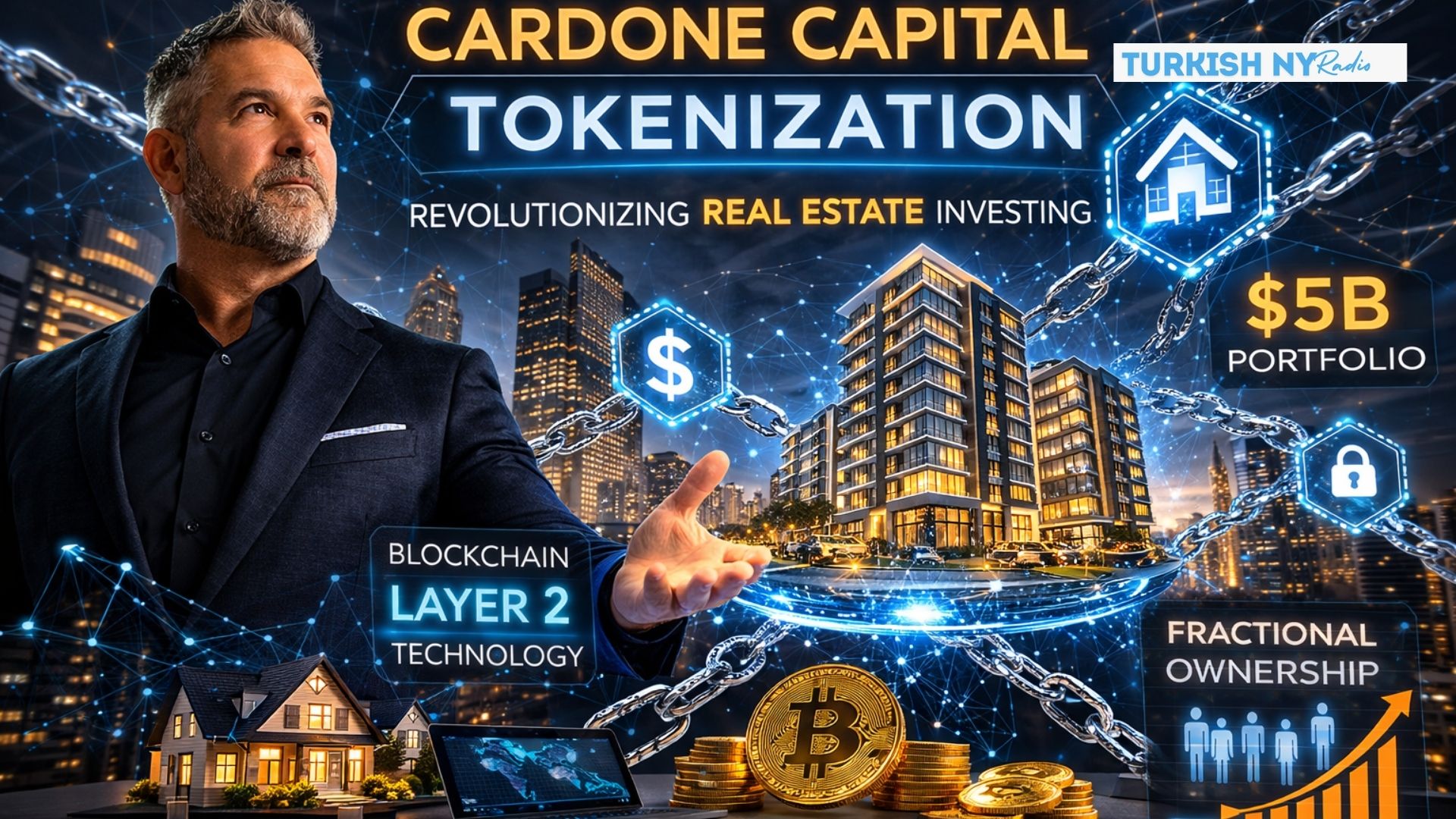
Grant Cardone and his business, Cardone Capital, have revealed a daring initiative that could influence the future of real estate investing: they want to prioritize Cardone Capital tokenization in their investment strategy.


The business intends to digitize billions of US dollars’ worth of property assets using blockchain and Layer-2 scaling technologies, therefore expanding investor access and enhancing market liquidity. This news has sparked much discussion, with experts hailing Cardone Capital’s tokenization initiative as one of the most audacious steps in property-tech recent memory.
Cardone Capital’s Blockchain Leap
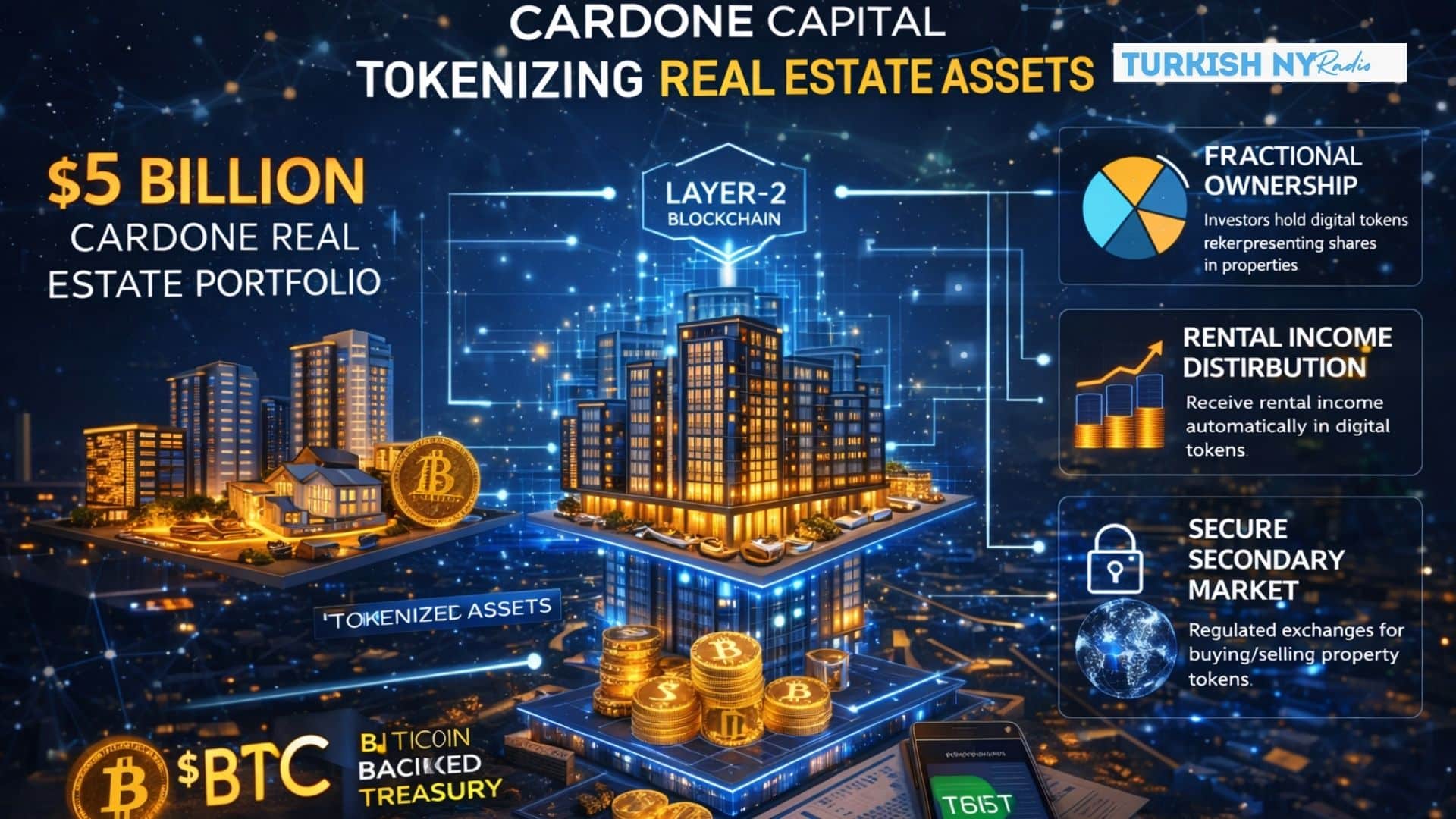
The business has announced intentions to shift a large portion of its $5 billion real estate investment to blockchain, with Cardone Capital tokenization serving as the foundation of an additional investment infrastructure. The startup intends to transform ownership shares into digital tokens, enabling smaller investors to participate in extremely valuable property transactions.
A spokesperson explained that Cardone Capital tokenization will “reshape traditional real-estate entry points by reducing barriers and enabling global investor participation.”


Why Layer-2 Technology Matters
Layer-2 networks are being considered due to their speed, scalability, and low transaction costs. For Cardone Capital tokenization, this means:
-
Faster investor onboarding
-
Lower trading and settlement fees
-
Better scalability for thousands of transactions
“Real estate is no longer slow, clunky, or inaccessible,” said Cardone. “With Cardone Capital tokenization, we’re making big deals available to everyday people.”
Fractional Ownership and New Liquidity Options
Through secure digital securities, Cardone Capital tokenization allows fractional ownership where investors can buy smaller pieces of income-producing properties. This could eventually give investors a secondary marketplace, letting them trade tokens instead of waiting years for traditional exits.
One analyst commented, “If Cardone Capital tokenization achieves regulatory approval and scale, it could become the largest real-estate tokenization project in North America.”
Compliance and Security Built In
Compliance with US securities rules is a key component of the proposal. The team intends to embed identity and compliance rules directly into tokens, ensuring that Cardone Capital tokenization meets SEC-approved standards.
“Security and compliance are our top priorities,” the company said. “Our investors deserve the best protections possible.”
Financial Influence and Initial Responses
The property ownership and cryptocurrency worlds have reacted forcefully. Some regard Cardone Capital tokenization as a breakthrough, while others warn of regulatory obstacles and acceptance issues. Still, early opinion is positive as bitcoin-based real estate investing gains traction internationally.
Conclusion
The shift favoring Cardone Capital tokenization marks a watershed moment in property investment. Grant Cardone is placed his business at the forefront of financial innovation by combining residential property strength with blockchain efficiency. If executed correctly, Cardone Capital tokenization might change the way people make purchases of commercial real estate, and spark a wave of similar reforms throughout the sector.
Summary
The Cardone Capital tokenization program represents a significant shift regarding the way shareholders might access real estate assets. By transferring billions of dollars in real estate to the distributed ledger, the company hopes to boost market liquidity, decrease obstacles to entry, and offer sustainable digital ownership. Cardone Capital tokenization, which uses Layer-2 technology, offers easier, more affordable, and more versatile investment opportunities. With substantial business curiosity and significant regulatory work, this effort has the potential to develop into one of the most impactful tokenization undertakings in the field.
Glossary of Key Terms
Tokenization: Is the process of transforming actual assets into computerized blockchain currencies.
Layer-2 Blockchain: A quicker and easier-to-scale system that sits on top of the primary ledger.
Fractional Ownership: Implies owning just a small part of a bigger asset.
Digital Securities: Authorized financial currencies that adhere to brokerage legislation.
Secondary Market: A website for trading assets with tokens among shareholders.
FAQs for Cardone Capital Tokenization
1. What is actually Cardone Capital tokenization?
It is the procedure of transforming Cardone Capital’s real estate holdings into blockchain-powered digital currency tokens.
2. What is the reason is Grant Cardone getting into the technology?
To expand customer access, boost liquidity, and streamline real estate investing.
3. Who among us may put money in these decentralized assets?
In the beginning, qualified investors, who have the potential for growth depending on regulation.
4. Which network should Cardone Capital implement?
The firm is testing many Layer-2 systems for functionality and legality.
5. Whenever will tokenized property become available?
Once administrative permissions and technological interconnections are complete, the deployment will begin.