![Sun [New]](https://s2.coinmarketcap.com/static/img/coins/64x64/10529.png)



This article was first published on TurkishNY Radio.
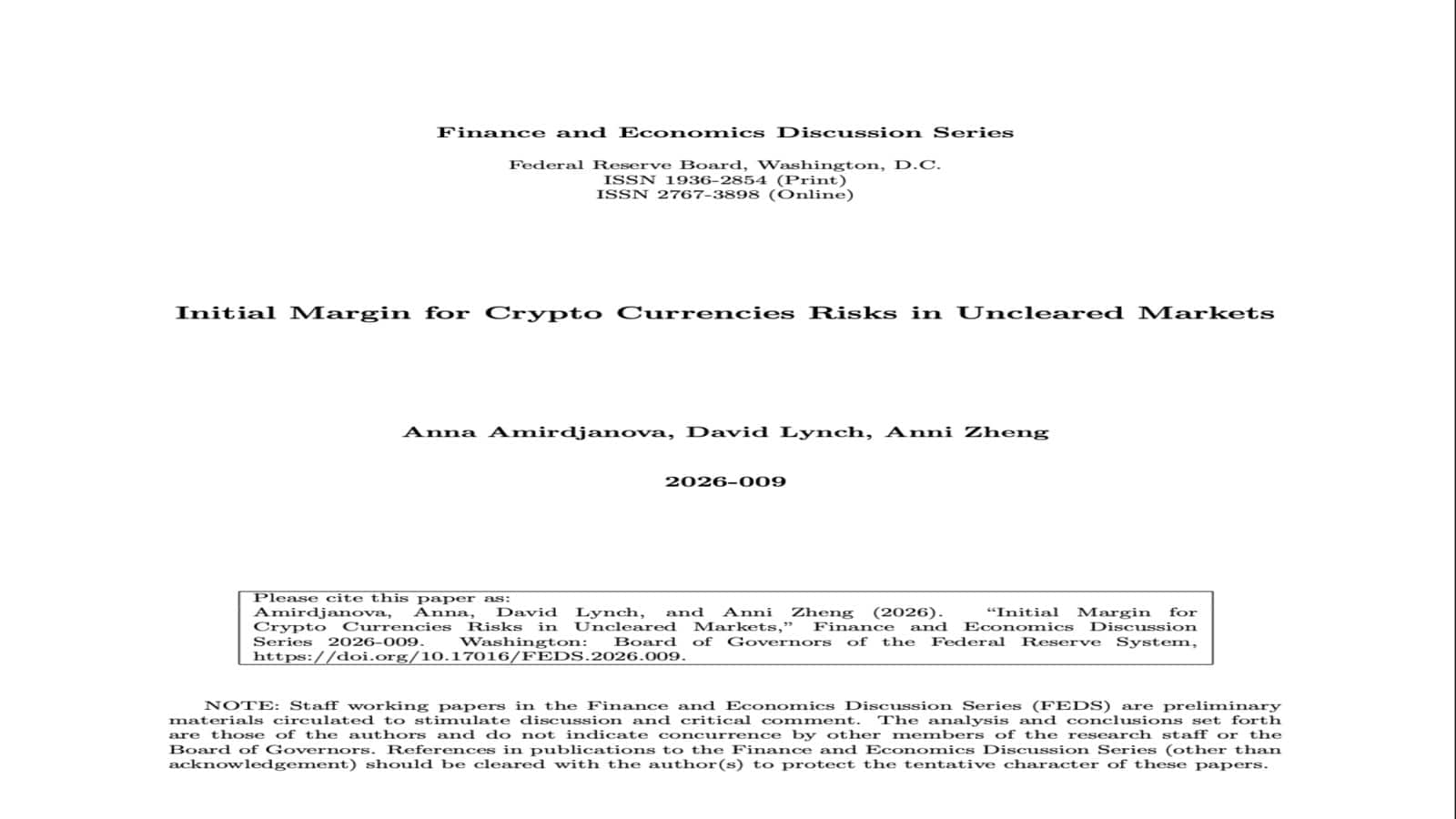
A new research paper from the Federal Reserve recommends treating crypto as a separate asset class in margin models for uncleared markets. The study focuses on Crypto Derivatives and argues that existing risk frameworks do not fully capture their volatility.


The paper was published by Federal Reserve staff economists. It does not create new rules. However, it may influence future policy discussions around crypto derivatives and risk management standards.
New Risk Framework Proposed for Crypto Derivatives Under SIMM
The researchers propose assigning crypto its own category under the Standardized Initial Margin Model, known as SIMM. SIMM currently groups assets into interest rates, equities, foreign exchange, and commodities.
The paper states that digital assets do not fit neatly into these classifications. As a result, margin calculations for crypto derivatives may not reflect true risk levels.
The authors suggest new risk weights for different types of tokens. They also recommend building a benchmark index to better measure market behavior.
How Crypto Derivatives Perform in Uncleared Trades
The study was written by Federal Reserve economists Anna Amirdjanova, David Lynch, and Anni Zheng. It examines how crypto behaves in over-the-counter markets. These are trades that do not pass through centralized clearinghouses.
Initial margin is required in such markets. Traders must post collateral when opening positions. This protects counterparties from default.
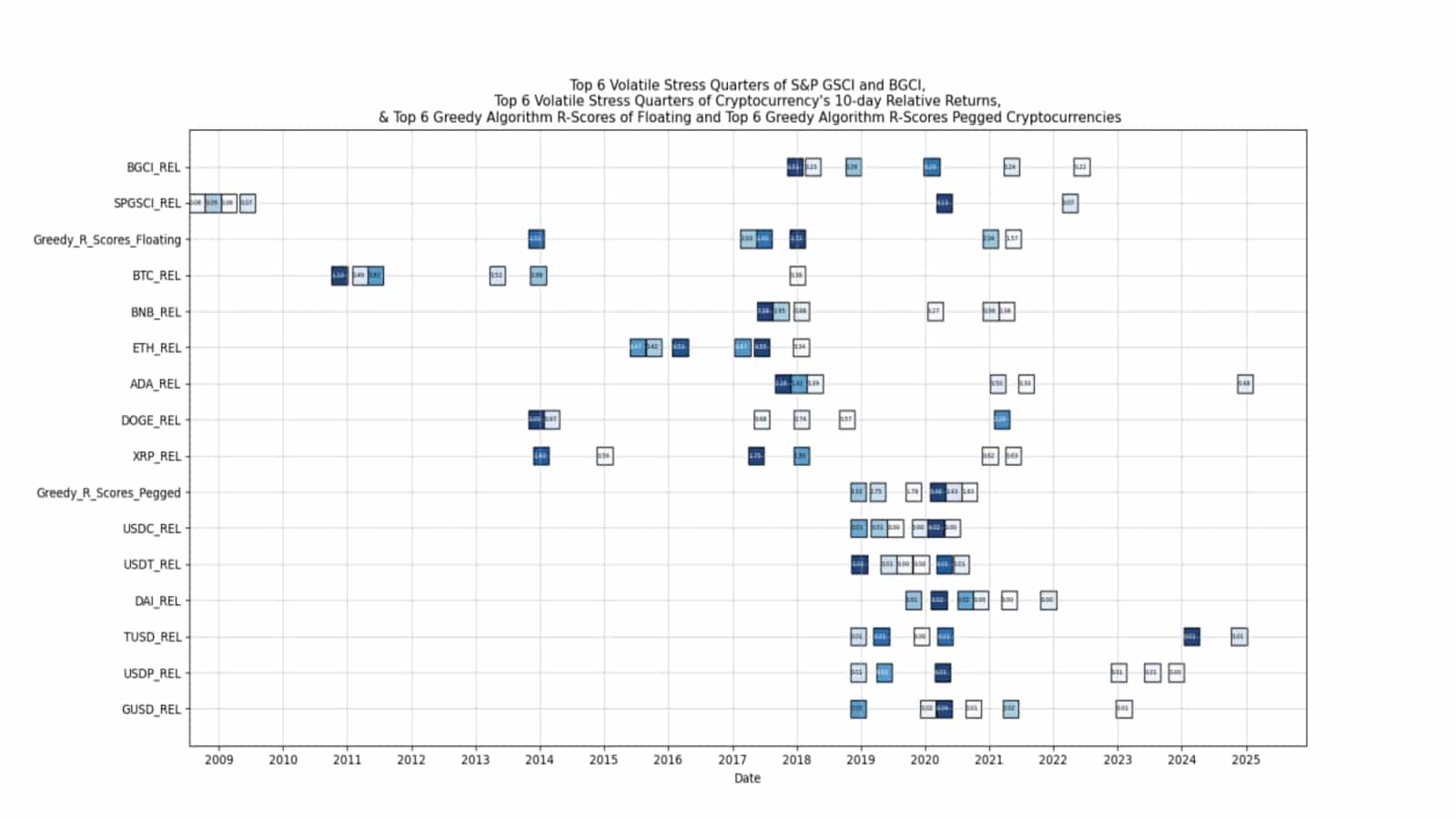
The research argues that Crypto Derivatives show price patterns that differ from stocks or commodities. Digital assets often move sharply in short periods. Liquidity can also change quickly during market stress.
Why Current Models May Fall Short
SIMM is widely used by global banks. It standardizes how institutions calculate collateral for uncleared derivatives.
The model works well for traditional assets. However, crypto’s volatility is often higher and more sudden. This makes risk measurement more complex.
The paper states that placing crypto inside existing buckets could distort margin results. A distinct asset class could produce more accurate calculations for crypto derivatives.
Floating vs. Pegged Tokens
The authors divide digital assets into two main groups. The first group includes floating cryptocurrencies such as Bitcoin and Ethereum. These tokens move freely based on supply and demand.
The second group includes pegged assets like stablecoins. These are designed to maintain a stable value.
The study recommends assigning separate risk weights to each group. Floating tokens would likely carry higher margin requirements. Pegged assets could carry lower weights, depending on stability and backing structure.
Proposed Benchmark Index
The paper also introduces a benchmark index. This index would be evenly divided between floating tokens and stablecoins.


The index could track overall crypto market behavior. Risk managers could use its performance to calibrate margin models. This would help align collateral levels with real market conditions. Such an approach may improve transparency in crypto derivatives markets.
Impact on Margin Requirements
If adopted, the proposal could increase collateral requirements. Traders dealing in highly volatile tokens may need to post more margin.
Higher margin reduces the risk of under-collateralization. This occurs when losses exceed posted collateral. In stressed markets, such gaps can spread quickly.
Stricter margin rules may also raise trading costs. Some market participants could reduce activity if capital demands increase.
Broader Regulatory Context
The timing of the paper is notable. Digital assets are becoming more connected to traditional finance. Banks and investment firms now participate more actively in crypto markets.
In December, the Federal Reserve reversed earlier guidance that limited certain bank activities related to crypto. That shift signaled a more open stance toward regulated participation.
The working paper is not formal policy. It reflects staff analysis. Still, it shows that regulators are studying crypto derivatives in detail.
Market Maturity and Risk Oversight
The researchers state that recognizing crypto as its own asset class reflects market maturity. Digital assets now represent a significant segment of global trading.
As institutional involvement grows, standardized risk treatment becomes more important. Clear margin frameworks can strengthen financial stability.
By proposing a tailored category, the study aims to reduce systemic risk. Better calibration could protect counterparties during volatile periods.
Conclusion
The Federal Reserve’s working paper highlights the unique risk profile of crypto derivatives. It recommends creating a distinct asset class within margin models. The proposal focuses on improving accuracy in uncleared markets.
While no rules change today, the research adds momentum to ongoing regulatory discussions. As crypto markets expand, margin frameworks may evolve to reflect their specific risks.
Appendix: Glossary of Key Terms
Initial Margin: Upfront collateral required to open a derivatives trade.
Uncleared Trades: Private derivatives transactions outside clearinghouses.
SIMM: Standardized Initial Margin Model used for risk calculation.
Risk Weight: Assigned percentage reflecting asset volatility exposure.
Stablecoin: A digital token designed to maintain a fixed value.
Floating Cryptocurrency: A token with a freely moving market price.
OTC Market: Over-the-counter venue for direct bilateral trading.
Under-Collateralization: When posted margin fails to cover losses.
Frequently Asked Questions About Crypto Derivatives
1. Why are crypto derivatives considered high risk?
They often show sharp price swings and sudden volatility.
2. What is the purpose of initial margin?
It protects counterparties from default risk.
3. Does the proposal change regulations now?
No. It is research, not a formal rule.
4. Why separate floating tokens and stablecoins?
They behave differently in terms of price stability.
References