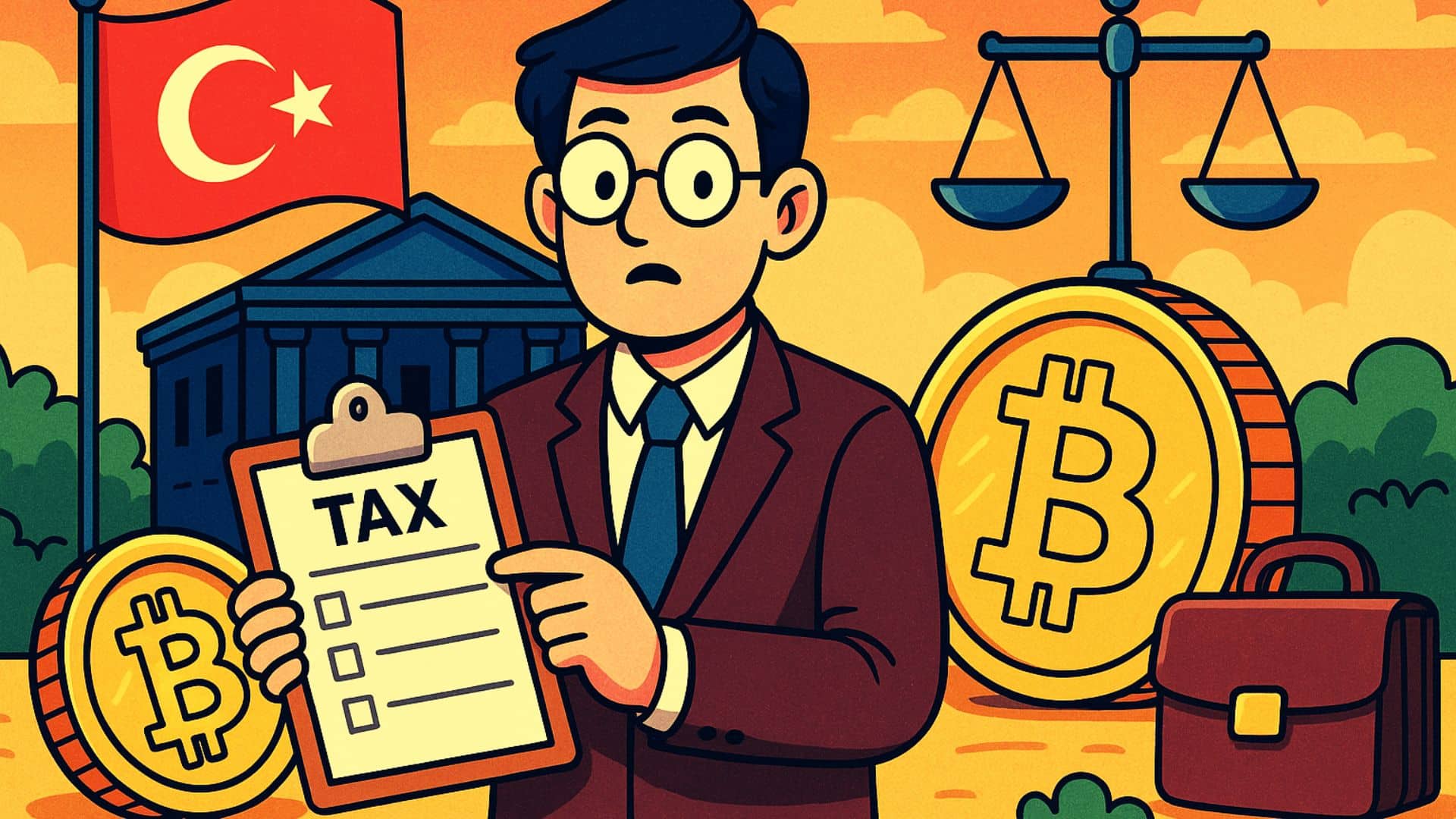
Crypto taxes Turkey has become one of the most discussed financial topics in the country as the digital asset market matures. In just a few years, Turkey has moved from minimal oversight to a highly structured system for taxing, licensing, and monitoring cryptocurrency activity.
These changes are not only about revenue collection. They aim to protect investors, prevent crime, and align Turkey with global financial standards. For financial students, this shift is a real-time lesson in economic policy. For blockchain developers, it is a signal to design compliance-friendly systems. For analysts, it is a moment to study how regulations change market trends.

In 2025, understanding the rules for crypto taxes Turkey is not optional; it is the foundation for safe and successful participation in the country’s crypto economy.
Unpacking Turkey’s 2025 Crypto Tax Framework
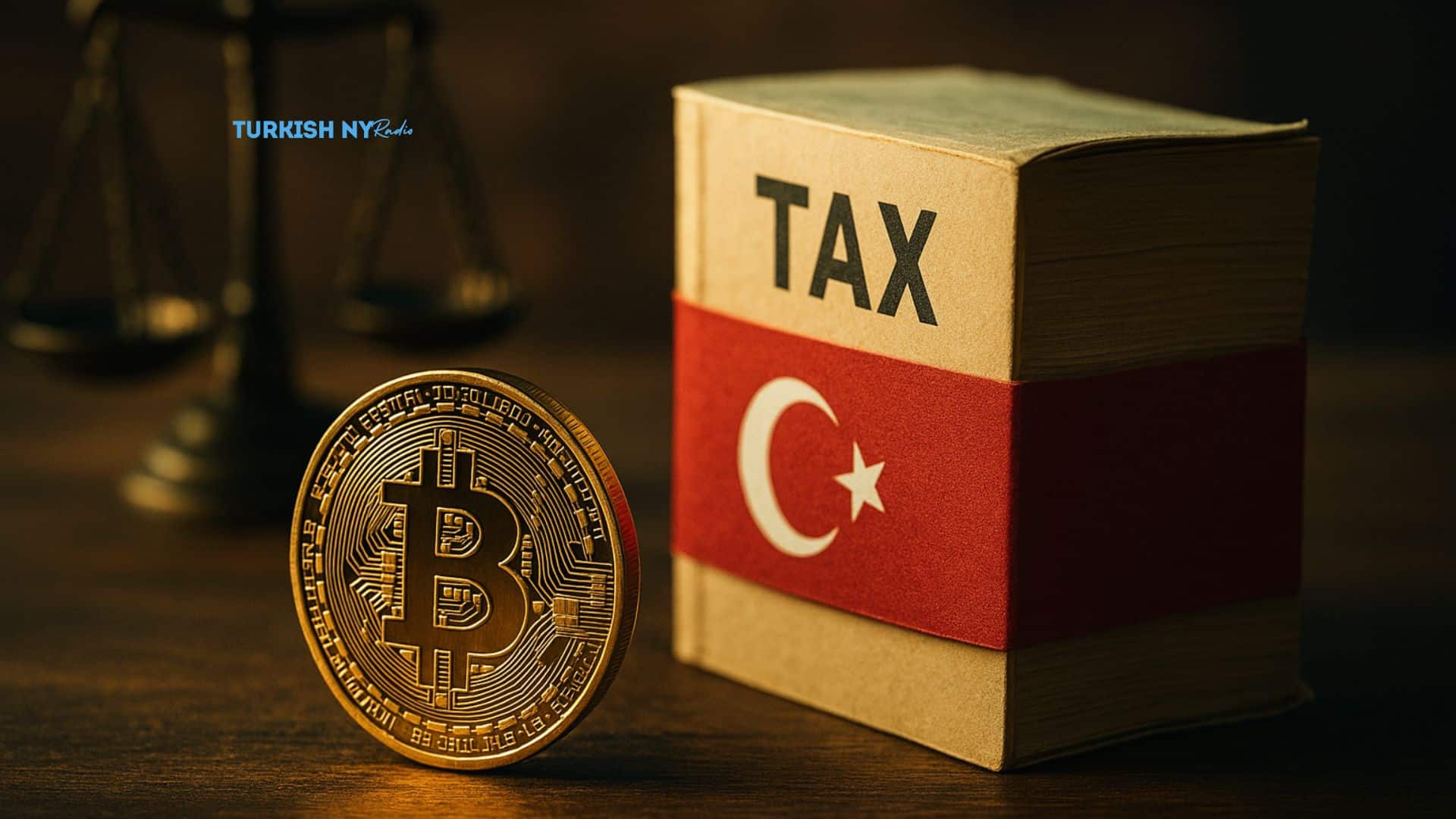
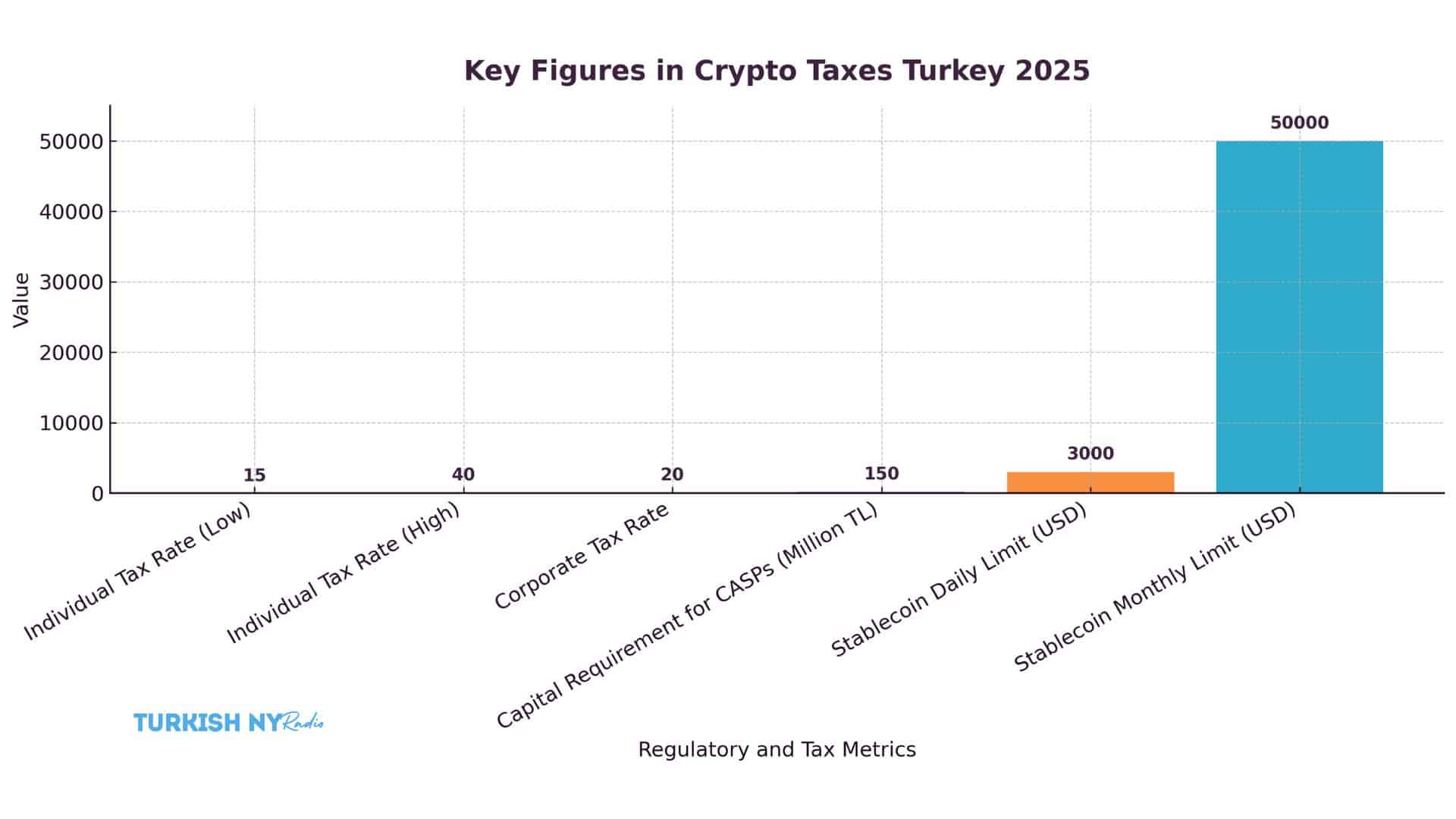
In 2024, Turkey saw the amendment of its Capital Markets Law to classify cryptocurrency as a financial asset. This legal definition underpins all tax obligations. Profits from trading are taxed as capital gains. For individuals, crypto taxes Turkey are applied at rates between 15% and 40%, depending on annual income.
A trader earning 500,000₺ in crypto profits could face one of the higher brackets. Corporate tax is set at 20%, down from the 23% previously charged. Income from any of – mining, staking, or payment in crypto – is taxed as ordinary income in the same tax brackets as other income.
Even trades between two cryptocurrencies are taxable because they are considered disposals of assets. The same rules apply to DeFi yields and NFT sales. Understanding these points helps anyone dealing with crypto taxes Turkey avoid costly mistakes.
A 0.03% transaction tax is under discussion. If approved, it would apply to all trades, regardless of whether they result in profit.
Regulatory Overhaul: Licensing, AML, and Operational Oversight
March 2025 saw the release of two Communiqués (III-35/B.1 & B.2) that set standards for crypto asset service providers (CASPs). These cover licensing, governance, capital reserves, risk controls, IT security, and client fund segregation.
All CASPs must hold at least 150 million TL in capital. They require separate licenses to establish and operate. The Capital Markets Board (SPK) has the authority to revoke permits if providers fail to comply. Regulators have to be provided with regular reports and complete transaction logs.
Combating Fraud: AML, KYC, and Withdrawal Limits
Under the new AML laws, identity verification is mandatory for any transaction above 15,000₺. Transfers from unregistered wallets can be blocked. Exchanges may delay withdrawals for 48–72 hours unless the travel rule is followed, which means both the sender and recipient are verified.
Enhanced AML checks work alongside crypto taxes Turkey to ensure the market remains transparent. Stablecoin transfers have daily and monthly caps: $3,000 per day and $50,000 per month, unless processed through licensed providers.
Global Alignment and Credibility Gains
By adopting stricter rules, Turkey has improved its international standing. In its assessment of financial crime, the FATF took Turkey off the ‘grey list’ to show that the war against financial crime has had some tangible results in Turkey.
Turkey is adopting the OECD’s Crypto-Asset Reporting Framework (CARF). Under this system, CASPs collect tax residency and taxpayer ID details and share them with authorities each year. With CARF in place, Turkey now operates within a coordinated global network that exchanges data between countries to prevent evasion.
What Investors, Analysts, and Developers Must Watch
Thriving in Turkey’s 2025 crypto market takes more than just luck. Since adeptness in the art comes in handy, so does smooth navigation through the regulations. Each investor should record every tiny trade properly to ensure accurate tax calculations without any further disputes.
Analysts will have to factor the cost of taxes, the time required to withdraw funds, and the potential impact of policy changes on the forecast in their modeling.
Developers have their opportunity here; building wallets and platforms that include tax tools, automated reporting, and easy identity checks can make them stand out in a crowded market.
Crypto taxes Turkey are not just about sending money to the tax office. These are part of a larger effort to keep the market safe, lower fraud levels, and offer serious investors the motivation to invest more of their capital.
Although tighter regulation may restrict some very short-term trades, it is also one of those phenomena that eventually contributes to stabilization of the market since it has been associated with increased liquidity, and thus improved functioning of the market in the long run.
For international traders, there’s another point to consider. Turkey’s approach now lines up closely with global standards, meaning that cross-border transactions are more likely to be reported under international agreements. Respondents who are early to adapt will find it more feasible to work with partners abroad and avoid sudden compliance hurdles.
In the end, it becomes a question of staying tax-efficient and prepared for regulation. Every trade, every investment, and every new product should be built around the rules. That’s how to keep pace and, indeed, stay ahead in a rapidly changing market.
Conclusion: A Market Maturing Under New Rules
The Turkish cryptocurrency market in 2025 is far from being as unregulated as it used to be. Profits are then taxed and platforms licensed and anti-money-laundering requirements applied. Every transaction is traceable; compliance is no longer optional.
Traders empowered by compliance will confidently and strategically interpret crypto taxes Turkey. This structured environment thrives with challenges and opportunities alike, and harmonizing its regulations with international standards places Turkey as a serious player in the digital economy.


The years ahead will tell how well those regulations balance innovation and protection. The understanding of and respect for the intersection of risk and regulation will be the basis for success in this developing space.
Follow us on Twitter and LinkedIn, and join our Telegram channel for more news.
Summary
Crypto taxes Turkey 2025 framework classifies digital assets as taxable financial assets with rates ranging from 15% to 40% for individuals and 20% for firms. Crypto asset service providers will be required to obtain the SPK licensing, maintain a capital requirement of 150 million TL, and comply with AML/KYC principles.
Large transactions require ID checks, stablecoin use has caps, and withdrawals may be delayed. Adoption of OECD’s CARF aligns Turkey with global reporting standards.
The overarching aim is to safeguard investors, promote transparency, and attract compliant innovations; therefore, knowledge about crypto taxes in Turkey remains pertinent for all market participants.
The structure is designed to protect investors, ensure transparency, and attract compliant innovation, thus making a good knowledge of crypto taxes Turkey essential for all market actors.
FAQs
1. Are crypto profits taxable in Turkey?
Yes. All profits from trading, mining, staking, and DeFi are taxable, either as capital gains or income.
2. Can crypto be used for payments in Turkey?
No. Crypto is banned for payments, but trading and holding are legal.
3. What happens if transactions skip ID verification?
They may be delayed, blocked, or flagged as risky. Exchanges can suspend accounts that ignore KYC rules.
4. Why do CASPs need high capital reserves?
To ensure liquidity, protect client funds, and maintain operational stability.
Glossary of Key Terms
CASP (Crypto Asset Service Provider): A licensed platform providing crypto services under SPK supervision.
Communiqué: Official regulation issued to set specific rules.
Travel Rule: Requires sender and recipient verification in crypto transfers.
CARF: OECD’s framework for global crypto tax reporting.
AML / KYC: Measures to stop money laundering and confirm user identities.
Capital Markets Law (Law 7518): 2024 law recognizing crypto assets under Turkish capital markets rules.
SPK: Turkey’s Capital Markets Board, the leading regulatory authority for crypto platforms.
FATF Grey List: Essentially, the FATF Grey List covers countries where anti-financial crime measures are weak; removal indicates that compliance has improved.
Mining / Staking Income: Mining / Staking Income will be income accrued while supporting the network and taxed upon receipt.
Capital Gains Tax (CGT) refers to the tax on profits made through the sale of crypto, calculated based on annual income.
Sources