![Sun [New]](https://s2.coinmarketcap.com/static/img/coins/64x64/10529.png)



This article was first published on TurkishNY Radio.
Europe has spent the past few years building a legal base for digital assets, and now one of the biggest stablecoin issuers is saying the next step matters just as much as the first. Circle has asked the European Commission to refine parts of its Market Integration Package, warning that current design choices could leave euro stablecoins stuck at the starting line.


At the heart of the debate are EU stablecoin rules, and whether they will help tokenized finance move into daily market use or keep it boxed inside policy theory.
Why EU stablecoin rules are now under fresh pressure
Circle submitted feedback on March 20, 2026, arguing that the package points in the right direction but still needs practical fixes if Europe wants tokenized capital markets to scale. The company backed broader reform of the DLT Pilot Regime, but said aggregate market value thresholds remain a structural barrier for institutions and secondary market liquidity. It also called for a clear path from pilot programs to permanent legislation, because large firms do not build long-term infrastructure on vague timelines.
The most pointed criticism centered on settlement. Circle said the proposal would let MiCA-compliant e-money tokens play a role in the cash leg of securities transactions, but only if they qualify as “significant” tokens. In its view, that part of the framework misses the market as it actually exists today.
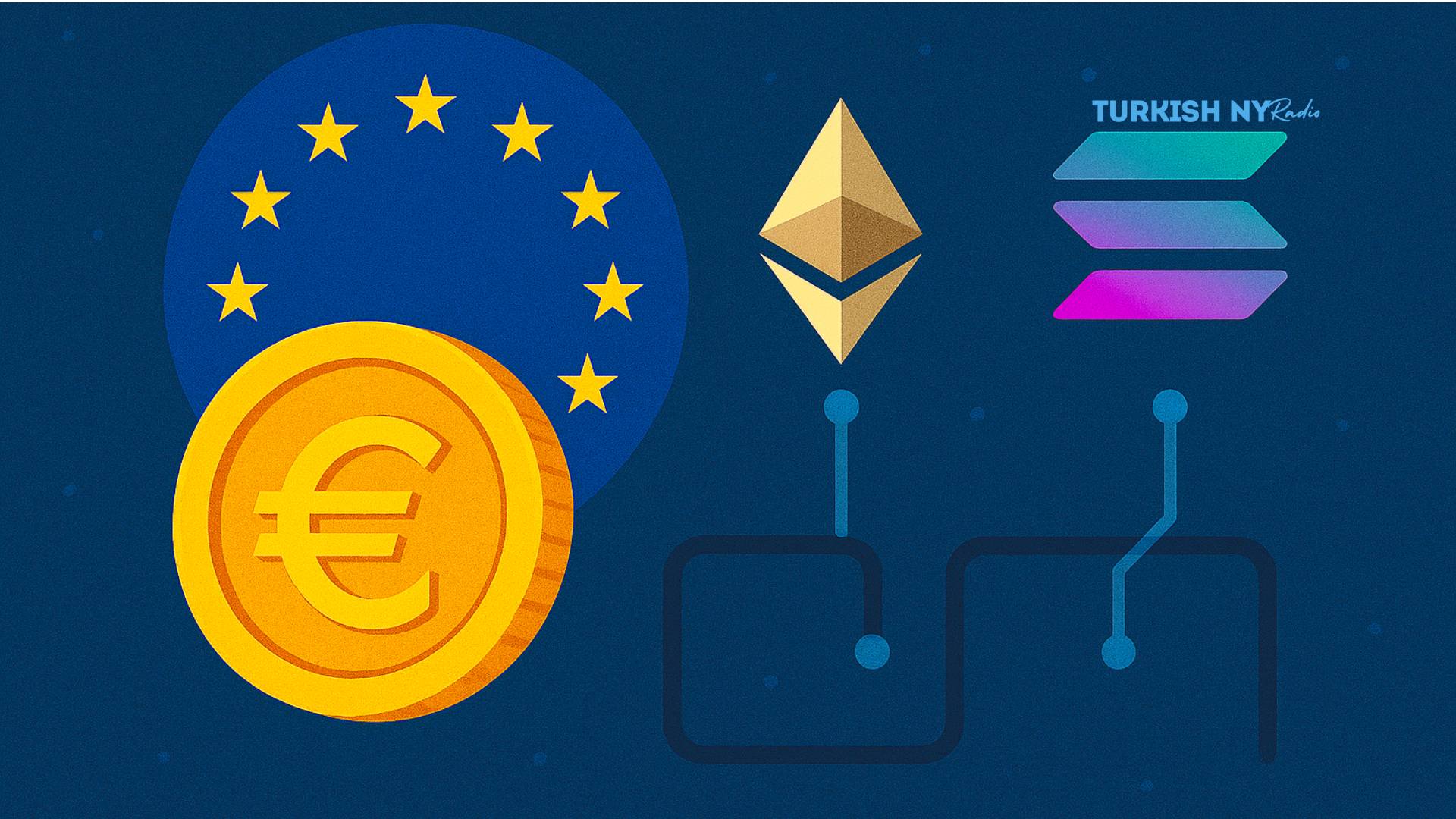


Circle wrote that “Restricting settlement via CSDs to ‘significant’ EMTs risks excluding euro-denominated EMTs, and creating a chicken-and-egg scenario that stifles their growth.” In plain English, the company is arguing that the market cannot grow if the rules only reward assets that are already big enough. That concern puts EU stablecoin rules in the center of a much wider fight over market access.
The real issue is adoption, not just compliance
This is where the story gets more interesting, as Circle is not asking Europe to scrap oversight. It is asking regulators to make room for compliant tokens before scale arrives, not after. The firm wants authorized crypto service providers to handle certain e-money token cash-account services instead of leaving that role only to banks and central securities depositories.
It also wants clearer confirmation that these tokens can be used as collateral, because without legal certainty, market participants tend to stay cautious. That is why EU stablecoin rules now matter beyond stablecoins themselves. They shape how tokenized bonds, settlements, and collateral systems might function in the next stage of European finance.
The timing is not random either. On March 23, ECB Executive Board member Piero Cipollone said,
“The market momentum is real, and Europe is well placed to lead.”
In the same speech, he also warned that scale is still being held back by fragmentation and by the lack of a trusted on-chain settlement asset.
That broader backdrop gives Circle’s argument more weight, because the company is effectively saying Europe has already built the road map and now needs to remove the roadblocks. In that sense, EU stablecoin rules are becoming a test of whether Europe wants innovation that works in production or innovation that stays trapped in consultation papers.
What this could mean for crypto markets
For crypto investors and builders, this is less about a single company and more about signal. If Europe loosens the threshold logic, euro stablecoins could become more useful in regulated settlement flows, which would support deeper tokenized liquidity across regional markets.
If it does not, issuers may remain compliant on paper but commercially limited in practice. That gap matters because utility usually drives adoption more than headlines do. For now, EU stablecoin rules are not changing overnight, but the policy push shows where the next serious contest in crypto regulation is heading.
Conclusion
Circle’s message to Brussels is fairly simple: Europe has already done the hard part by creating a framework, but frameworks only matter when markets can actually use them. The debate over EU stablecoin rules is really a debate over whether compliant digital money will become part of modern market plumbing or remain a carefully supervised side lane. For Europe, that choice could shape who leads the next phase of tokenized finance.
FAQs
What is Circle asking the EU to change?
Circle wants lower practical barriers for compliant e-money tokens, more flexible thresholds, broader settlement access, and legal clarity on collateral use.
Why are euro stablecoins part of this debate?
Because Circle says current conditions could block euro-denominated tokens from being used in settlement before they are large enough to qualify as “significant.” That is the core problem in current EU stablecoin rules.
Does this mean new EU law is already in force?
No. This is feedback on a proposed package, not a final legal change.
Glossary of Key Terms
E-money token
A digital token tied to the value of a fiat currency and regulated under MiCA. In this story, e-money tokens sit at the center of EU stablecoin rules.
DLT Pilot Regime
An EU framework designed to test distributed ledger technology in capital markets under regulated conditions.
CSDR
The Central Securities Depositories Regulation, which governs parts of post-trade infrastructure and settlement in Europe.