Why the BRICS Bloc Could Change Crypto Forever
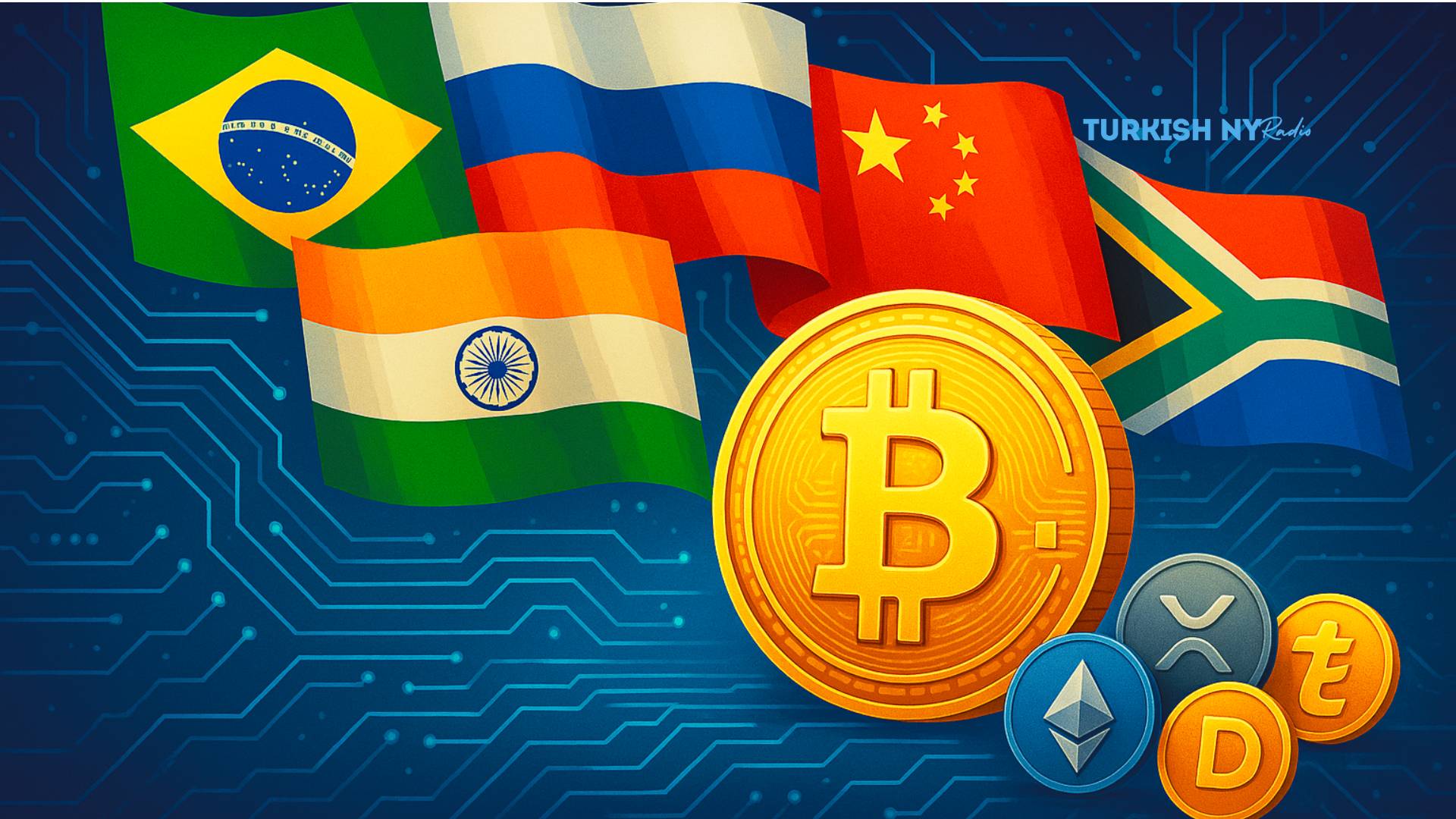
The Rise of BRICS Crypto adoption is altering the global money norms. As Brazil, Russia, India, China, and South Africa expand their cryptocurrency use, a new era of global finance is emerging.


It is significant since these countries together account for more than a third of global economic production and more than 40% of the world’s population.
BRICS Crypto Adoption Increasing in Real Time
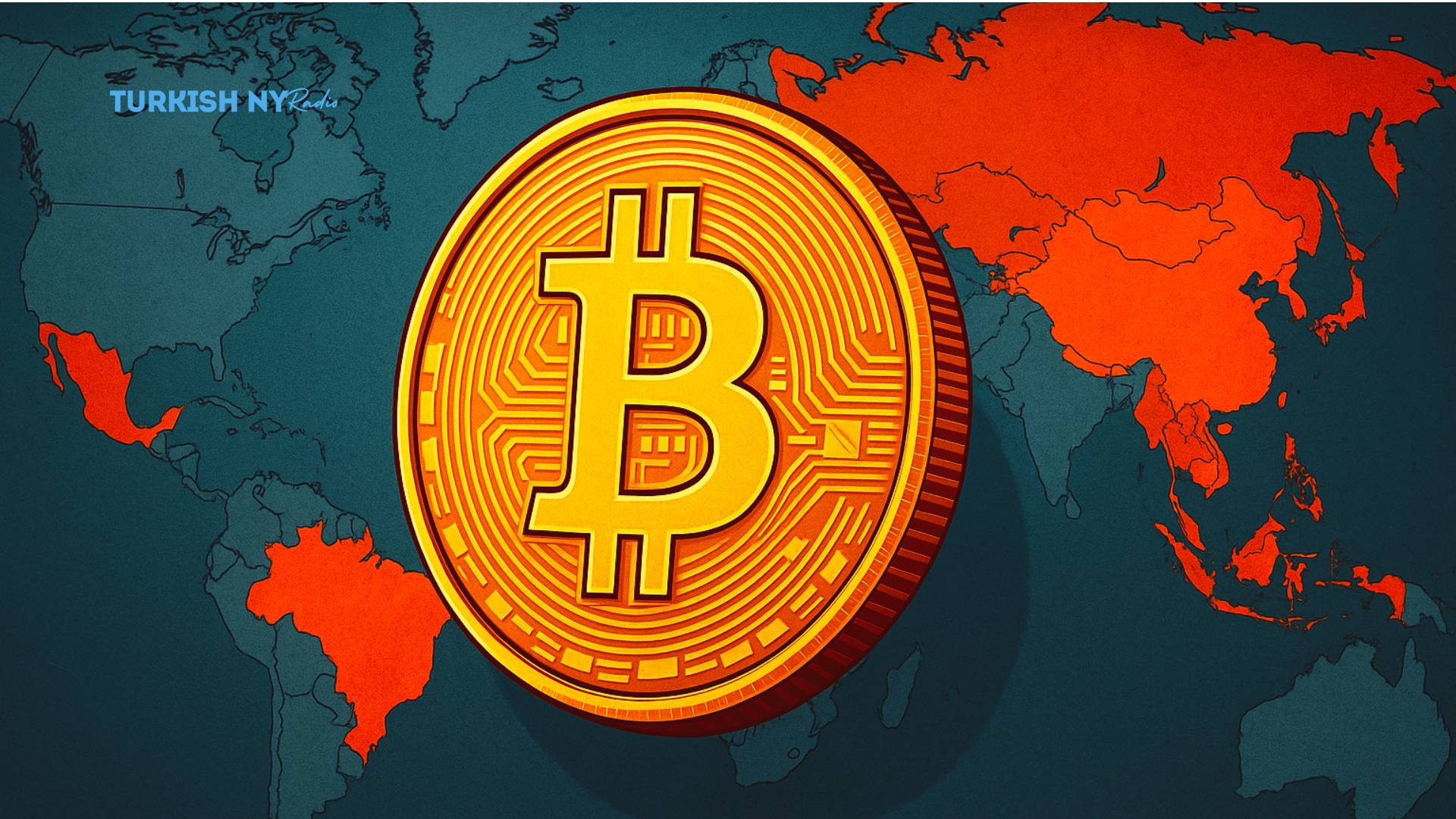
Interest in cryptocurrency is increasing across the BRICS. According to research, interest in Bitcoin, as measured by wallet software downloads and Google searches, has grown the greatest in China and Russia over the last decade. This demonstrates how digital money spreads beyond tech centers and into ordinary use.
Meanwhile, India leads the globe in cryptocurrency usage, despite strict rules. Brazil’s crypto imports have increased by 60.7 percent year-to-date, mostly due to the use of stablecoins for remittances and payments.
BRICS Payment Systems: Creating a Dollar-Free Path
BRICS nations are developing systems that do not use the US currency. BRICS Pay, a shared platform, allows for cross-border payments in local currencies without using SWIFT, lowering costs and delays.
Proposals include a BRICS “Unit”, a digital unit backed by a basket of currencies and gold, to facilitate commerce and minimize dependency on the dollar.
Crypto’s Impact on BRICS Trade Evolution
Crypto fits neatly into the BRICS trade plan. The organization works with institutions such as the New Development Bank and the Contingent Reserve Arrangement to redirect financial flows to local currencies. Efforts to strengthen the renminbi and other non-dollar currencies are ongoing.
During times of global turmoil, the BRICS countries’ cryptocurrency and stock markets exhibit significant ties. According to studies, amid shocks such as the pandemic, BRICS crypto adoption and stock indexes moved in lockstep, demonstrating interrelated investor behavior.
What drives BRICS cryptoc adoption?
Several significant variables influence BRICS crypto adoption throughout different countries. Rapid internet expansion, smartphone use, and financial innovation increase awareness and use of cryptocurrency.
Mobile payments in India have increased access to digital money. Bright regulatory movements in some countries, evident crackdowns in others, both lead people to peer-to-peer digital assets.
Risks, Regulations, and Risks to Monitor
This move has hazards. Regulatory ambiguity in certain BRICS countries breeds uncertainty and can encourage fraud. Stablecoins, known for their stability, may face regulation in Brazil in 2025 due to fears about abuse.
Authorities in China continue to limit cryptocurrency platforms. Russia accepts cryptocurrency for cross-border trading but prohibits it domestically. It’s important to properly define the dangers, including volatility, legal uncertainty, and smart contract fraud.
This post is intended for informative purposes only and does not represent financial advice. Readers should perform their own research prior to making any investing decisions.
What Analysts are Saying
Industry experts point to increased institutional interest. According to one research, Bitcoin has a 60% probability of reaching $120,000 if the BRICS nations continue to encourage BRICS crypto adoption, but regulatory reaction may drive prices down.
Others say that dollar-backed stablecoins and blockchain infrastructure outstrip BRICS’ digital currency ambitions, maintaining the dollar’s dominance.
What The Future Might Look Like
The BRICS crypto adoption might change the global financial landscape. A multipolar financial network might be built using local currency payment mechanisms, digital trade tokens, and crypto infrastructure.
However, success is dependent on clear rules, confidence in systems, and secure design. The race is on: whether BRICS will lead the future digital money age or fall behind global crypto networks.
Turkey’s Increasing Role in the BRICS Crypto Conversation
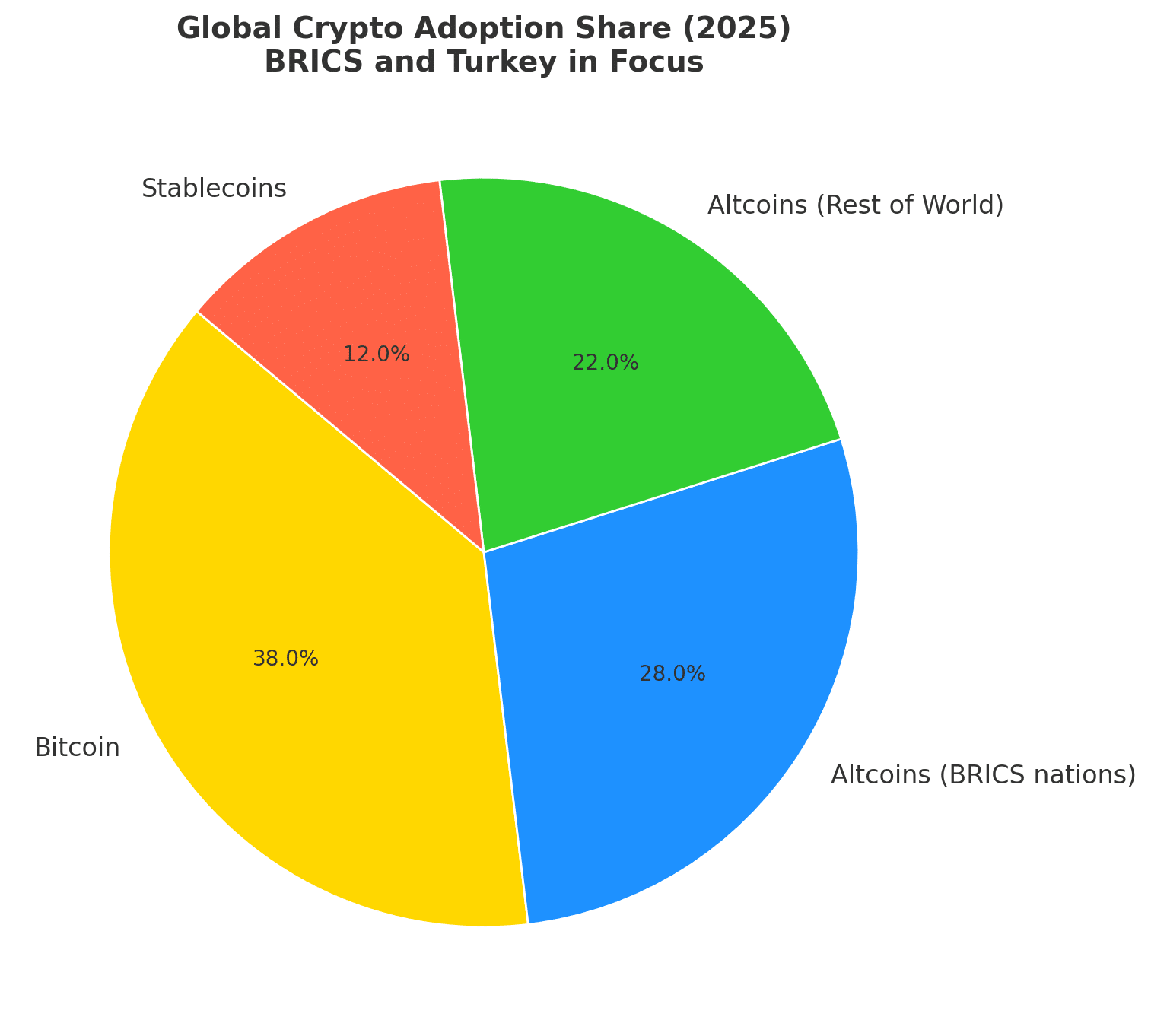
Turkey, while not being a BRICS member, has emerged as an important observer in the bloc’s financial discussions. Turkey is establishing itself as a bridge between BRICS and Europe, with one of the highest cryptocurrency acceptance rates in the world, fueled by inflation fears and a youthful, tech-savvy populace.
If Turkey formally strengthens relations with BRICS projects such as BRICS Pay or digital currency collaboration, it might boost cross-border commerce and make Istanbul a regional crypto powerhouse.
Analysts believe Turkey’s possible participation indicates both economic need and strategic ambition, implying that BRICS crypto adoption may spread well beyond its five core nations.
Conclusion: A New Chapter in Global Finance.
BRICS crypto adoption reflects the changing power dynamics in finance. Crypto is more than just speculation; it promotes commerce, inclusivity, and sovereignty.
As these rising economies use blockchain and cryptocurrency tools, they contribute to shift global finance toward common infrastructure and digital payments. The outcome will influence how money moves across borders in the years ahead.


Glossary of Terms
BRICS: A group of emerging economies: Brazil, Russia, India, China, South Africa.
Crypto adoption: Use of cryptocurrencies by individuals and institutions.
BRICS Pay: A decentralized cross-border payment system using local currencies.
Stablecoin: A cryptocurrency pegged to stable assets like fiat or gold.
NDB / CRA: New Development Bank and Contingent Reserve Arrangement, BRICS financial tools.
De-dollarization: Reducing reliance on U.S. dollar in trade and finance.
Cross-border payments: Transactions between countries often face currency and fee issues.
FAQs for BRICS crypto adoption
1. What exactly is “BRICS crypto adoption”?
It refers to increasing use and integration of cryptocurrencies among BRICS nations—in banking, trade, and everyday use.
2. How does BRICS Pay affect trade?
It allows cheaper and faster payments between BRICS members in local currencies, bypassing dollar-based systems like SWIFT.
3. Are BRICS countries creating their own digital currency?
They are exploring options like a shared digital token or “Unit” backed by their currencies and gold, but none is in official use yet.
4. What risks come with crypto in BRICS markets?
Volatility, weak regulation, legal uncertainty, and fraud risks demand cautious use and research.
5. Can crypto in BRICS challenge the U.S. dollar globally?
Potentially. If BRICS builds trusted local-currency infrastructure, it could reduce dollar reliance—but global adoption depends on trust, clarity, and stability.